News
Asylum system buckles as appeals backlog grows and ‘first safe country’ principle ignored
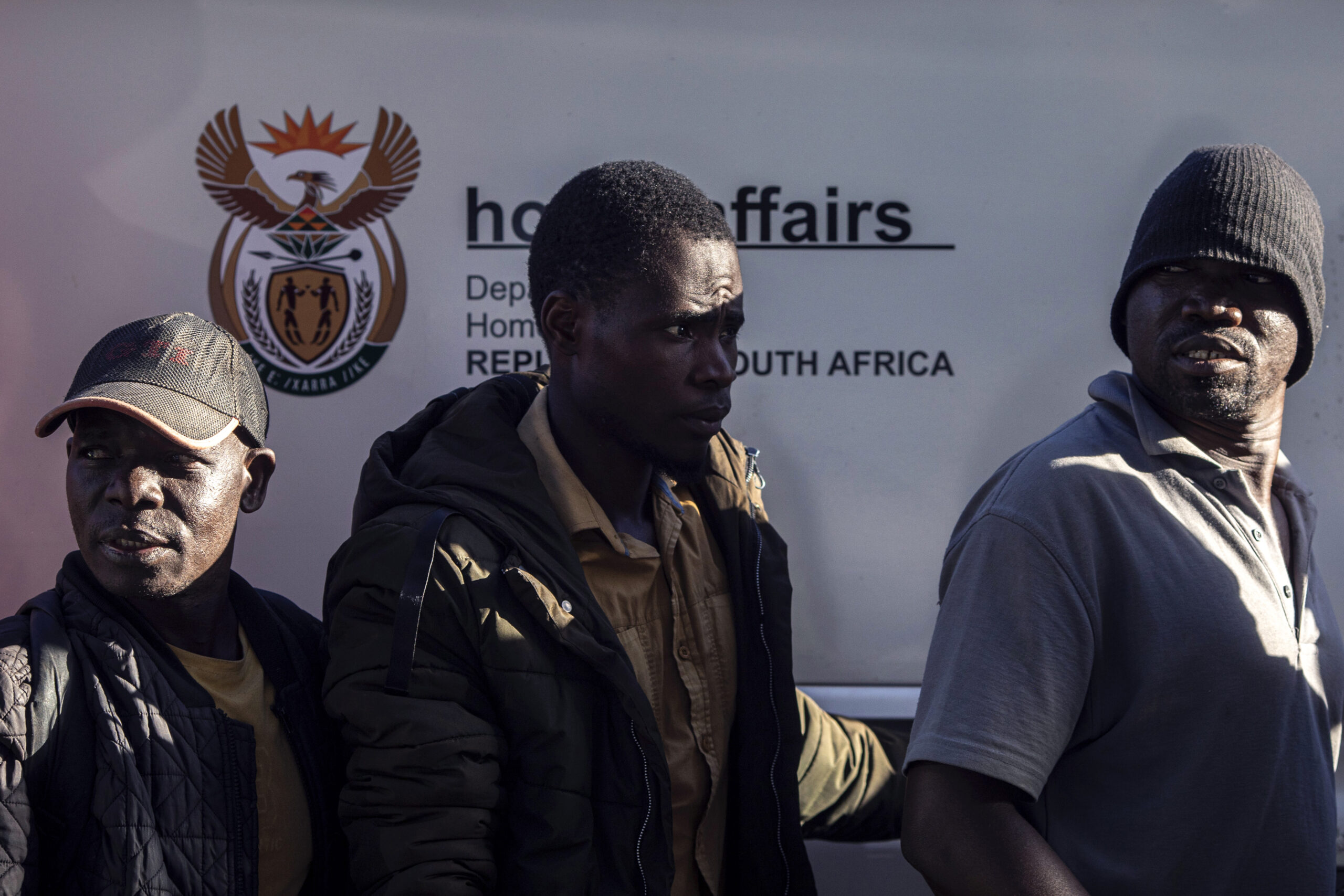
South Africa’s asylum system is under renewed strain as a surge of appeals and applications from countries that do not border the country have stretched decision-making and enforcement capacity, parliament heard.
Who is applying and why it matters
The department of home affairs reported that Ethiopia, the Democratic Republic of the Congo (DRC), Somalia and Bangladesh remained the top countries of origin for new asylum applicants last year. None of those four countries share a land border with South Africa, which means applicants travel through other states before arriving here.
In a previous briefing to parliament, Lawyers for Human Rights noted that the “first safe country” principle commonly applied in Europe and North America to deter asylum shopping is not explicitly in the 1951 Refugee Convention but is used in those regions. The organisation said the principle is also common in Africa, with South Africa often becoming the final destination for migrants who bypass other states.
Parliament was updated on capacity and backlog
Deputy Minister Njabulo Nzuza and department director-general Livhuwani Makhode presented the home affairs fourth quarter performance and expenditure report for 2025-26 to the portfolio committee on home affairs.
The Refugee Appeals Authority of South Africa (Raasa) also briefed the committee on the scale of the asylum backlog and measures under way to address it.
Backlog figures and operational pressures
Raasa chair advocate Zilpha Raphesu told the committee that the authority’s surge initiative had finalised 19,064 cases since it began, through appeal decisions, cancellations and no-show determinations. Despite that work, the backlog remains substantial: 161,000 pending appeals, made up of 70,976 active cases and 90,024 inactive cases.
Raphesu said 2,733 judicial review applications had further delayed finalisation of cases and deportation processes. She also reported that many asylum seekers had entered through the Beitbridge border post and often provided unreliable contact details; inactive cases included appellants who could no longer be traced or had abandoned their appeals.
Legal challenges and case prioritisation
The department’s acting director-general for immigration services, Mandla Madumisa, outlined the legal framework and recent court judgments affecting asylum administration and conceded that litigation and constitutional challenges continued to hamper efficiency.
Raphesu said the authority had developed a strategy to focus on what she described as “low-hanging fruit” cases involving Ethiopian, Bangladeshi and Pakistani nationals, many of whom avoided hearings or failed to appear. By contrast, appeals involving DRC nationals often required more nuanced consideration because they contained genuine protection claims alongside opportunistic elements.
Political scrutiny and calls for coordination
ActionSA’s Lerato Ngobeni questioned whether the figures reflected people fleeing persecution or administrative churn within what she called a “broken asylum system”, and noted concerns about the demographics of asylum seekers, including that many were single men arriving without spouses or children.
Committee chair Mosa Chabane emphasised the need for continued engagement between home affairs, Raasa, the Border Management Authority and the Cross Border Road Transport Agency to strengthen immigration enforcement, address corruption and improve border governance.
What’s next
The committee heard a mix of operational figures, legal constraints and proposed prioritisation measures. The information presented shows a system facing both high volumes of appeals from non-neighbouring countries and procedural delays linked to litigation and tracing challenges.
Follow Joburg ETC on Facebook, Twitter, TikTok and Instagram
For more News in Johannesburg, visit joburgetc.com
Source: citizen.co.za