News
US-Iran War and Strait of Hormuz Crisis Blamed for Trump’s Midterm Defeat
The US-Iran war and Strait of Hormuz shipping disruptions have been linked to Republican losses in the midterms, heightening pressure on President Trump.
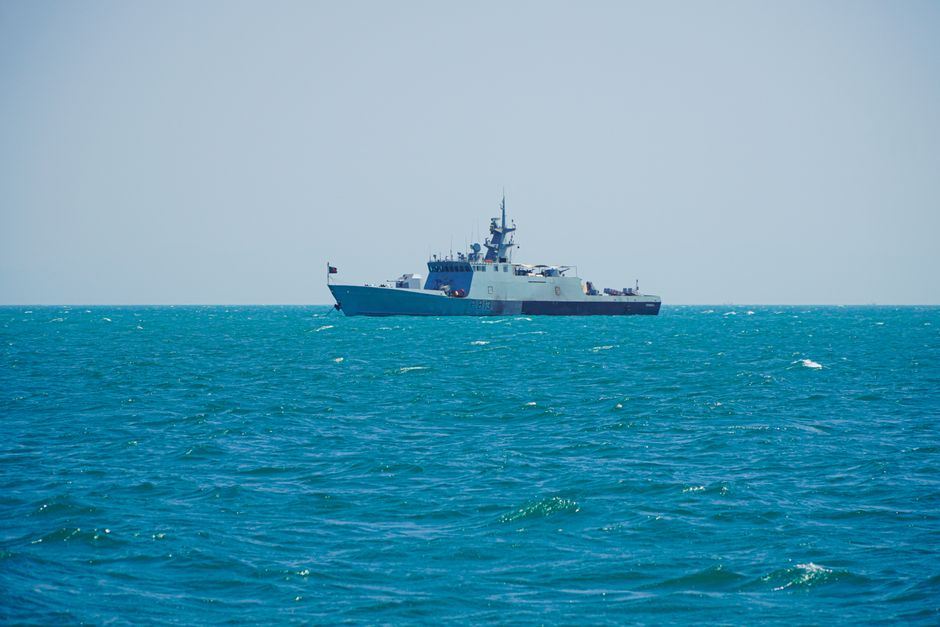
Republican Losses Intensified by Global Crisis
The recent US-Iran war and its fallout in the Strait of Hormuz have been cited as pivotal factors in the defeat of President Donald Trump’s Republican Party in the midterm elections. Iran’s ambassador to South Africa, Mansour Shakib Mehr, asserted that the consequences of Trump’s actions have not only reshaped his political future, but also strained the global economy and disrupted major trade routes.
The Strait of Hormuz: A Strategic Choke Point
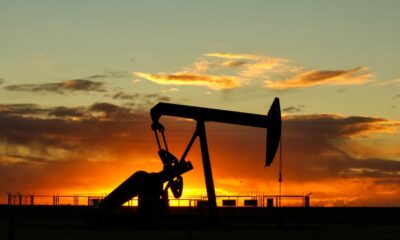
The Strait of Hormuz holds immense importance as a passageway for global oil and gas shipments. Any restriction in this route can cause severe disruptions worldwide. During the conflict, Iran leveraged its geographic advantage by sharply restricting passage through the waterway, despite US demands to keep it open. Shipping traffic fell steeply from an average of 85 vessels per day to just seven, marking a significant blow to international commerce and energy distribution.
Economic Ripple Effects and Political Fallout
The resulting turmoil sent shockwaves through global energy markets, contributing to spiking fuel prices and heightened economic instability. With the cost of living increasing and supply chains fraying, American voters grew more dissatisfied. This environment played a direct role in Republican losses during the midterms. Even Trump acknowledged that the ongoing conflict factored into the party’s electoral setbacks, though he continued to defend his controversial decision to initiate military action against Iran.
Iran’s Firm Position
While Washington now faces mounting pressure to seek a diplomatic resolution, Iran has made its stance clear. Ambassador Mehr stated that the United States must abandon what he described as policies of “bullying and intimidation” and fulfill commitments laid out in the Islamabad Memorandum of Understanding. He stressed:
“Lifting the siege, ending sanctions, permanently ending the war, and fulfilling all other previously agreed-upon items must be executed. We will not accept any temporary solutions.”
For Iranian officials, normal shipping through the Strait will only resume as part of a broader agreement addressing their core security and economic concerns.
Implications for Global Trade and Security
The disruption of shipping in the Strait of Hormuz highlights how geopolitical conflicts can quickly escalate into crises affecting economies worldwide. With oil and gas shipments curtailed, businesses and consumers alike have been forced to adapt to shortages and price increases. The situation has also underlined the complex relationship between military conflict and domestic politics, as seen in the impact on US electoral outcomes.
Looking Ahead
As the Republican Party adapts to its losses in Congress, President Trump faces renewed scrutiny over his handling of the conflict. Observers note that the enduring standoff and associated economic strain have become a defining element of his administration’s legacy. For Iran, a resolution remains conditional, hinging on broader concessions and security guarantees.
The aftermath of the US-Iran confrontation and the ongoing shipping crisis serve as a clear reminder of the far-reaching consequences of international tensionsnot only for policymakers and diplomats, but for everyday people faced with the repercussions of global instability.
Follow Joburg ETC on Facebook, Twitter, TikTok and Instagram
For more News in Johannesburg, visit joburgetc.com
Source: iol.co.za