News
Malema accuses Speaker Didiza of conflict over impeachment interdict handling
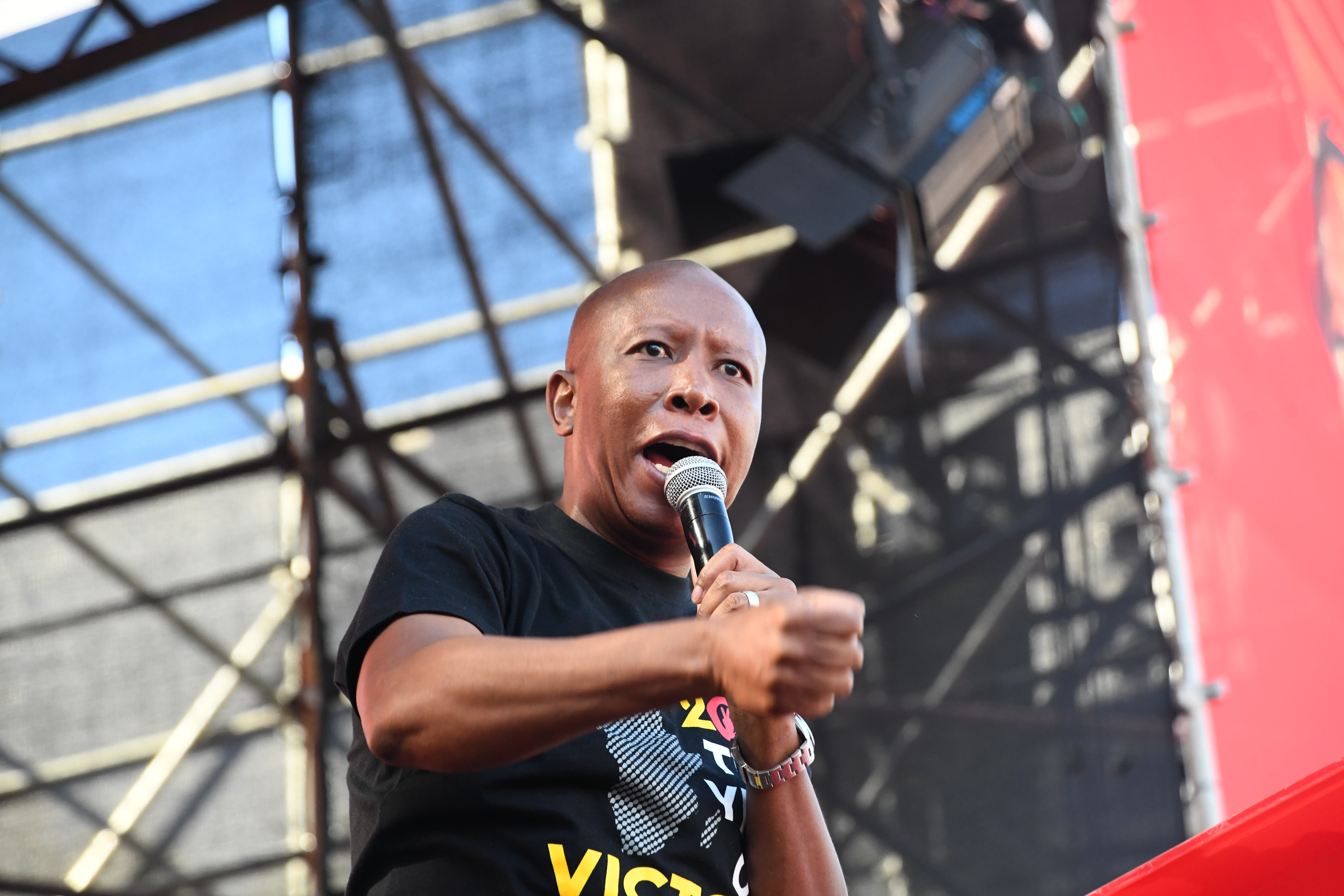
National Assembly Speaker Thoko Didiza has come under fire from the EFF and other parties over her handling of an interdict relating to the parliamentary Impeachment Committee, with EFF leader Julius Malema saying the Speaker is “highly conflicted” and calling for oversight of the process to be shifted to the Office of the Deputy Speaker.
EFF moves to shift oversight
Speaking on the sidelines of an Impeachment Committee meeting on Wednesday, Malema said the EFF will put a motion in Parliament so that the Deputy Speaker, Dr Annelie Lotriet, oversees the committee. He told reporters the party felt the Speaker had “abandoned” Parliament by choosing not to oppose President Cyril Ramaphosa’s interdict and instead filing an explanatory affidavit alongside the Impeachment Committee’s opposition papers.
“Our Speaker is highly conflicted, and that motion, we will sponsor it in Parliament, that the Deputy Speaker must be the one who oversees the work of the Impeachment Committee, because the Speaker really is conflicted.”
Why parties object
The EFF and other parties criticised Didiza for not opposing the President’s urgent interdict application. In a letter to the Speaker, the EFF demanded that “the National Assembly, under your leadership as Speaker, must oppose the President’s application” and warned that allowing the report to be challenged “without opposition by the institution that established the process would undermine the authority, integrity, and constitutional role of the National Assembly.”
Malema also criticised the Speaker’s choice of legal representatives, saying:
“You must oppose, but you cannot choose the lawyers that are going to oppose, because you voted against the panel report, and now, you go and assemble a team that must go and defend the panel report.”
Responses from across the floor
Parliament spokesperson Moloto Mothapo said the explanatory affidavit is believed to be consistent with the stance adopted by the Impeachment Committee and with the Speaker’s actions since the Constitutional Court judgment.
Other parties continued to take issue with Didiza’s decision. DA parliamentary leader George Michalakis said the Speaker’s reasoning “doesn’t hold water” and argued she should have acted to back Parliament. Dr John Hlophe of the uMkhonto weSizwe Party said the Speaker “totally misconstrued her role” and referenced legal advice he said recommended opposing the interdict.
ANC members defended Didiza’s approach. Cameron Dugmore said the Speaker indicated the committee was responsible for opposing the interdict, while Doris Mpapane said she believed the Speaker had her own legal opinion to follow and that the committee had chosen its route.
What the Speaker said
The Speaker described the purpose of the explanatory affidavit as assisting the court on aspects it must consider for a final determination, including “the stringent constitutional obligations on the National Assembly to proceed with and finalise the Section 89 proceedings.”
Next steps
Malema said the EFF will sponsor a parliamentary motion to move oversight of the Impeachment Committee to the Deputy Speaker, arguing this is necessary to prevent disruption to the process. The matter remains a point of contention within Parliament as parties weigh their next moves.
Follow Joburg ETC on Facebook, Twitter, TikTok and Instagram
For more News in Johannesburg, visit joburgetc.com
Source: iol.co.za