News
‘Why issue tenders to build schools?’ Mkhwanazi urges government to create jobs through public works
KwaZulu‑Natal police commissioner Lt Gen Nhlanhla Mkhwanazi urges government to curb tender outsourcing and hire unemployed youth for public infrastructure projects.

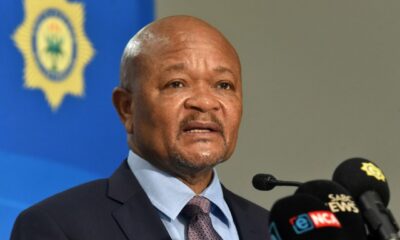
KwaZulu‑Natal police commissioner Lieutenant‑General Nhlanhla Mkhwanazi has urged the government to create jobs for unemployed youth by carrying out public infrastructure projects itself instead of outsourcing the work through tenders. He made the call while speaking at the Parliamentary Summit on Gangs and Violent Crime on Wednesday.
Questioning the use of tenders
Mkhwanazi, who also heads the National Organised Crime Task Team, questioned why the state continues to issue tenders for work such as building schools when unemployment remains high. He linked the practice of outsourcing to the spread of tender corruption.
“Today, we’re dealing with corruption in tenders, and we ask ourselves a question: with this high level of unemployment, why is the government issuing tenders for people to build a school?”
The source describes tender corruption as often involving manipulation of procurement processes, inflated prices, conflicts of interest and the awarding of contracts to politically connected individuals or companies, which diverts public funds from essential services and infrastructure projects.
Proposed roles for unemployed youth
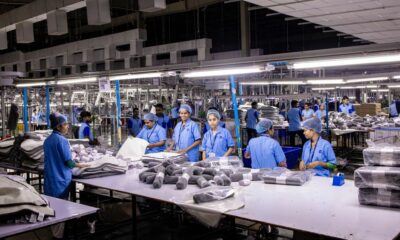
Mkhwanazi suggested the government could employ unemployed graduates to supervise construction projects and hire people without formal qualifications for other roles.
“There are kids who have done engineering. They can supervise the construction of a school. There are people who don’t have that education who can be employed by the government to mix the cement and pull those bricks up as artisans.”
He said this approach could be applied to the construction of schools, clinics, hospitals, police stations and road infrastructure, adding that some routine road work is already outsourced.
Linking unemployment to crime
Mkhwanazi warned that excessive outsourcing contributes to unemployment and leaves people without meaningful opportunities. He said this was a factor that needed to be considered in efforts to respond to gang violence and crime.
“And what then happens? It leaves people unemployed. And when people are unemployed, they sit and do nothing. And someone said, ‘An idle mind is the devil’s playground.’”
He called for a holistic, non‑partisan response to crime that addresses underlying conditions, saying the government must consider unemployment and lack of opportunities alongside law enforcement measures.
Official labour market figures cited
The article notes South Africa’s official unemployment rate rose to 33.6% in the second quarter of 2026. Statistics South Africa’s Quarterly Labour Force Survey showed the number of unemployed people increased by 345,000 to 8.5 million between April and June, while the number of employed people fell by 16,000 to 16.7 million. The labour force grew by 329,000 in the quarter, which pushed the official unemployment rate up by 0.9 percentage points from 32.7% in the first quarter.
The article also states South Africa’s highest recorded official unemployment rate was 35.3% in the fourth quarter of 2021, and that under a broader expanded definition unemployment rose above 46% during the pandemic‑affected period.
Next steps signalled by SAPS management
Mkhwanazi said SAPS management had taken note of the summit discussions and would engage with national head office on possible responses. He thanked the summit chairs and members for the engagement and said management would try to see what adjustments could be made in responding to the crisis.
Follow Joburg ETC on Facebook, Twitter, TikTok and Instagram
For more News in Johannesburg, visit joburgetc.com
Source: iol.co.za