News
Authorities blame motorists for fuelling illegal crayfish trade on KZN south coast
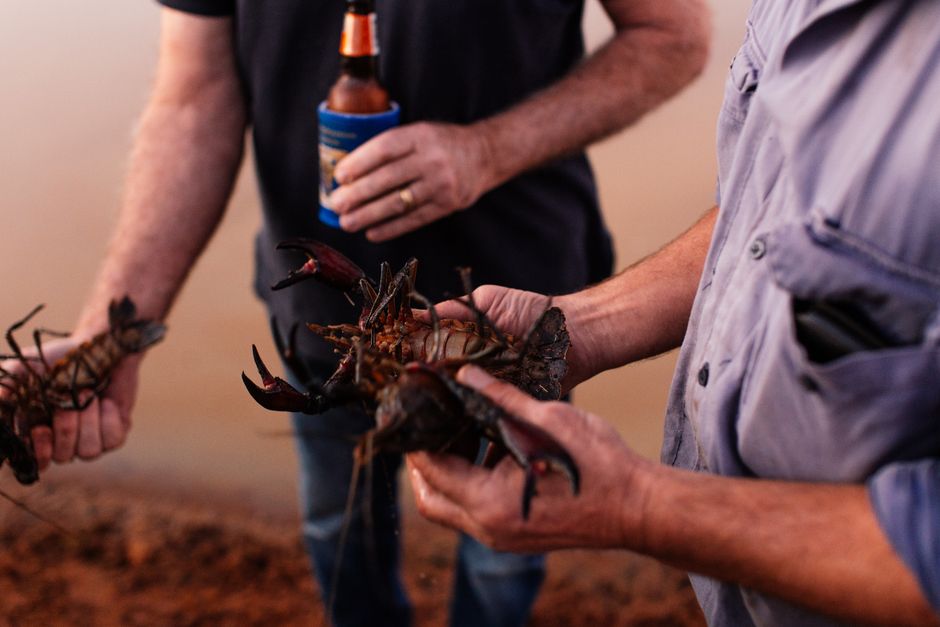
Authorities say the visible roadside trade in crayfish along the N2 near Hibberdene persists because motorists keep stopping to buy. The Coastal Marine Task Force (CMTF) describes the trade as part of a sophisticated, long-running network that law enforcement has repeatedly tried to disrupt.
A structured syndicate, not lone sellers
The CMTF told reporters the roadside sellers form only one element of a larger operation. “It is a structured, complex and well-managed syndicate with many different role players, including harvesters, sellers, storage and management,” a CMTF spokesman said.
Officials said the mixture of legally harvested crayfish sold under subsistence permits and illegally taken catch complicates enforcement. “Some of the crayfish are legally caught and sold under so-called ‘subsistence’ permits, while others are not, which makes apprehension and prosecution very difficult,” the spokesman said.
Danger to enforcement teams and motorists
The CMTF said previous operations to stop the trade have exposed law enforcement to serious risks. “There have been violent and dangerous situations and even a fatal shooting incident during law enforcement intervention,” the spokesman said. He added that when sellers see they are being targeted, they often abandon their catch and disappear into nearby settlements.
The location of the trade on the shoulder of a busy national highway increases the hazards. “The location of the selling, on the shoulder of an extremely busy national highway, makes apprehension very dangerous, with those being targeted often running across the highway, potentially endangering both their own lives and those of innocent motorists,” the spokesman said.
Arrests have limited impact
Authorities said arrests have had little long-term effect because those removed from the network are quickly replaced. “Those that have been apprehended show very little remorse for their actions and are quickly replaced within the system,” the CMTF said.
Partners in enforcement
The volunteer organisation said it works alongside multiple agencies in efforts to protect the coastline, including the Department of Forestry, Fisheries and the Environment, Ezemvelo KZN Wildlife, Durban Metro Police, eThekwini Municipality Coastal Aquatic Safety and Law Enforcement, Lifesaving South Africa and a network of informants along the KwaZulu-Natal coastline.
Consumer demand central to the problem
The CMTF emphasised that public buying behaviour plays a central role in sustaining the market. “One of the easiest ways to stop this market is for people to stop buying the crayfish and fish. If there were no buyers, then the market would not exist,” the organisation said.
While the Hibberdene offramp trade attracts attention because it is visible to passing travellers, the CMTF warned that illegal harvesting and sales are occurring elsewhere along the coast. “This matter receives so much attention due to its visibility, but there are many other individuals and groups plundering the coastline on a daily basis and selling their catches illegally, often behind closed doors, in suburbs or from motor vehicles,” the organisation said.
The CMTF said it remains committed to monitoring and disrupting illegal harvesting operations along the KwaZulu-Natal coast.
Follow Joburg ETC on Facebook, Twitter, TikTok and Instagram
For more News in Johannesburg, visit joburgetc.com
Source: iol.co.za