Business
Fuel tax relief is on the table, but South Africa faces an R80 billion gap
South Africa may eventually phase out fuel taxes, but replacing about R80 billion in lost revenue and funding the RAF remain major hurdles.
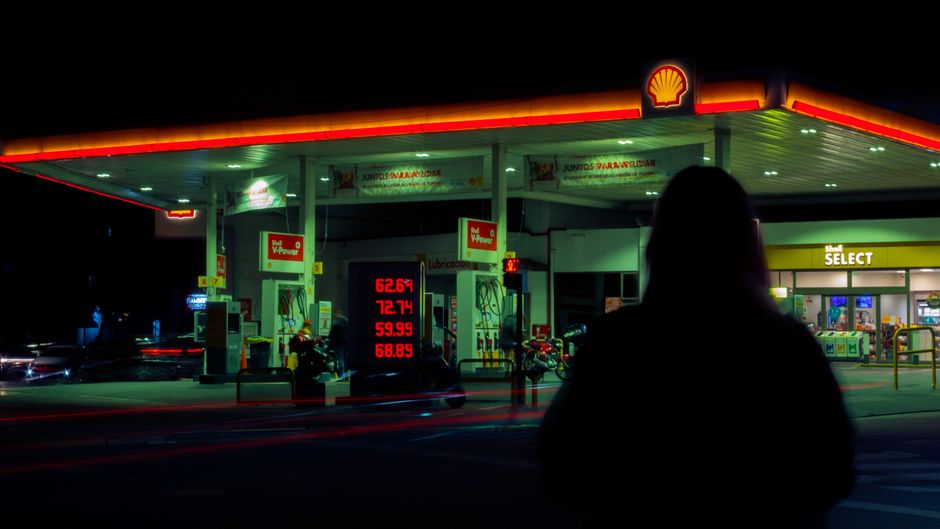
Godongwana said the government ultimately needed to consider removing the General Fuel Levy, but warned that doing so would create a substantial hole in the national budget. No timeline has been given for a permanent phase-out, meaning motorists should not expect fuel taxes to disappear in the near term.
Why fuel taxes are difficult to remove
The fuel levy is an important source of government income. It is collected on fuel sold to motorists and contributes to the funding of public services and government obligations. Removing it could lower petrol and diesel prices, but it would also leave the state needing to find another way to replace the lost revenue.
“We’ve got to find a way of phasing it out. But in doing so, we will be losing about R80 billion,” Godongwana said in a radio interview on 702.
He added that the question of how to close the gap would need to be addressed before the levy could be removed. That could involve finding alternative sources of revenue, reducing spending, or taking on additional borrowing. Each option would carry consequences for the government’s finances and for the wider economy.
The Road Accident Fund is part of the debate
Godongwana also raised the way in which the Road Accident Fund is financed. The RAF levy is included in the price of every litre of petrol and diesel and is used to support the fund’s role in compensating victims of road accidents.
“It’s R2 per litre. Just removing the Road Accident Fund, you’ll realise a major decrease in the price of fuel,” he said.
The current RAF levy is listed at R2.25 per litre for both petrol and diesel. The General Fuel Levy is R4.10 per litre for petrol and R3.93 per litre for diesel. Together, the two main levies add more than R6 to each litre of fuel.
That structure means that any discussion about cheaper fuel is also a discussion about how the RAF should be funded. Removing or changing the levy would lower the amount paid by motorists at the pump, but the money required by the fund would still need to come from somewhere else.
Temporary relief starts in November
The government has already announced a short-term reduction in the General Fuel Levy. From 4 November to 1 December, the levy will be reduced by R1.50 per litre for petrol and R3.00 per litre for diesel.
The reduction will then become smaller from 2 December to 5 January 2027. During that period, the relief will amount to R1.00 per litre for petrol and R1.50 per litre for diesel.
The measures provide temporary assistance rather than a permanent change to the fuel price structure. Their effect is also expected to be partly cancelled out by higher underlying fuel prices. The latest Central Energy Fund data cited in the source points to increases of R1.16 per litre for petrol and R1.40 per litre for diesel.
In practical terms, that means the levy reduction may not translate into an equally large saving at the pump. The final monthly fuel price also reflects other elements of the pricing system, so a tax reduction can be absorbed partly or fully by changes elsewhere in the formula.
Fuel price system is under review
A separate review could affect how fuel prices are calculated. Mineral and Petroleum Resources Minister Gwede Mantashe said his department was reviewing the Regulatory Accounting System, which is used to determine margins included in the fuel price structure.
The review is expected to be completed by March 2027. It is separate from the possible phase-out of the General Fuel Levy, but it could influence the way some components of the fuel price are determined.
For motorists, the distinction is important. A review of margins and pricing rules is not the same as the removal of a tax. The former examines how costs and margins are calculated, while the latter would directly remove a source of government revenue.
Economists warn of wider fiscal risks
Economists have cautioned that fuel tax cuts could place significant pressure on the public finances. Lower taxes may offer immediate relief to households and businesses, particularly when petrol and diesel prices are high, but the state would still have to fund existing responsibilities.
Hannah Marais, Southern Africa chief economist at Deloitte Africa, said fuel tax relief would probably require more borrowing or spending cuts at a time when South Africa needed to protect fiscal credibility and maintain sustainable public finances.
“Such relief would likely require additional borrowing or spending cuts somewhere, at a time when preserving fiscal credibility and maintaining sustainable public finances remains particularly important for South Africa,” Marais said.
Additional borrowing can increase the pressure on government finances, while spending cuts can affect services and programmes. Neither route removes the underlying cost of replacing the revenue previously collected through fuel taxes.
Sanisha Packirisamy, group economist at Momentum, warned that borrowing to absorb higher fuel prices could push up government bond yields and weaken the rand. She also said that cutting spending elsewhere could create its own economic and social costs.
“Politically, withholding relief is difficult to defend to strapped consumers, yet repeated extensions create an unrealistic expectation that government will absorb every external energy shock,” Packirisamy said.
Electric vehicles add a long-term challenge
The government may also face a structural problem if electric vehicle sales grow significantly. Electric vehicles do not use petrol or diesel and therefore are not subject to the fuel taxes collected from conventional motorists.
As more vehicles move away from liquid fuels, revenue from fuel levies could decline even without a formal decision to remove them. That creates a longer-term need to consider how transport-related revenue should be collected and how road and accident-related obligations should be financed.
For now, however, the immediate issue is the cost of replacing the revenue attached to existing fuel taxes. The temporary reductions announced for the coming months offer limited relief, but the broader question of whether South Africa can permanently remove the levies remains unresolved.
Until an alternative source of funding is identified, the government’s stated ambition to phase out fuel taxes will remain a long-term possibility rather than an imminent change for motorists.
Follow Joburg ETC on Facebook, Twitter, TikTok and Instagram
For more News in Johannesburg, visit joburgetc.com
Source: iol.co.za