News
What happens when an unidentified body is found in South Africa?
A step‑by‑step look at police, forensic and administrative procedures used in South Africa when a body cannot immediately be identified.
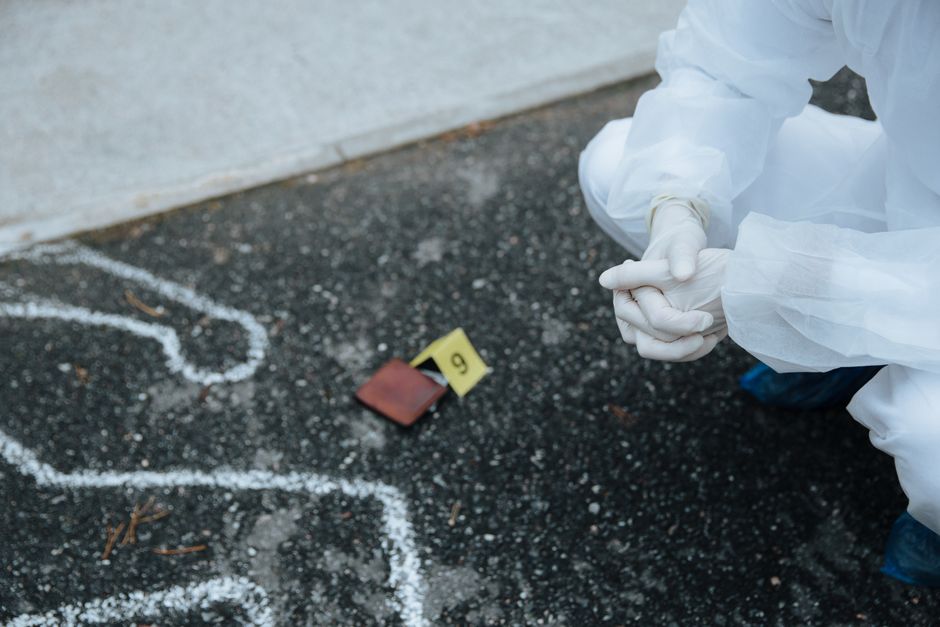
When police find a body and the identity is unknown, a set of investigative, forensic and administrative steps begin rather than the matter ending at the mortuary. Recent discoveries in the Kempton Park area, where several mostly half‑naked women have been found and only three identified at the time of publishing, underline why those procedures matter.
Securing the scene and opening an investigation
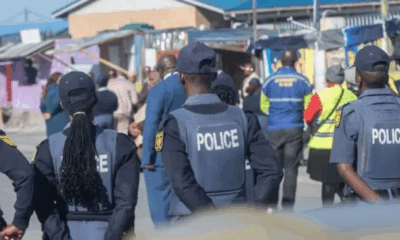
The first requirement is to treat the discovery as a matter for investigation, especially if the circumstances suggest a non‑natural death. The Inquests Act requires a police officer who has reason to believe a person died from other than natural causes to investigate or cause an investigation. In practice, police secure the scene, preserve evidence and gather information that could help establish who the deceased was and how they died. The Act also allows for examination of the body by a medical practitioner.
Forensic pathology and mortuary procedures
After removal from the scene, the deceased is admitted into the forensic pathology system. There, examinations aim to establish cause and circumstances of death and to gather identifying information. Identification is not always immediate: bodies sometimes arrive without documents or with conditions such as decomposition or injuries that make identification more difficult.
Fingerprints, digital systems and the role of DNA
Fingerprints are routinely collected from identified and unidentified bodies at Forensic Pathology Service mortuaries and captured on an SAPS 192 form for submission through SAPS and Home Affairs channels. Where fingerprints are poorly preserved or unavailable, the SAPS Victim Identification Centre can assist.
Some provinces have introduced digital fingerprint systems that use biometric information alongside databases from Home Affairs, SAPS and other sources to improve identification of unclaimed and unidentified bodies.
If fingerprints fail to establish identity, DNA may be used. Samples from the body can be compared with DNA from relatives of missing people or with entries in SAPS’s National Forensic DNA Database, which includes a missing persons/unidentified index. The source notes that DNA identification can take time and that delays in DNA sample processing have contributed to backlogs of unclaimed and unidentified bodies.
Missing‑person reports and public appeals
Investigators also check missing‑person records and may publish photographs or information to establish identity. SAPS’s Bureau for Missing Persons maintains information on missing people and unidentified bodies and provides investigative support in such cases. Reporting a person missing promptly is important:
“SAPS says there is no waiting period before a missing person can be reported.”
Families are advised to supply a recent photograph, details about last known whereabouts and clothing, and to complete a SAPS 55(A) form.
Unidentified versus unclaimed and continuing investigations
The article draws a distinction between an unidentified person, whose identity has not been established, and an unclaimed body, where the identity may be known but relatives have not come forward or cannot be located. Parliamentary briefings have indicated that many bodies classified as unclaimed were in fact identifiable but simply uncollected by relatives.
Finding a body and identifying the person are separate from determining whether a crime occurred. If the death is suspected to be other than natural, the matter remains subject to investigation under the Inquests Act or through a criminal docket and detective work when a case is registered.
Why identification can be slow
There is no single method that works for every case. Investigators may combine fingerprints, DNA, photographs, physical characteristics, personal effects, missing‑person records and public information. The condition of the body and processing delays including in DNA testing can slow identification. The Department of Health and parliamentary discussions have highlighted these challenges, including difficulties identifying foreign nationals.
What identification means for families
Beyond administrative closure, identification matters to families because it can provide answers about a missing loved one and allow remains to be handled and buried according to family wishes and legal processes. The forensic and policing systems aim to establish who the deceased was, what happened to them and, where possible, to connect them with their relatives.
Follow Joburg ETC on Facebook, Twitter, TikTok and Instagram
For more News in Johannesburg, visit joburgetc.com
Source: iol.co.za