News
What is 764? Inside the online network now linked to South Africa
A 16-year-old in Malmesbury was arrested after US authorities linked him to 764, an online network accused of grooming children into abuse and self-harm.
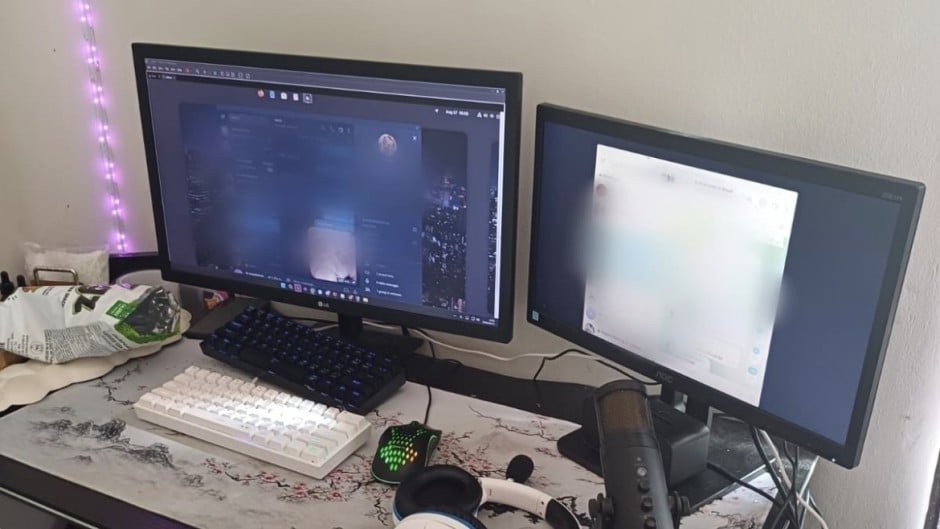
South African police this week arrested a 16-year-old in Malmesbury after US authorities alerted them to his alleged involvement in an online network known as “764”. The teenager faces 15 charges, including sexual grooming of a child, creating and distributing child sexual abuse material, and cruelty to animals, the National Prosecuting Authority said.
How the arrest came about
National police spokesperson Lieutenant-Colonel Amanda van Wyk said the arrest followed intelligence passed to South African authorities by the FBI, the US embassy in Pretoria and the National Centre for Missing and Exploited Children. “The intelligence indicated that a target, suspected of being linked to violent online networks commonly referred to as ‘764’, was believed to be located in SA,” she said.
The boy was arrested at a house in an upmarket golf estate in Malmesbury and was “caught in the act”, Van Wyk said. Magistrate Anthony McKenzie later ordered that the minor be referred to Valkenberg Psychiatric Hospital for a mental evaluation following a district surgeon’s recommendation. National Prosecuting Authority spokesperson Eric Ntabazalila said the court had endorsed the doctor’s finding.
Charges and court process
The accused first faced 11 counts; four more charges were added, bringing the total to 15. The minor appeared in the Malmesbury Magistrate’s Court and the charge sheet and court orders were sealed to protect the accused, complainants and family. His case was postponed for a formal bail application.
What 764 is alleged to be
Independent analyst Dr Dale McKinley told IOL that 764 was started in 2020 by Bradley Cadenhead, who ran the network on Discord and named it after the first three digits of his postal code. McKinley said Cadenhead targeted children who were “isolated, vulnerable and searching for friendship or acceptance online.”
According to IOL’s reporting, members of 764 befriend vulnerable children on platforms such as Discord, Telegram and Roblox, then coerce them into producing sexually explicit material and performing acts of self-harm or violence. Those materials are used to blackmail victims and traded within the network as proof of coercion.
International investigations and cases
The FBI has classified people linked to 764 as “nihilistic violent extremists” and said it was investigating more than 350 people in the US, with all 56 of its field offices involved. The network has been connected to cases in several countries, including the US, Sweden and Australia, in which alleged members coerced children into self-harm, sexual acts and violence.
IOL related the death of 13-year-old Jay Taylor in Washington, who was pressured in a 764-linked chat and later took his own life. Jay’s parents told ABC News that a user called White Tiger led the group that targeted him. Jay’s parents have sued Discord, alleging the platform provided access to children; the claims have not been tested in court.
Methods and harms described
Reporting for IOL described practices inside the network such as “cut signing”where children are persuaded to carve an abuser’s username into their skin and photograph it for trade within the group. Anti-crime activist Yusuf Abramjee said members build relationships with children on social media, gaming apps and chat servers before coercing them into explicit content and using it to blackmail victims into escalating harm.
Psychologist Laken Folster told IOL that children drawn into networks like 764 are often already experiencing bullying, abuse, mental health difficulties or social isolation. She said these vulnerabilities are aggravated in South Africa by “inequality and community violence and online bullying, and limited access to child and adolescent mental health care.”
Warnings for parents and communities
Folster said one of the strongest protections for a child is having an adult at home they trust enough to speak to. Abramjee advised parents to watch for signs such as “sudden secrecy around devices, unexplained online accounts, changes in behaviour, withdrawal from family or friends.” He cautioned against simply confiscating devices without understanding the situation, because that could remove access to evidence or increase a child’s isolation.
McKinley urged greater attention to young people’s needs and warned that detecting isolation and strange behaviour “takes resources and it takes time and commitment.”
Help resources
The IOL story noted that the SA Depression and Anxiety Group can be contacted on 0800-567-567 for support.
Follow Joburg ETC on Facebook, Twitter, TikTok and Instagram
For more News in Johannesburg, visit joburgetc.com
Source: iol.co.za