News
The truth about foreign learners in South African schools, according to the DBE
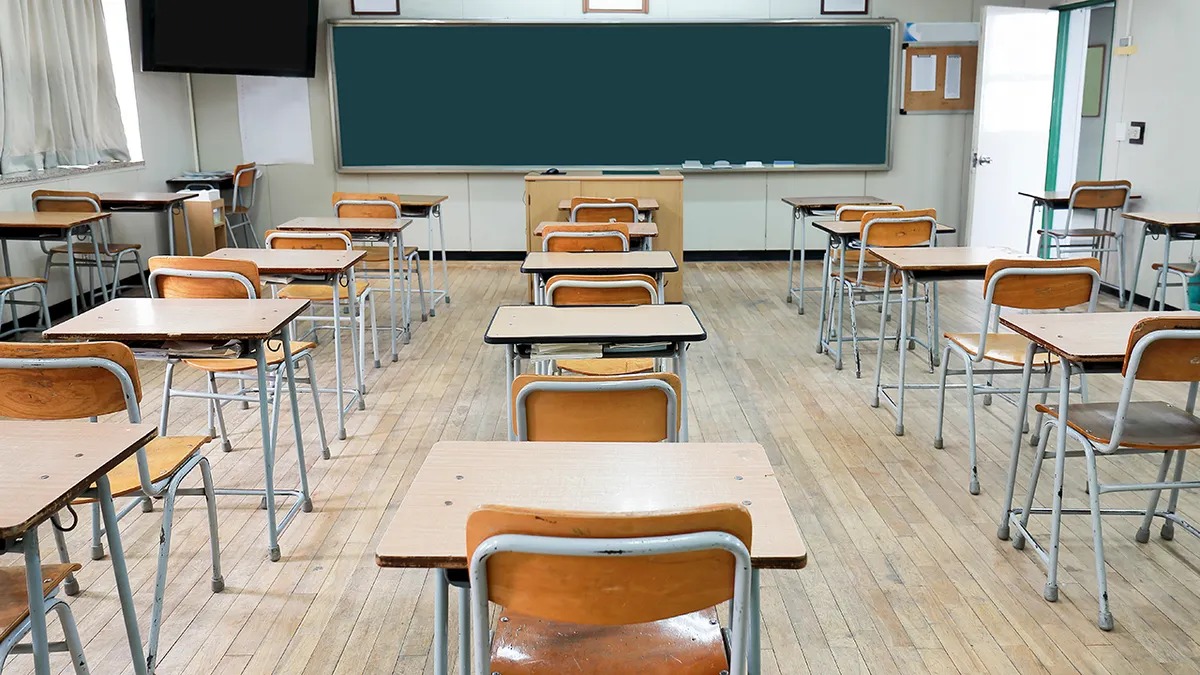
If you listened to the protests outside some public schools at the start of the 2026 academic year, you might believe South African children were being pushed out of classrooms by foreign nationals. It is a powerful and emotional claim, especially for parents scrambling to find space for their children. But according to the Department of Basic Education, it is also wrong.
The department has moved to publicly shut down what it calls growing misinformation about who is really sitting in South Africa’s classrooms and why school placements have become such a flashpoint.
What the numbers actually show
The DBE says foreign learners make up just 1.8 percent of pupils in public schools. In real terms, that means more than 98 percent of learners are South African citizens. Education Minister Siviwe Gwarube confirmed that around 253,600 foreign national children were enrolled in schools in 2025, a figure that includes children of diplomats, ambassadors and staff working for international organisations.
These statistics matter because they challenge a narrative that has gained traction online and at school gates. Claims that foreign learners are overwhelming the system are, according to the department, statistically incorrect and deeply misleading.
Why schools feel full anyway
For many families, especially in fast-growing urban areas, overcrowded classrooms are not an abstract issue. Parents are angry, anxious and exhausted by waiting lists. The DBE says it understands that frustration, but warns that it is being directed at the wrong target.
The real pressure points are long-standing. An infrastructure backlog, limited budgets for new school buildings, and funding constraints that affect how many teachers can be appointed all play a role. Even if every foreign learner were removed from the system, the department says these structural problems would still exist.
In short, the crisis is about capacity, not nationality.
What the law says about who gets admitted
South Africa’s Constitution guarantees the right to basic education to every child in the country. The DBE and the minister have reiterated that this right applies regardless of citizenship, immigration status, or whether a child has identity documents.
Courts have repeatedly upheld this interpretation. Schools are not immigration checkpoints, and principals are not tasked with policing borders. That responsibility sits with national immigration authorities, not education officials.
The social media reaction and rising tensions
Online, the debate has been fierce. Some civil society groups have condemned protests that target undocumented children, warning that they fuel xenophobia and put vulnerable learners at risk. Others argue that government communication has been too slow, allowing anger to boil over.
The DBE has taken a firmer tone this time, calling on the public to reject fearmongering and scapegoating. Its message is clear. Blaming a small minority of foreign learners for a broken system may be emotionally satisfying, but it does nothing to fix the real problems.
A bigger conversation South Africa needs to have
This moment has exposed something deeper than a school admissions dispute. It reflects how economic pressure, migration anxiety and service delivery failures collide at the local level. Schools become the battleground because they are visible and personal.
If South Africa wants lasting solutions, the focus will need to shift back to infrastructure investment, long-term planning and honest public dialogue grounded in facts. The DBE’s intervention may not end the anger overnight, but it does reset the conversation around what is actually happening in classrooms across the country.
Follow Joburg ETC on Facebook, Twitter, TikT
For more News in Johannesburg, visit joburgetc.com
Source: The Citizen
Featured Image: Fox News