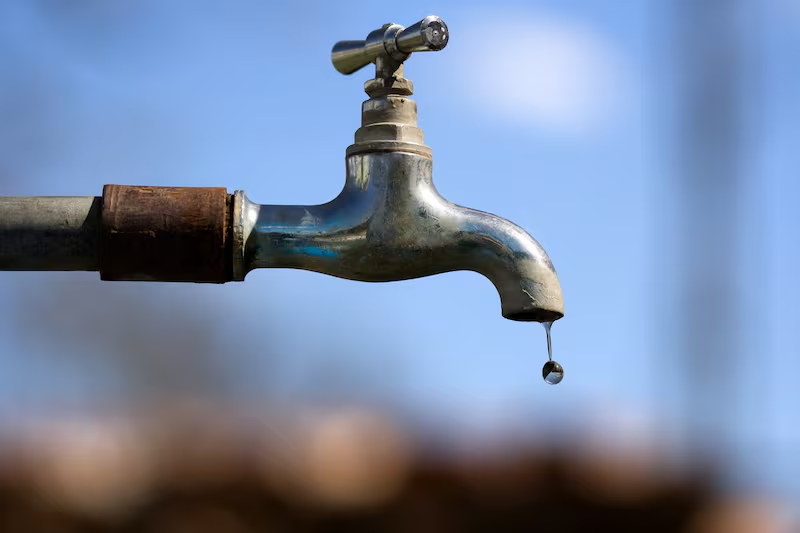
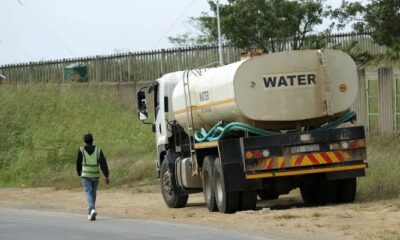
The strike is over, but will Johannesburg’s taps run again?
For many Joburg residents, the announcement landed with cautious hope.
The strike at Johannesburg Water is officially over.
But after days in some areas, weeks, without reliable water, the real question isn’t whether workers are back at their desks.
It’s whether water will actually return to the taps.
Workers return, city apologises
Johannesburg Water confirmed that the unprotected strike led by workers affiliated with the South African Municipal Workers Union (SAMWU) has come to an end.
The protest, which began on Friday, 6 February 2026, centred on unpaid bonuses. It unfolded at a time when the city is already battling a widespread and deepening water crisis.
Spokesperson Nombuso Mbuza said employees have agreed to resume normal operations with immediate effect following what she described as constructive engagement.
The entity also apologised for the inconvenience caused.
That apology, however, lands in a city where inconvenience has become routine.
Living like it’s Day Zero
Across Johannesburg, residents say they’re “effectively living under Day Zero conditions” even though officials insist the system hasn’t collapsed.
In Kensington, Emmarentia, Meldene and several other suburbs supplied by the Hursthill, Alexander Park and Berea reservoirs, prolonged outages have stretched for days. In some cases, communities report being without water for nearly 20 days.
In Midrand, the balancing act between the President Park, Grand Central and Eland reservoirs has left supply unstable and unpredictable.
The language from civil society group WaterCAN has been blunt: this crisis is driven by infrastructure failure, poor planning and weak accountability.
And it is no less severe because it hasn’t been formally declared a disaster.
Tankers, tension and tired residents
If you want to understand the human cost of this crisis, you don’t need a technical report.
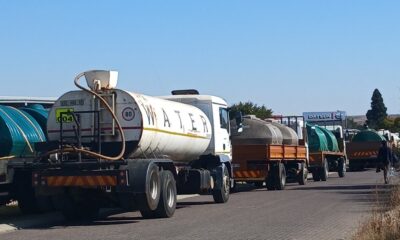
Just visit a water tanker queue.
Residents line up with buckets, wheelie bins and plastic drums. Pensioners wait in the sun. Parents juggle school runs and water runs. And when the tanker empties before everyone gets their share, frustration spills over.
WaterCAN has warned that supply breakdowns are now fuelling social tension at community level.
Reports suggest arguments are breaking out as some residents collect more water than others, leaving vulnerable families with nothing.
“When people are forced to compete for water, dignity collapses,” the group said, pointing to erratic tanker deliveries and the absence of clear oversight at distribution points.
On local WhatsApp groups, the tone has shifted from complaint to anger. “We don’t need apologies. We need water,” one resident wrote. Another posted simply: “Strike or no strike, our taps are still dry.”
A system already under strain
The strike did not create Johannesburg’s water crisis, but it certainly didn’t help.
Even before workers downed tools, Johannesburg Water acknowledged that its central systems were constrained due to poor incoming supply and rising demand.
Repairs were already delayed. Reservoirs were already under pressure.
The strike layered labour instability onto an already fragile infrastructure network.
Now that workers have returned, the hope is that maintenance and repairs will accelerate. But restoring public trust may take longer.
The bigger issue
Johannesburg’s water challenges did not start in February 2026.
Ageing infrastructure, growing demand, maintenance backlogs and governance concerns have been building for years. Each crisis, whether a burst pipe, reservoir failure or labour dispute, exposes how little margin the system has left.
The end of the strike removes one obstacle.
But it does not fix leaking pipes, strained reservoirs or inconsistent distribution planning overnight.
For residents who have adapted to storing buckets in their bathrooms and timing showers around pressure drops, optimism feels cautious at best.
Yes, the strike is over.
Now comes the harder part: proving that Johannesburg’s water system can recover and that when officials promise “normal operations,” it actually means water flows when you turn the tap.