News
Over 400 Spaza Shops in KwaZulu-Natal Remain Closed After Protests, Premier Group Says
More than 400 spaza shops in KwaZulu-Natal remain shut after anti-immigration protests, according to Premier Group, impacting traders and bread sales.
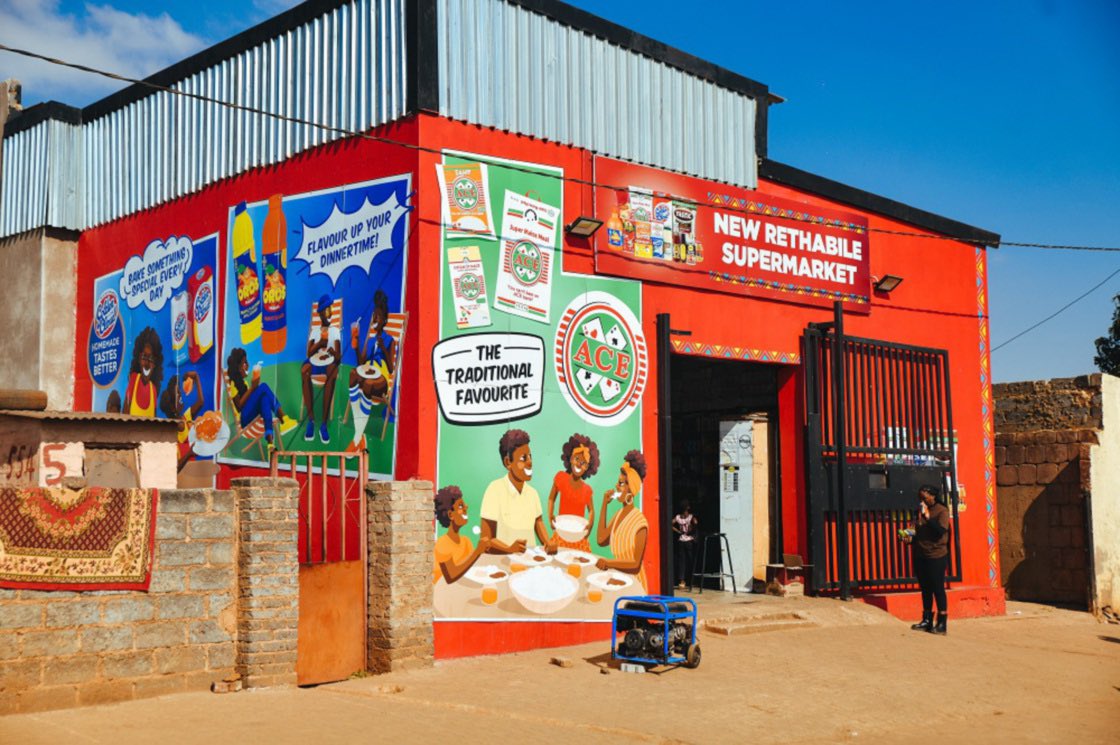
Ongoing Impact of Anti-Immigration Protests on Local Traders
More than 400 spaza shops in KwaZulu-Natal remain closed in the aftermath of anti-immigration protests, according to an estimate by Premier Group. The closures have raised concern about the ongoing effects on local informal traders and food distribution, especially for bread sales.
Background: Protests and Their Consequences
The March and March movement, led by Jacinta Ngobese-Zuma, organised anti-immigration protests on 30 June 2026 in KwaZulu-Natal. The demonstrations called on undocumented foreign nationals to leave South Africa, which led to a series of disruptions including reports of looting, intimidation, and attacks on foreign-owned spaza shops across the province.
Following these events, many shop owners and workers expressed concerns for their safety. As a result, a significant number of spaza shops closed their doors either temporarily or indefinitely.
Premier Group Assesses the Situation
Premier Group, known for food brands such as Blue Ribbon bread, Snowflake flour, and Iwisa maize meal, said the company supplies a wide variety of customersfrom large supermarkets and wholesalers to informal spaza shops. Spaza shops make up a key part of the company’s bread distribution in the province.
Chief executive Kobus Gertenbach highlighted during Premier Group’s interim results presentation that KwaZulu-Natal remains the region most affected by the recent unrest. He emphasized that disruptions from the March and March anti-immigration protests continue to be felt on the ground.
“Still seeing ongoing disruption from the March and March anti-immigration protests. Our estimate is that in excess of 400 spaza shops in the KZN market in particular have remained closed.”
Business Uncertainty and Community Effects
The closures have significant implications for business owners, many of whom have left their shops closed due to ongoing safety concerns. The uncertainty extends to whether traders who may have left the country during or after the unrest will ever return to reopen their businesses.
This has caused disruption not only for the shop owners but also for communities that rely on these informal outlets for daily necessities. Spaza shops often provide essential goods, especially in areas with limited access to larger retailers.
Monitoring and Recovery Efforts
Premier Group continues to monitor the reopening of affected shops and assess the broader impact of the closures on its business and the surrounding communities. The company’s supply chain includes informal traders as an integral part, and the continued closure of hundreds of spaza shops puts pressure on bread distribution and overall food accessibility in KwaZulu-Natal.
Broader Context: The Role of Informal Traders
In South Africa, spaza shops are crucial for local economies and community livelihoods, particularly in townships and rural areas. Disruptions to this sector, whether caused by social unrest, violence, or protests, often ripple through to households that depend on these small businesses for everyday items.
- Increased pressure on larger retailers and supply chains
- Potential job losses and income reductions for families supported by shop owners and workers
- Reduced access to affordable staple foods for residents
With more than 400 shops remaining shut after the June protests, Premier Group and informal traders face an uncertain path to stability and recovery. The long-term impact on the informal sector and local food security remains a pressing concern for KwaZulu-Natal communities.
Follow Joburg ETC on Facebook, Twitter, TikTok and Instagram
For more News in Johannesburg, visit joburgetc.com
Source: iol.co.za