Dirty water crisis hits SA schools as E. coli found in taps across provinces
For many South African pupils, a glass of water at school should be the safest thing in the day. Instead, new test results suggest that in some classrooms, even the tap cannot be trusted.
A citizen-led water testing project has uncovered troubling levels of contamination in school drinking water across several provinces, with nearly one in three participating schools recording unsafe results. The findings have reignited fears over South Africa’s deepening water and sanitation crisis.
Civil society group WaterCAN says urgent action is now needed to protect learners and staff.
What the tests found
Seventy-two schools took part in the latest Schools Water Testing Project. Of those, 20 schools returned results classified as dangerously unsafe due to high levels of E. coli bacteria commonly linked to faecal contamination.
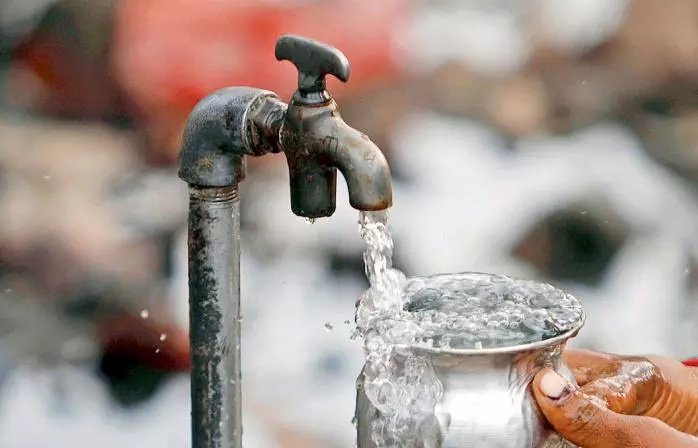
Even more alarming, 12 of those unsafe samples came directly from taps, while the rest were taken from storage tanks.
That means the contamination may not be limited to old tanks or neglected containers, but in some cases could be coming through the water supply itself.
Provinces affected
Schools from multiple provinces participated, including:
- Free State
- KwaZulu-Natal
- Mpumalanga
- Western Cape
- Eastern Cape
Municipal areas named in the report include Cape Town, Nelson Mandela Bay Metropolitan, Matjhabeng Local Municipality and several others.
The spread of affected areas suggests this is not an isolated local failure, but part of a broader national challenge.
Why E. coli is serious
E. coli in drinking water is widely used as a warning sign that sewage or waste contamination may be present.
For children, the risks can be severe: stomach illness, diarrhoea, dehydration, and other waterborne diseases. In schools where nutrition programmes already struggle, unsafe water adds another burden.
WaterCAN said schools were advised to stop using the affected water for drinking until the issue is resolved.
A crisis years in the making
South Africans are no strangers to water warnings. Burst pipes, sewage spills, treatment plant failures and ageing infrastructure have become common headlines from towns to metros.
What makes this report especially sensitive is the setting: schools.
Parents send children to class expecting safety. Teachers are expected to focus on learning, not whether the water fountain is hazardous.
The findings also echo previous government reports that flagged declining wastewater systems and poor municipal maintenance.
Public reaction: “How are children meant to learn?”
Social media reaction was swift, with many users expressing anger that basic services remain unreliable in learning spaces.
A common frustration emerged online: if children cannot access clean water at school, how can the country seriously talk about improving education outcomes?
Others praised the citizen-science model, saying communities are increasingly forced to monitor services themselves.
What happens now?
WaterCAN has written to affected schools and municipalities, calling for:
- Confirmatory water quality tests
- Immediate investigations
- Fast corrective action
- Safe alternative drinking water where needed
The Department of Basic Education had been approached for comment.
Bigger than a school issue
This is not only an education story. It is a governance story, a health story, and a dignity story.
Clean water should not depend on postcode, province or whether a school has activists testing taps.
Until safe water becomes routine rather than lucky, many South African families will keep asking a painful question: if children are not protected at school, where are they protected?