News
Gauteng health officials issue a malaria travel warning ahead of the holidays
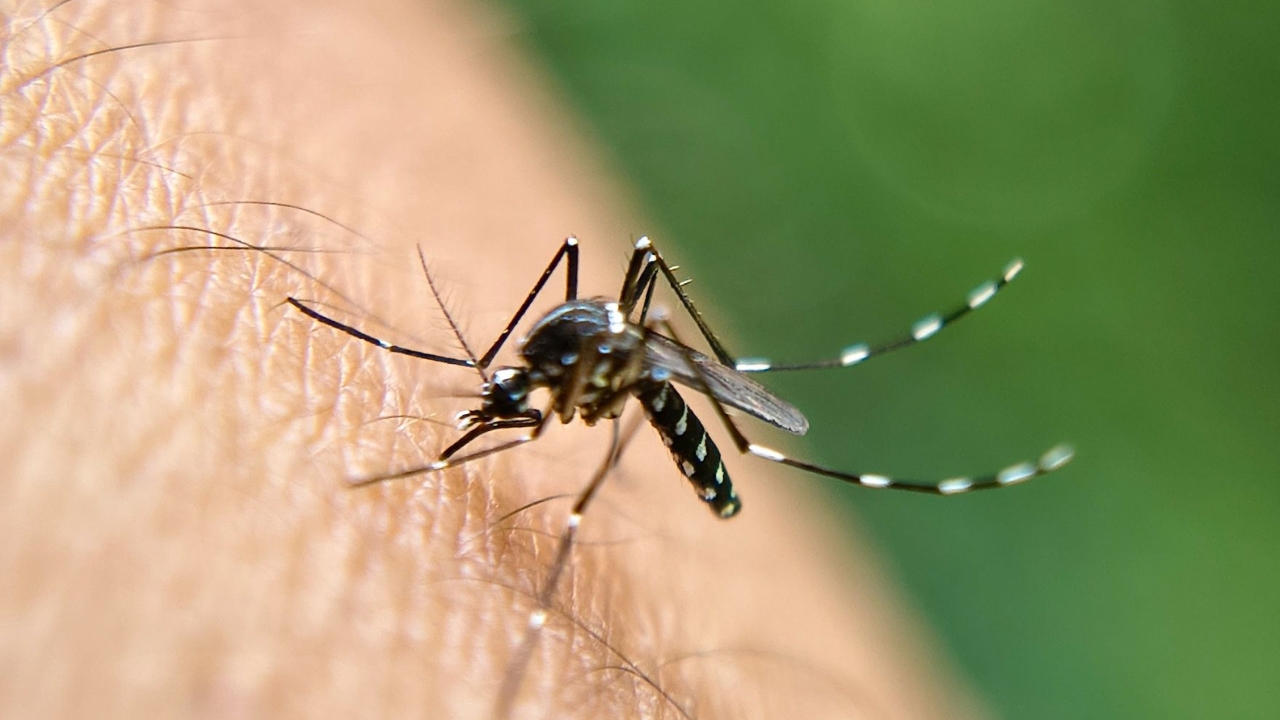
Gauteng malaria cases have climbed sharply this year, and the provincial health department wants Joburgers to take that seriously before the holiday road trips begin, Joburg Etc reports.
In a media statement issued on Thursday, 12 November, the Gauteng Department of Health (GDoH) urged residents to stay alert, particularly anyone heading to a malaria area. The call came as the department joined the Southern African Development Community (SADC) in highlighting regional cooperation, prevention and stronger surveillance. You can read the full statement on the department’s X account.
MEDIA STATEMENT || GAUTENG HEALTH URGES RESIDENTS TO BE ALERT TO MALARIA AS CASES AND DEATHS INCREASE. https://t.co/VgHFGaPQKc
Gauteng Health (@GautengHealth) November 12, 2026
Nine months in, 2026 has already passed last year’s total
Gauteng is not a malaria province. The disease does not spread locally in any meaningful way, so every case here usually starts with a trip somewhere else. That makes the latest numbers harder to ignore.
Between January and September 2026, the province recorded 768 cases and 17 deaths. In the same period of 2025 there were 554 cases and six deaths, which means cases are up by 38.6%. For the whole of 2025, Gauteng recorded 666 cases and seven deaths. Nine months into this year, both of those totals have already been left behind.
The alarm first sounded in April, when the department reported 414 cases and 11 deaths in just the first three months of 2026. The National Institute for Communicable Diseases (NICD) linked the early-year surge to ‘unusually heavy rainfall and recent flooding’, which create ideal breeding conditions for mosquitoes.
The deaths trace back across the border
The most striking detail sits in the death toll. Of the 17 people who died in 2026, 15 (88.2%) had travelled to a country in the SADC region. Mozambique accounted for roughly 59% of the deaths.
That fits a long-running pattern. Mozambique has been flagged for years as the region’s highest-transmission destination, according to The Citizen.
Why a flu-like fever can be dangerous in Joburg
Here is the part that catches people out. Malaria symptoms look a lot like everyday illness: fever, chills, headache, muscle aches, nausea and vomiting. In a city where nobody expects malaria, a doctor or a patient can easily shrug it off as flu.
The department puts it plainly: ‘Malaria is a serious but preventable and treatable disease.’ Treatment works best when it starts early, which is why anyone who feels unwell after a trip should mention their travel history immediately.
Then there is the rarer scenario the department also tracks, called odyssean malaria. It happens when an infected mosquito hitches a ride in a vehicle or aircraft and bites someone who has never left Gauteng. It is sometimes called airport or taxi-rank malaria. Wits researchers who studied Gauteng between 2007 and 2013 investigated 14 confirmed and seven probable cases, and two of those patients died, according to a study on PubMed. With no travel history to point the way, diagnosis tends to come late.
What the province says it is doing
Environmental health practitioners investigate each reported case to work out the likely source of infection and classify it as imported or odyssean. The province also audits every malaria-related death, trains healthcare workers to spot suspected cases and monitors reported cases daily.
Awareness drives are being stepped up in hotspot areas, with outreach at taxi ranks and bus stations during peak travel periods such as public holidays and the festive season. On 11 November, the department held an awareness event at Holomisa Sports Grounds in Bekkersdal on the West Rand. It also works with municipalities, the NICD and the National Department of Health.
Before you pack the car
If your holiday takes you into a malaria area, visit a travel clinic before you leave. The department says clinics are available in all five health districts, and a clinician can advise on precautions for your route and length of stay.
Once you are home, keep an eye on how you feel. A fever, chills or body aches after a trip deserve a clinic visit rather than a wait-and-see weekend. Say where you have been, and say it first.
Be the first to know – Join our WhatsApp Channel for content worth tapping into! Click here to join!