News
Labour Court Upholds KFC Rocklands Manager’s Dismissal Over Favouritism Allegations
The Labour Court ruled the dismissal of a KFC Rocklands manager was fair, citing favouritism, misconduct, and a breakdown of trust among staff.
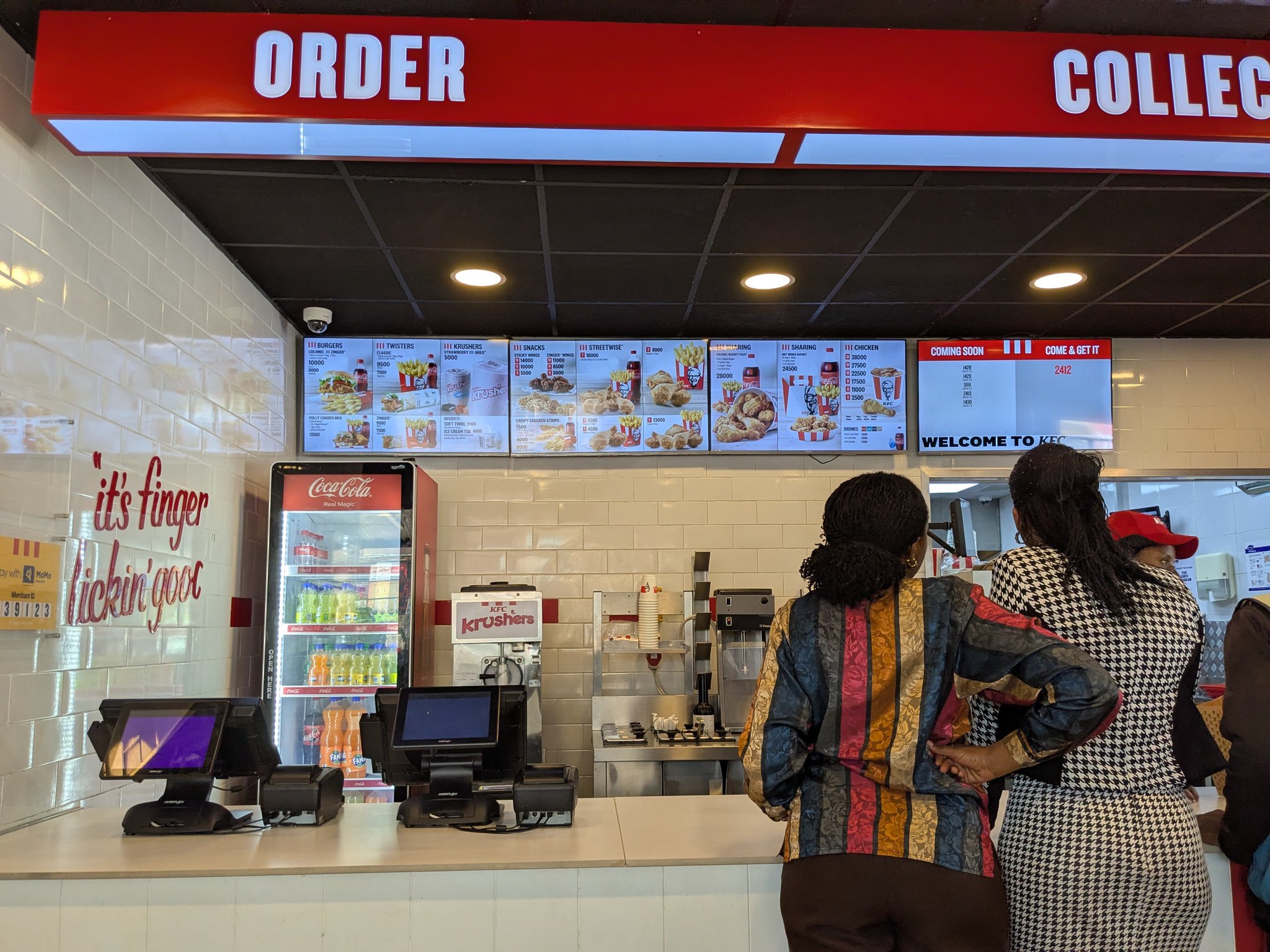
Labour Court Rules on Dismissal of KFC Rocklands Manager
The Labour Court has upheld the dismissal of Sebata Alfred Ntahane, formerly the general manager of the KFC Rocklands restaurant in Bloemfontein. This comes after the court ruled that credible evidence supported allegations of favouritism and misconduct, resulting in an irreparable breakdown in the trust relationship between the manager and staff.
Background: From Arbitration to the Labour Court
Ntahane’s dismissal was the conclusion of a protracted employment dispute with Rohloff Group, which operates KFC franchises. Initially, an arbitration award from the Commission for Conciliation, Mediation and Arbitration (CCMA) favoured Ntahane. However, Rohloff Group took the matter to the Labour Court, seeking to overturn that award. The court, presided over by Acting Judge ME Manala, found in favour of the company, ruling that both the procedure and the substance of the dismissal were fair and justified.
Allegations of Misconduct and Favouritism
The court considered several significant allegations against Ntahane that arose during his tenure as manager. Key among them were claims of treating staff unequally, displaying favouritism, and managing disciplinary issues inconsistently. There were also specific incidents cited, including shouting at an employee in front of colleagues and customers, causing friction and discord among the team.
Certain allegations pointed to administrative and operational lapses, such as neglecting responsibilities while using his cellphone, failing to complete food cost reports, missing scheduled training, disregarding managerial instructions, and taking unauthorised leave. Concerns also emerged over the integrity of the disciplinary process, including claims that Ntahane prepared written statements for employees in his own handwriting and allegedly pressured them into signing these statements for the hearings.
Testimonies Highlight Favouritism and Discord
Testimony from Refilwe Bonolo-Khosi, a former shift supervisor at the Rocklands branch, was pivotal. Bonolo-Khosi told the court that Ntahane treated and disciplined employees differently, openly favouring a staff member named Nthabeleng. Her detailed account included descriptions of a specific workplace confrontation, where she alleged the manager’s handling of the dispute unjustly benefitted Nthabeleng over others.
The court observed that these claims were neither disputed during cross-examination nor addressed in Ntahane’s version of events.
Breakdown of Trust at the Workplace
Acting Judge Manala noted that substantial acrimony existed between Ntahane and Bonolo-Khosi, making future collaboration impossible. The court emphasised that the trust relationship required between employer and employee had been irreparably damaged.
“The evidence could not yield any outcome other than dismissal, given the apparent breakdown in trust,”
the judgment stated.
This finding reflected the evidence gathered from various company representatives and staff, confirming that workplace relations had deteriorated beyond repair and that continued employment was untenable.
Court Sets Aside CCMA Award
The Labour Court ultimately rejected the CCMA’s earlier decision and substituted it with an order confirming that Ntahane’s dismissal was both procedurally and substantively fair. The court declined to award costs to either party.
Implications for Workplace Management
This case highlights the significance of maintaining impartiality and trust in management roles. When trust is lost due to perceived favouritism or misconduct, workplace dynamics can quickly deteriorate. Labour dispute processes, such as the ones followed in this case, play a crucial role in ensuring fair outcomes while safeguarding both company interests and employee rights.
- Employers are reminded of the need for thorough procedures and transparency in disciplinary actions.
- Employees are encouraged to know their rights and responsibilities in the workplace.
- Managers must remain impartial in all employee matters to sustain healthy workplace relationships.
While this specific matter centred on one fast-food franchise, the court’s decision sets a wider precedent for handling trust and favouritism issues in workplaces across South Africa.
Follow Joburg ETC on Facebook, Twitter, TikTok and Instagram
For more News in Johannesburg, visit joburgetc.com
Source: iol.co.za