Culture Craze
Zara Larsson calls out Chris Brown while taking a stand against industry abuse
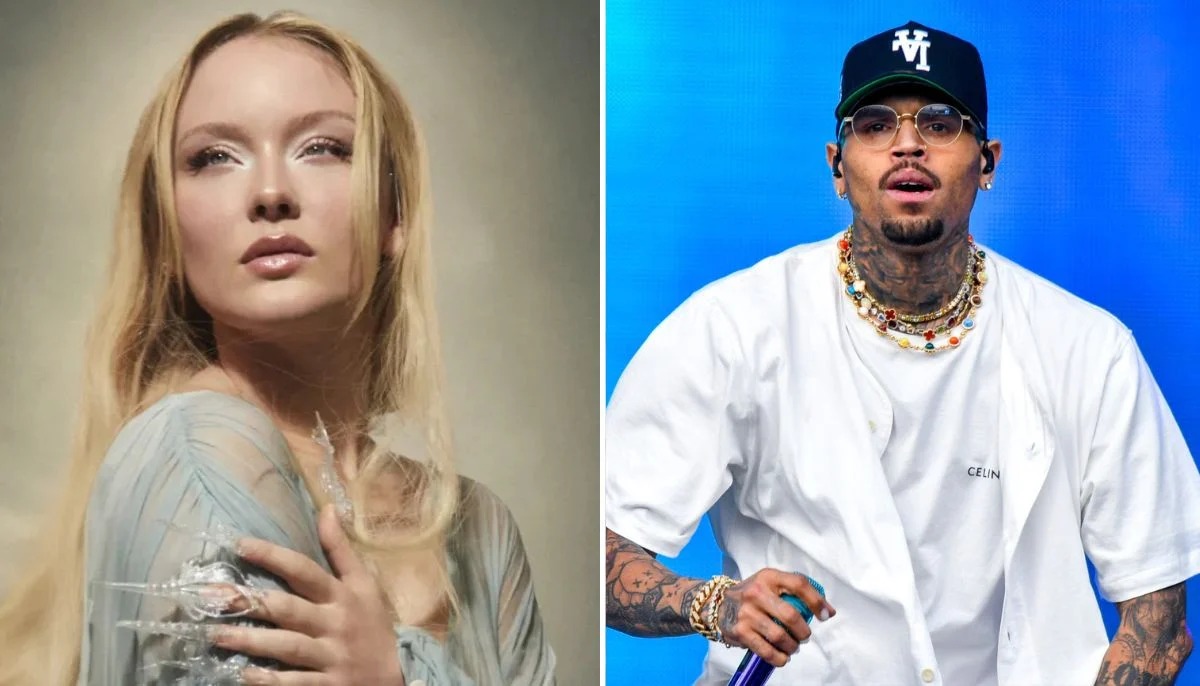
Swedish pop star Zara Larsson has never been shy about speaking her mind. But this week, she turned what could have been a passing pop culture comment into something much bigger.
During an appearance on the podcast Cheap Shots, Larsson revealed that she has deliberately blocked several artists from her streaming platforms. Her reason was simple and direct: she does not want to listen to abusers.
One name she made clear would not appear on her playlists is Chris Brown.
It was a short statement. But it landed loudly.
More than just a playlist choice
Larsson explained that the artists she has blocked are people accused or convicted of abuse. It was not framed as drama. It was framed as values.
For many listeners, that distinction matters.
Brown’s legal history is well documented. In 2009, he pleaded guilty to felony assault after physically assaulting his then-girlfriend Rihanna. In 2014, he pleaded guilty to misdemeanour assault following an altercation in Washington, D.C. In 2017, his former girlfriend Karrueche Tran was granted a five-year restraining order against him.
Those are court records, not rumours. And they continue to shape public debate around separating art from the artist.
Larsson has addressed that tension before. Nearly a decade ago, she admitted she found his music talented while also stating she did not consider him a good person. That inner conflict mirrors what many fans wrestle with quietly.
Now, she appears to have resolved it for herself.
Fame, forgiveness, and the “halo effect”
In entertainment circles, fame often softens consequences. Psychologists call it the halo effect: when talent and celebrity status influence how people judge behaviour.
The music industry has long been criticised for protecting high earners and chart toppers. Streaming numbers continue to rise for artists with troubled pasts. Award nominations still happen. Tours still sell out.
Larsson’s stance interrupts that pattern in a subtle but powerful way. She is not calling for bans. She is not leading a boycott campaign. She is simply saying that in her own space, certain behaviour is not welcome.
In an era driven by algorithms, even small acts of refusal can feel radical.
Why it resonates beyond pop culture
Globally, more than one in three women experience physical or sexual violence in their lifetime. In South Africa, gender-based violence and femicide remain urgent national concerns. These are not abstract statistics. They are daily realities for families, communities, and survivors.
When a globally recognised artist speaks openly about abuse and accountability, it shifts the conversation from gossip to gravity.
Larsson knows influence well. She first stepped into the spotlight at just ten years old after winning Talang, Sweden’s version of Got Talent. Since then, she has built an international career with hits such as “Lush Life” and “Never Forget You”. She is currently preparing for the United States leg of her Midnight Sun Tour while maintaining strong streaming numbers.
She could easily have stayed silent.
Instead, she chose to draw a line.
The art versus the artist debate, again
Social media reactions have been predictably split. Some fans applaud her clarity, saying public figures must model accountability. Others argue that music should be judged separately from personal conduct.
That debate is unlikely to disappear.
What Larsson’s comments do, however, is give younger listeners permission to question what they consume. For teenagers building their identities through playlists and TikTok trends, celebrity opinions often double as moral cues.
When someone at the top says she will not separate the music from the man, it challenges the comfort of cultural amnesia.
@voicesofgoldZara really said “not on my Spotify” 🙅🏼♀️ In a Cosmopolitan “Cheap Shots” video interview, Zara Larsson said she uses Spotify’s block feature to keep artists she considers abusers out of her music library and that means no Chris Brown in her rotation. Click the link in bio for the full breakdown. 🎧 🎥: Cosmopolitan’s “Cheap Shots”
A quiet form of activism
Larsson did not deliver a lecture. She did not position herself as a campaign leader. She simply adjusted her listening habits and spoke about it honestly.
Sometimes, cultural shifts begin that way.
In a world where silence from powerful voices can feel like endorsement, even a personal streaming choice can carry weight. For survivors of abuse, it signals that their experiences are not background noise to be ignored when the beat drops.
And for an industry still grappling with its own accountability, it is a reminder that fame does not erase history.
Follow Joburg ETC on Facebook, Twitter, TikT
For more News in Johannesburg, visit joburgetc.com
Source: IOL
Featured Image: hungamaexpress