News
Questions grow over Ramaphosa links to anti-corruption investigator after Parliament testimony
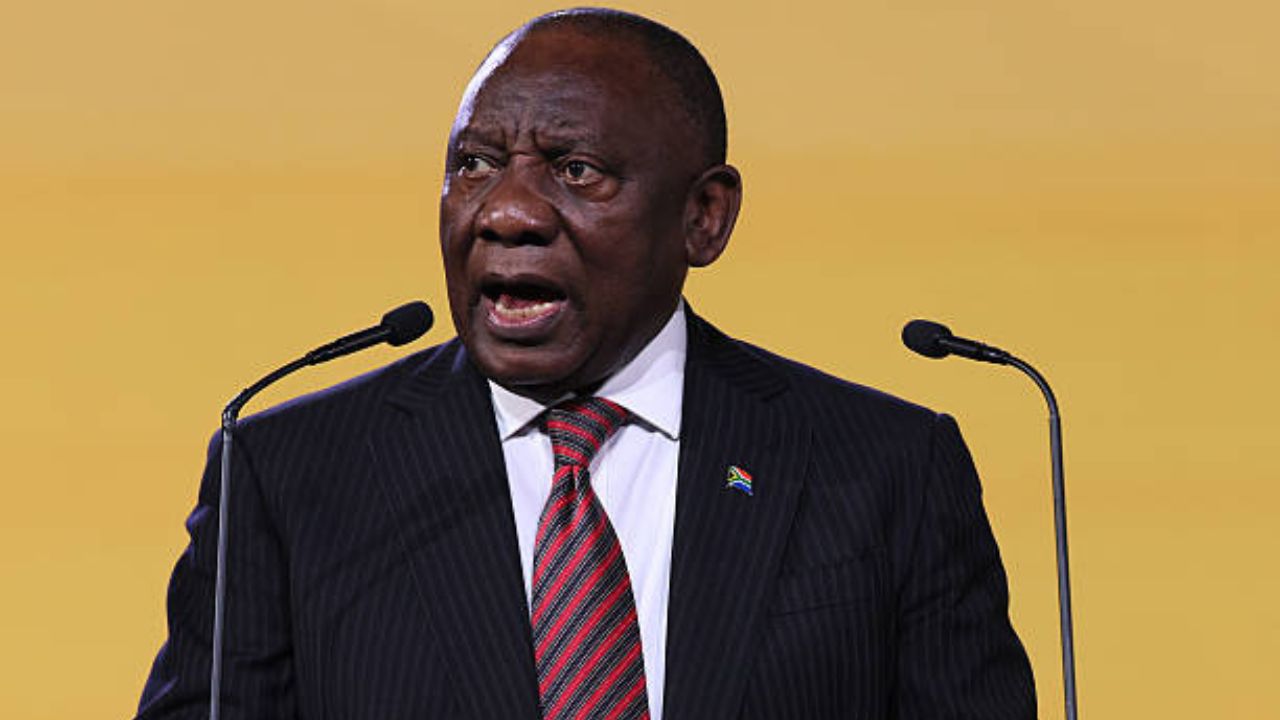
Questions grow over Ramaphosa links to anti-corruption investigator after Parliament testimony
South Africa’s ongoing fight against corruption has taken another twist after testimony in Parliament reignited debate about the role of private investigators in politically sensitive cases.
During a recent sitting of an ad hoc parliamentary committee probing allegations raised by KwaZulu-Natal police commissioner Nhlanhla Mkhwanazi, attention turned to the activities of well-known fraud investigator Paul O’Sullivan and his alleged connections to figures close to President Cyril Ramaphosa.
The testimony has sparked criticism from political parties and analysts who warn that the country’s justice system risks being drawn into political battles.
Testimony that stirred political debate
The controversy stems from evidence given by attorney and certified fraud examiner Sarah‑Jane Trent, who previously worked with O’Sullivan.
Speaking before the parliamentary committee, Trent raised questions about the influence of private actors operating within South Africa’s criminal justice system.
Among the issues highlighted was O’Sullivan’s reported relationship with presidential adviser Bejani Chauke. According to the testimony, the connection has raised eyebrows about how private investigators interact with senior government figures.
The committee itself was formed to examine claims made by Mkhwanazi regarding alleged interference and irregularities within law enforcement.
MK Party claims “selective activism”
The uMkhonto weSizwe Party (MK Party) has seized on the testimony, arguing that the revelations point to a troubling pattern.
Party spokesperson Nhlamulo Ndhlela said Trent’s admission that she laid criminal charges on behalf of the organisation Forensics for Justice raises questions about the influence of private actors in politically sensitive investigations.
According to Ndhlela, the party believes some figures appear to be aggressively targeted in corruption cases while others are treated more leniently.
“The contrast is glaring,” he argued, referencing past allegations involving the president’s son Andile Ramaphosa and payments connected to Bosasa and the CR17 campaign.
While the Constitutional Court of South Africa previously ruled that President Ramaphosa did not deliberately mislead Parliament regarding the CR17 donation, critics say the broader political environment still deserves scrutiny.
The MK Party says it is now seeking legal advice to explore whether criminal charges could be pursued against Trent and O’Sullivan.
Analysts warn of a “perception crisis”
Political analysts say the debate highlights a deeper problem in South Africa’s justice system: public trust.
Political commentator Sipho Seepe argued that O’Sullivan’s role in high-profile cases raises questions about how private investigators influence law enforcement.
According to Seepe, some individuals within policing structures appeared to be targeted under the banner of anti-corruption campaigns, while others close to political leadership seemed to escape similar scrutiny.
Meanwhile, political scientist André Duvenhage said the issue reflects a broader trend.
He pointed out that multiple commissions over the years have implicated senior figures in the governing African National Congress yet relatively few high-level prosecutions have followed.
“The absence of convictions doesn’t necessarily mean innocence,” Duvenhage noted, suggesting it may also point to weaknesses within the criminal justice system.
A familiar story in South African politics
The debate around corruption, political influence and accountability has become a recurring theme in South African public life.
Over the past decade, revelations from inquiries into state capture and other scandals have reshaped public expectations about transparency and accountability in government.
For many South Africans, the latest parliamentary testimony is simply another chapter in a long-running saga.
On social media, reactions have been mixed. Some users have called for stronger oversight of private investigators involved in criminal cases, while others argue that whistleblowers and independent investigators remain crucial in exposing corruption.
Presidency responds cautiously
The Presidency has so far avoided engaging publicly with the allegations in detail.
Presidential spokesperson Vincent Magwenya confirmed that the president had received questions from the parliamentary committee and would respond directly to it.
For now, the matter remains in the hands of Parliament’s inquiry, but the debate it has sparked shows no signs of fading.
As South Africa continues to grapple with corruption and political accountability, the bigger question remains: who watches the watchdogs?
{Source: IOL}
Follow Joburg ETC on Facebook, Twitter , TikTok and Instagram
For more News in Johannesburg, visit joburgetc.com