Gauteng hip surgery wait list reaches 10 years as public patients face painful delays
For thousands of Gauteng residents living with chronic pain, every step can feel like a struggle. For some, relief may still be years away.
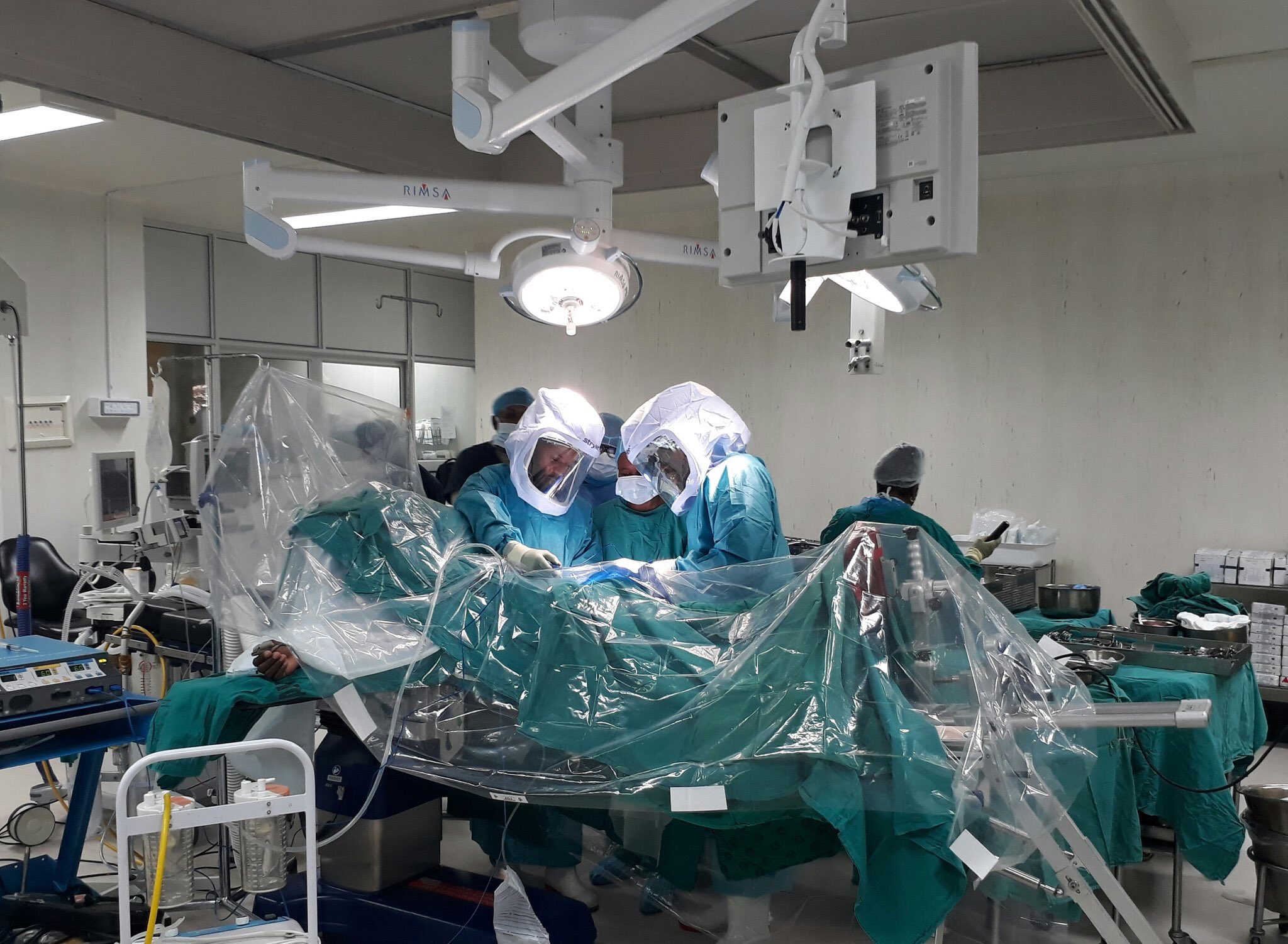
New details from the Gauteng Legislature reveal that patients needing hip replacement surgery in public hospitals are being told to wait anywhere between three and 10 years. In one reported case, a patient at Chris Hani Baragwanath Hospital was allegedly informed that a knee operation would only happen in 2032.
It is the kind of news that lands heavily in households already stretched by transport costs, job losses and the daily pressure of surviving while injured.
Why the queues keep growing
According to Gauteng Health MEC Faith Mazibuko, several factors are driving the crisis.
These include old backlog cases that were never fully digitised, operating theatres losing time because of equipment failures and staff shortages, shortages of implants and medical consumables, and growing referrals to major tertiary hospitals.
There were also practical setbacks. Last year’s water shortages caused surgeries to be cancelled or postponed, while broken chillers created unsafe temperatures inside theatres.
In plain terms: even when surgeons are ready, the system often is not.
Biggest hospitals carrying the heaviest burden
The longest delays were reported at some of Gauteng’s largest hospitals, including:
- Chris Hani Baragwanath Hospital
- Charlotte Maxeke Johannesburg Academic Hospital
- Helen Joseph Hospital
- Tembisa Hospital
- Kalafong Provincial Tertiary Hospital
- Sebokeng Hospital
Smaller hospitals such as Mamelodi Regional Hospital and Edenvale Hospital were said to have shorter waiting periods.
That contrast highlights a growing imbalance: flagship hospitals are overwhelmed, while decentralised services still appear underused.
More than a waiting list
Opposition MPL Jack Bloom said the official numbers may not show the full picture because many patients are still waiting just to see specialists before they can even be added to surgery lists.
That means the true backlog could be far larger.
Health advocates say delays like these are not only administrative problems. Untreated joint damage can worsen over time, making surgery more complex and recovery slower. Patients may also lose jobs, become dependent on family support, or struggle with mental health after years of reduced mobility.
What South Africans are saying
Online reaction has been sharp, with many Gauteng residents comparing surgery waiting dates to “booking a future life event.” Others shared stories of elderly parents using crutches for years while waiting for operations.
That frustration reflects a wider public mood: South Africans understand resources are limited, but patience runs thin when pain becomes permanent.
Can the system recover?
Mazibuko says the department plans to recruit more specialised clinicians and prioritise repairs to theatre equipment. Weekend surgery drives have also been mentioned as part of the solution.
But critics argue emergency catch-up plans are not enough. Without consistent maintenance, better staffing and faster procurement systems, the queue may simply keep moving forward.
A 10-year wait for hip surgery is not just a hospital statistic. It is a measure of how deeply strain in public healthcare reaches into ordinary lives.
For many Gauteng families, the real question is no longer when surgery is scheduled.
It is whether help will come soon enough.