News
Oil fears and regional strikes escalate as Iran launches new wave of attacks
Oil fears and regional strikes escalate as Iran launches new wave of attacks
A new wave of military strikes across the Middle East has raised fears that the conflict involving Iran, Israel, and several Gulf nations could spiral further, threatening global energy supplies and deepening instability across the region.
Missiles, drones, and naval confrontations intensified on Wednesday as Iran targeted locations across the Gulf and Israel, while the United States launched strikes against Iranian vessels near one of the world’s most important oil routes.
At the same time, global leaders began scrambling for ways to prevent the conflict from triggering a full-scale energy crisis.
Oil markets on edge
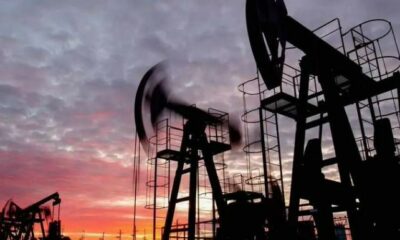
One of the biggest concerns is the Strait of Hormuz, the narrow shipping channel between Iran and the Gulf through which roughly one-fifth of the world’s oil supply passes.
The United States said its forces destroyed 16 Iranian vessels capable of laying naval mines near the strait, warning that any attempt to block the route would trigger severe military consequences.
US President Donald Trump issued a blunt message on social media, saying Iran would face unprecedented retaliation if mines were deployed in the shipping corridor.
The waterway is considered one of the most strategically important choke points in the global energy system. Any disruption there can send oil prices soaring within hours.
Iran expands attacks across the region
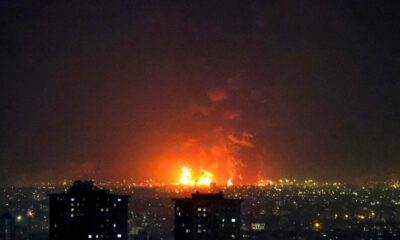
Iranian forces launched what they described as their “most intense” round of missile strikes yet, firing weapons toward cities across Israel for several hours.
Residents in Jerusalem reported hearing air-raid sirens and explosions, while emergency services in Tel Aviv said several people were injured.
But the conflict is no longer confined to Israel.
Iran’s Islamic Revolutionary Guard Corps said it also targeted US-linked military positions across the Gulf region, including sites in Bahrain, Kuwait, and Iraqi Kurdistan.
Kuwaiti officials confirmed that air defence systems intercepted eight drones, though details about their intended targets were not immediately released.
Meanwhile, Saudi Arabia said it intercepted six ballistic missiles aimed at Prince Sultan Air Base and additional drones targeting the Shaybah oil field in the kingdom’s southeast.
Maritime security incidents grow
The growing tension is also spilling into international shipping lanes.
A container vessel sailing near the coast of the United Arab Emirates was struck by what a British maritime security agency described as an unidentified projectile.
Although the ship sustained damage, all crew members were reported safe.
The attack adds to fears that commercial shipping and the global oil trade, could become a major casualty of the conflict.
Energy markets brace for shock
Behind the scenes, global leaders are racing to stabilise energy markets.
The G7 group of advanced economies scheduled an emergency video conference to discuss the war’s economic consequences, with particular focus on oil supply disruptions.
At the same time, the International Energy Agency is reportedly considering its largest-ever coordinated release of strategic oil reserves to prevent price spikes.
Such emergency releases are typically used during major global disruptions, such as wars or natural disasters, to keep fuel flowing while markets stabilise.
Lebanon pulled deeper into the conflict
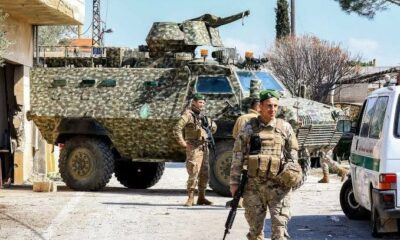
The regional fallout has also intensified in Lebanon, where Israeli strikes hit areas in Beirut’s southern suburbs and parts of the country’s south.
Authorities say nearly 760,000 people have now been displaced, underscoring the scale of the humanitarian crisis unfolding alongside the military confrontation.
Lebanon was drawn into the conflict after Hezbollah, the Iran-backed militant group, launched attacks on Israel following the killing of Iran’s supreme leader Ali Khamenei in earlier US-Israeli strikes.
Iran signals it will not back down
Despite the growing international pressure, Iranian leaders say they are not seeking to end the confrontation quickly.
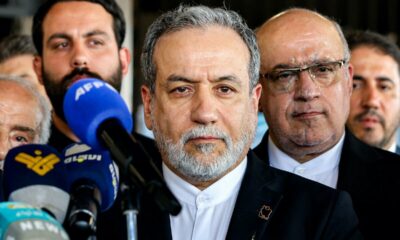
Iranian parliament speaker Mohammad Bagher Ghalibaf wrote on social media that Iran believes “the aggressor must be punished.”
Meanwhile, Iranian police chief Ahmad-Reza Radan warned domestic protesters that dissent would be treated as hostility toward the state.
Authorities also announced the arrest of 30 people accused of spying for Gulf countries on behalf of what they described as an “American-Zionist enemy.”
Energy infrastructure under threat
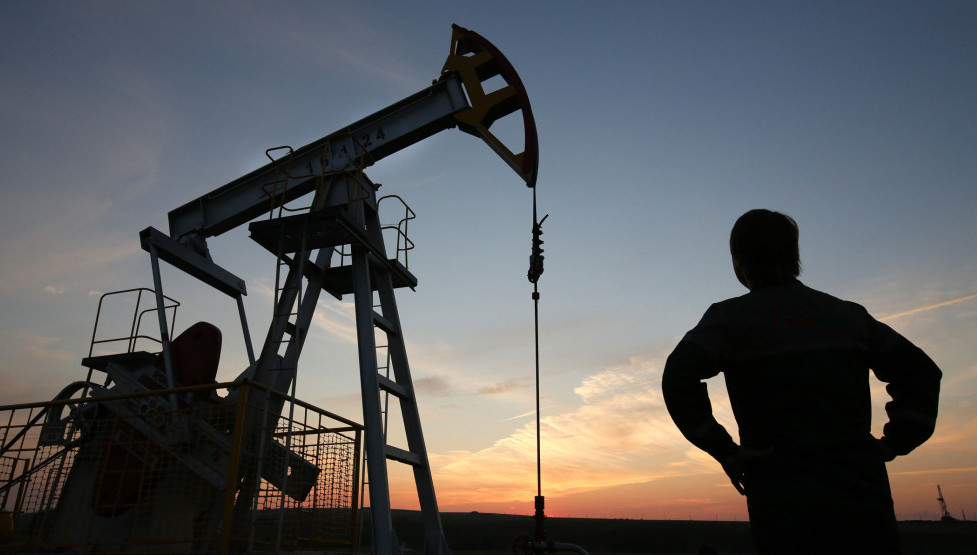
The war is already affecting critical energy facilities across the region.
One of the world’s largest refineries, the Ruwais refinery in the United Arab Emirates, temporarily halted operations following a drone attack on the industrial complex where it is located.
Although the shutdown was described as precautionary, it highlights the vulnerability of global fuel infrastructure during the conflict.
Why the world is watching closely
While the war is unfolding thousands of kilometres away from South Africa, its consequences could quickly ripple through the global economy.
Higher oil prices often translate into rising fuel costs, transport price increases, and broader inflation issues that South Africans are already grappling with at home.
On social media, South Africans have been following the situation closely, with many expressing concern that another global crisis could worsen the cost-of-living pressures already affecting households.
For now, global leaders hope emergency oil reserves and diplomatic efforts can prevent the conflict from triggering a full-scale energy shock.
But with missiles still flying across the Middle East and tensions rising around key shipping routes, the world’s energy markets remain firmly on edge.
{Source: IOL}
Follow Joburg ETC on Facebook, Twitter , TikTok and Instagram
For more News in Johannesburg, visit joburgetc.com