News
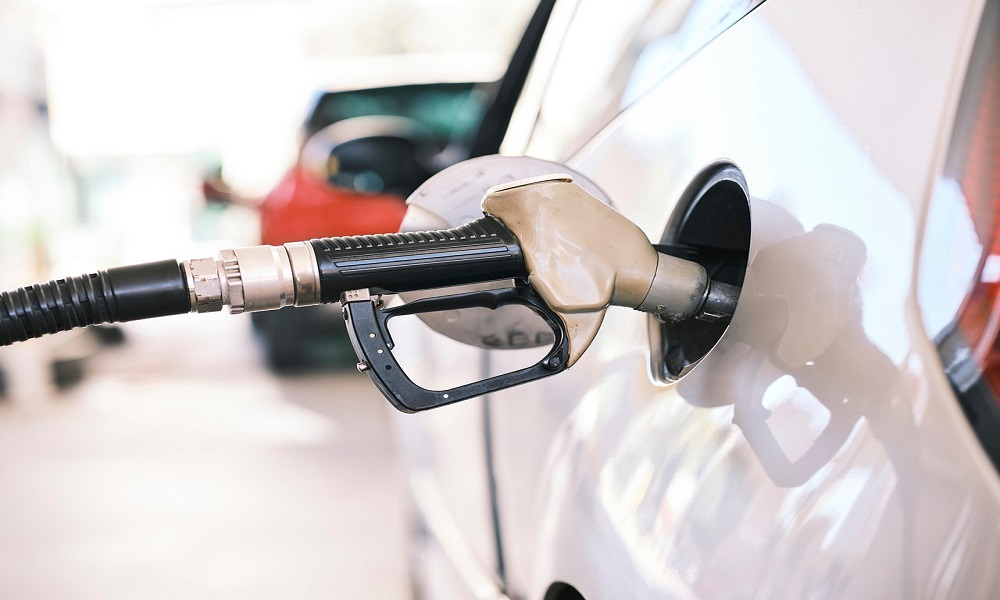
Diesel restrictions begin appearing in rural South Africa as fuel price pressures grow
Diesel restrictions begin appearing in rural South Africa as fuel price pressures grow

South Africans are no strangers to rising fuel prices, but a new development in rural areas is beginning to raise concern, diesel sale restrictions.
While petrol stations across the country are still operating normally, several agricultural suppliers have started limiting how much diesel farmers can buy each day. The move comes as global tensions threaten sharp fuel price increases in the coming months.
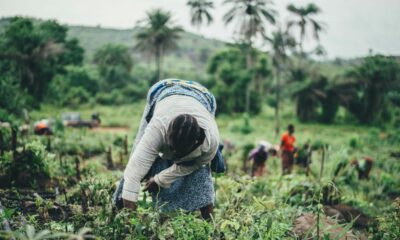
For farmers who rely on large amounts of diesel to keep tractors, harvesters and irrigation systems running, even small restrictions can have serious consequences.
Agricultural suppliers start tightening diesel sales
Some agricultural companies in small towns which often sell diesel at slightly lower prices than major fuel stations have begun adjusting their sales policies.
These suppliers typically purchase fuel in bulk, allowing them to offer competitive pricing to farmers who need large volumes during planting and harvesting seasons.
One of these companies, Oos‑Vrystaat Kaap Limited (OVK), recently informed customers at several distribution points in the Eastern Cape that its diesel ordering book had been temporarily closed.
The company explained that the decision followed sudden price increases from its fuel suppliers. Customers wanting to buy diesel were told to contact branch managers directly for updated price quotes.
OVK later indicated that the pause was temporary while it assessed developments in the Middle East, where tensions are affecting global energy markets.
Purchase limits appear in other areas
Another agricultural supplier, NWK Limited in the North West, has also increased diesel prices this week.
Some customers say purchases have been limited to 80 litres per day per customer, although the company has not yet confirmed the exact policy publicly.
For most everyday motorists, 80 litres would last several days of driving. But for farmers, the picture is very different.
Agricultural machinery consumes huge amounts of fuel. A combine harvester can burn 30 to 60 litres of diesel per hour, meaning a single harvesting day could require 300 to 600 litres.
A worrying time for farmers
The restrictions come at a particularly sensitive time for the agricultural sector.
South Africa’s maize harvesting season typically begins in April, while fruit harvesting across many regions runs between January and May.
Fuel is one of the biggest operational costs in farming. Tractors, harvesters, trucks and irrigation pumps all rely heavily on diesel.
With agricultural margins already tight, even a small price jump or difficulty securing fuel can quickly increase food production costs.
That ultimately affects consumers as well, since higher farming costs often translate into higher food prices at supermarkets.
Diesel prices could rise sharply
Data from the Central Energy Fund suggests diesel prices may climb significantly in April.
Based on international oil prices and the current rand exchange rate as of 10 March 2026, wholesale 50ppm diesel could increase by R6.02 per litre.
If market conditions remain unchanged, the inland wholesale price could approach its previous record of about R25.75 per litre, last seen in October 2022.
Petrol drivers could also feel the pressure. Current data shows an under-recovery of R3.52 per litre for 95 unleaded petrol, though it may still remain below the record price of R26.64.
However, these figures are not final. South Africa’s fuel price review period still has roughly three weeks remaining, meaning global oil prices and currency movements could still shift the outcome.
Global tensions affecting local fuel markets
Much of the uncertainty is tied to instability in the Middle East.
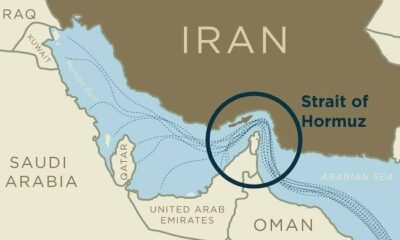
Two major fertiliser suppliers to South Africa Saudi Arabia and Qatar rely on shipping routes through the Strait of Hormuz, one of the world’s most important oil transit corridors.
Threats to shipping in the region have already begun disrupting supply chains, which could push both fuel and fertiliser prices higher.
Adding to the tension, officials in Iran have warned that oil prices could potentially surge from around $90 per barrel to as high as $200 if geopolitical tensions escalate further.
Social media reactions: “Here we go again”
News of diesel restrictions has already sparked concern among South Africans online.
Farmers and agricultural workers have expressed frustration on farming forums, warning that rising input costs are putting pressure on food production.
Others fear the situation could ripple through the economy.
“First fuel goes up, then food prices follow,” one user commented on a local discussion thread. “Consumers will feel it next.”
A reminder of how global crises hit home
For many South Africans, developments in far-away shipping routes or geopolitical conflicts may feel distant.
But events like this show just how quickly global energy markets can affect everyday life from farmers filling diesel tanks to motorists watching fuel prices climb at the pump.
For now, the restrictions remain limited to certain agricultural suppliers.
But if global fuel prices continue to surge, South Africans may soon feel the pressure much more widely.
{Source: My Broad Band}
Follow Joburg ETC on Facebook, Twitter , TikTok and Instagram
For more News in Johannesburg, visit joburgetc.com