News
Doubts grow over police general’s testimony at Tembisa Hospital corruption inquiry
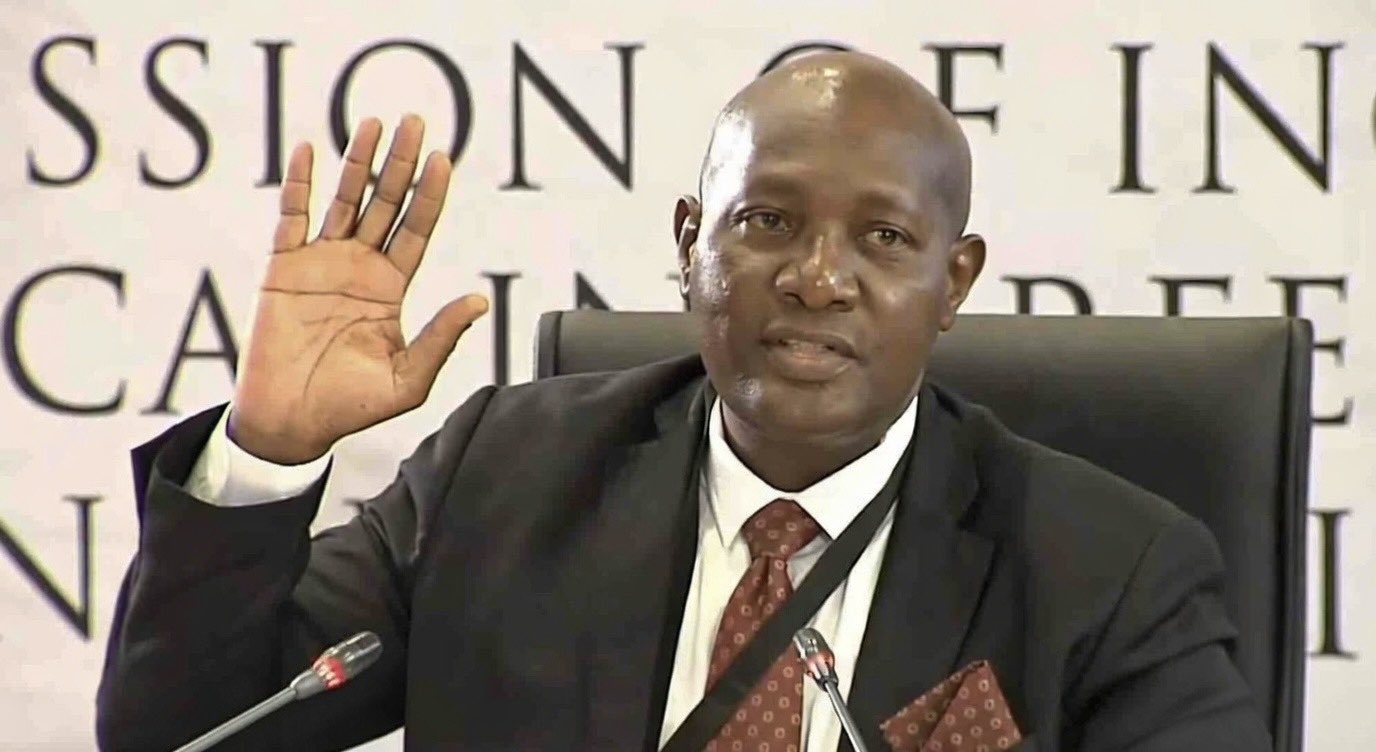
Doubts grow over police general’s testimony at Tembisa Hospital corruption inquiry
Fresh questions have emerged at a high-profile corruption inquiry after a senior police officer claimed he knew little about a figure widely linked to the Tembisa Hospital tender scandal.
During testimony at the Madlanga Commission of Inquiry, suspended police general Richard Shibiri faced tough questioning about his knowledge of alleged crime figure Vusimuzi Matlala and their relationship.
The exchange has added another layer of controversy to an investigation that already sits at the centre of one of South Africa’s most disturbing corruption cases.
A scandal that shocked the country
The inquiry is examining events connected to the corruption scandal at Tembisa Hospital, a public health facility in Tembisa, Gauteng.
The case gained national attention after the 2021 murder of whistle-blower Babita Deokaran, a senior official who had flagged suspicious payments linked to hospital tenders worth hundreds of millions of rand.
Her killing sparked outrage across South Africa and highlighted the risks faced by whistle-blowers who expose corruption in public institutions.
Police general questioned about alleged links
Shibiri, the suspended head of the South African Police Service Organised Crime Unit, told the commission he was unaware that Matlala had been linked to the controversial hospital contracts.
But this claim quickly came under scrutiny.
Evidence leader Thabang Pooe pointed out that Matlala had been the subject of police investigations spanning more than two decades from 2000 until 2024.
She argued that given Shibiri’s friendship with Matlala, dating back to 2016, it would have been easy for him to discover the businessman’s alleged criminal history.
Pooe suggested that even a basic search could have revealed Matlala’s past arrests, investigations and a conviction.
Commissioner challenges Shibiri’s version
The inquiry’s chairperson, Mbuyiseli Madlanga, also expressed scepticism about Shibiri’s explanation.
He noted that Shibiri’s written statement frequently referenced his interest in current affairs and news coverage.
Yet the general claimed he had not seen reports linking Matlala to the hospital tender controversy.
Madlanga said he found this difficult to accept, particularly since the allegations had received significant media attention.
At one point, the commissioner suggested that the police general may have been aware of the developments but was reluctant to acknowledge them.
A controversial R70,000 payment
Another contentious moment during the hearing centred on a payment Shibiri received from Matlala.
Earlier in his testimony, Shibiri insisted he would never accept money from someone involved in criminal activity.
However, he later acknowledged receiving R70,000 from Matlala.
The general maintained that the money was a loan and said he has since repaid it.
Madlanga raised the possibility that the repayment only happened after police raids at Matlala’s properties suggested investigators were closing in on him.
Shibiri rejected that suggestion, insisting the payment was not a bribe.
Social media and public reaction
The testimony quickly began trending on South African social media, with many users questioning how a senior police officer could be unaware of allegations surrounding someone he described as a friend.
Others pointed out that the scandal has been widely reported for years, especially after Deokaran’s murder brought the issue into the national spotlight.
For many South Africans, the case symbolises the deeper challenges facing law enforcement and anti-corruption efforts in the country.
The broader fight against corruption
The Tembisa Hospital scandal has become one of the most powerful reminders of the dangers faced by whistle-blowers in South Africa.
Deokaran had flagged suspicious payments linked to more than R200 million in tenders before she was assassinated outside her home.
Her death triggered national calls for stronger protections for whistle-blowers and tougher action against corruption in public healthcare.
What happens next
Shibiri’s testimony is expected to continue when the commission resumes its hearings.
With commissioners openly questioning elements of his evidence, the next round of testimony could prove critical in determining what senior law enforcement officials knew and when they knew it.
For a country still grappling with the fallout from corruption scandals, the stakes remain high.
And for many watching the proceedings closely, the central question remains unanswered: how much did those tasked with fighting crime really know about the network behind the Tembisa Hospital scandal?
{Source: IOL}
Follow Joburg ETC on Facebook, Twitter , TikTok and Instagram
For more News in Johannesburg, visit joburgetc.com