News
Why Sassa Offices Are So Crowded: Broken Buildings, Month-to-Month Leases, and No Control
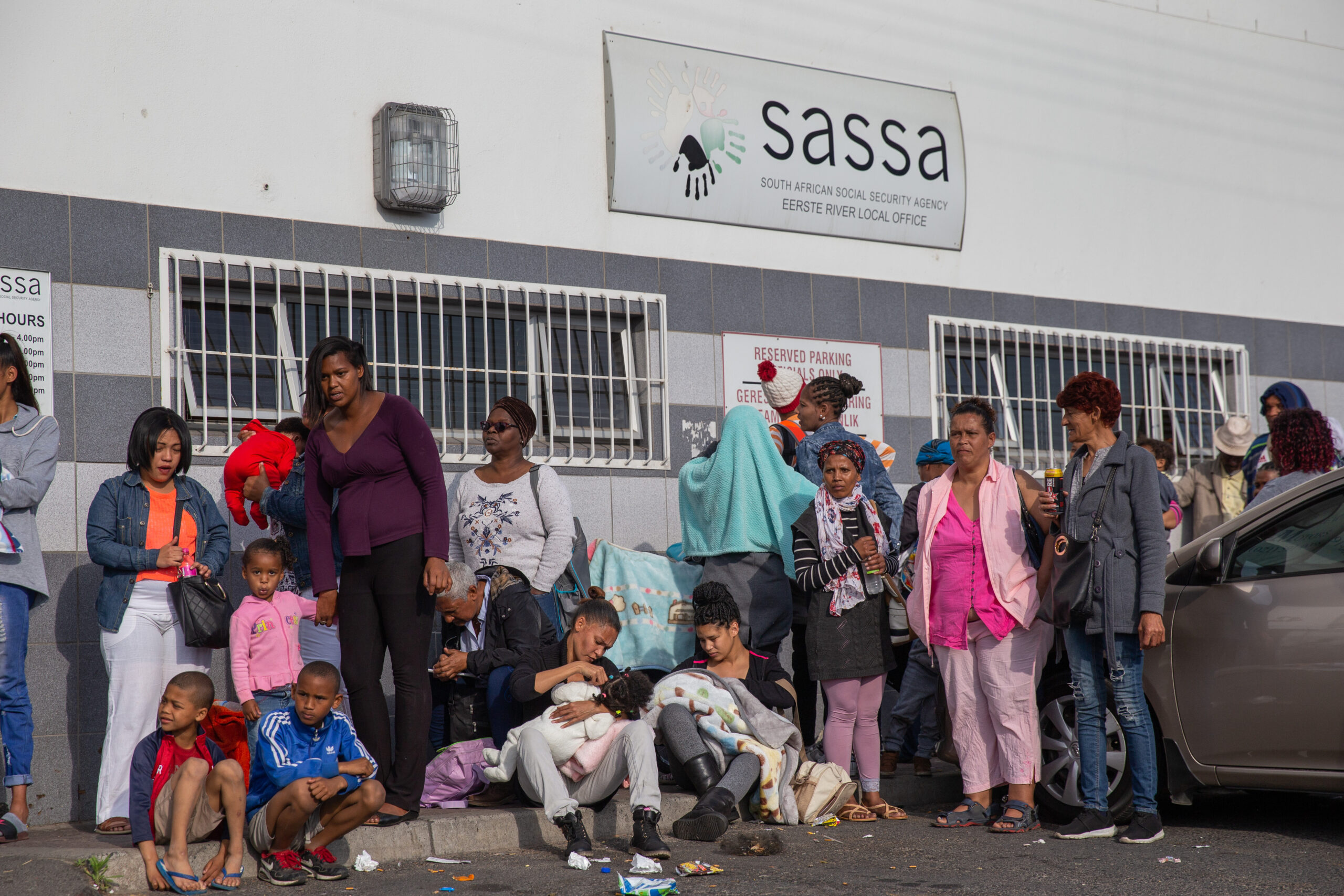
More than 19 million South Africans rely on social grants. Yet the offices meant to serve them are frequently overcrowded, broken, and offline.
A presentation by the South African Social Security Agency (Sassa) to Parliament’s portfolio committee on social development has laid bare the reasons: deteriorating infrastructure, occupational health and safety (OHS) violations, and problematic lease agreements.
The Portfolio
Sassa’s national property portfolio consists of 462 facilities across the country:
-
102 properties leased through the Department of Public Works and Infrastructure (DPWI)
-
119 directly leased from private landlords
-
211 shared with other government departments
-
Only 30 buildings fully owned by Sassa
The agency has limited control over repairs and upgrades.
“The relationship between landlord and NDPWI means Sassa has no control to fix all OHS non-compliance issues,” the presentation stated.
The Temporary Solution
Some offices operate from temporary facilitiespark homes and porta-campsin areas where permanent infrastructure is unavailable, particularly in rural or high-demand locations.
The Failures
Oversight visits found “unfavourable office conditions” in many regions:
-
Frequent power failures and unreliable electricity supply force systems offline and halt services
-
Severe overcrowdingclient demand far exceeds available space
-
Broken or non-functional toilets
-
Damaged air-conditioning systems
-
Crumbling internal and external structures, including walls and ceilings
In several instances, buildings have deteriorated to the point of posing safety risks.
The Lease Problem
Many leases have moved to month-to-month arrangements, discouraging landlords from investing in maintenance.
“Due to month-to-month leases, the landlords are not committed to addressing OHS issues,” Sassa told the committee.
This has compromised employee well-being and created labour concerns.
The Impact
Operationally, deteriorating infrastructure has resulted in:
-
Restricted operating hours
-
Long queues
-
Service backlogs
-
Temporary office closures
-
Eroded public trust
The Remedies
Sassa has started reviewing its entire property portfolio and infrastructure strategy.
The agency has invoked provisions in the South African Social Security Agency Act that allow it to acquire or hold immovable property, and has requested permission to procure office facilities directly.
Planned priorities:
-
Offices with severe OHS challenges
-
Long-outstanding accommodation requests
-
Sites operating on month-to-month leases
A broader policy review is underway to allow the agency to build or own its own offices.
“The review of Sassa’s immovable property policy will enable Sassa to procure independently.”
The Bottom Line
Nineteen million people depend on Sassa. But the offices they rely on are falling apartand Sassa can’t fix them because they don’t own them.
Broken toilets. Power failures. Crumbling walls. Month-to-month leases that landlords ignore.
The agency is trying to change that. But for millions of beneficiaries, the queues will keep growing until the buildings do too.
{Source: Citizen}
Follow Joburg ETC on Facebook, Twitter , TikTok and Instagram
For more News in Johannesburg, visit joburgetc.com