Joburg council budget vote collapses amid fierce debate over R1.3bn salary increase
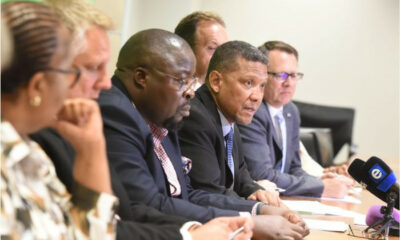
A dramatic showdown inside Johannesburg’s council chamber has once again exposed the fragile politics of running South Africa’s largest metro.
An extraordinary meeting of the City of Johannesburg council ended abruptly after councillors failed to approve the city’s 2025/26 operating adjustment budget largely due to fierce disagreements over a R1.35 billion increase in employee-related costs.
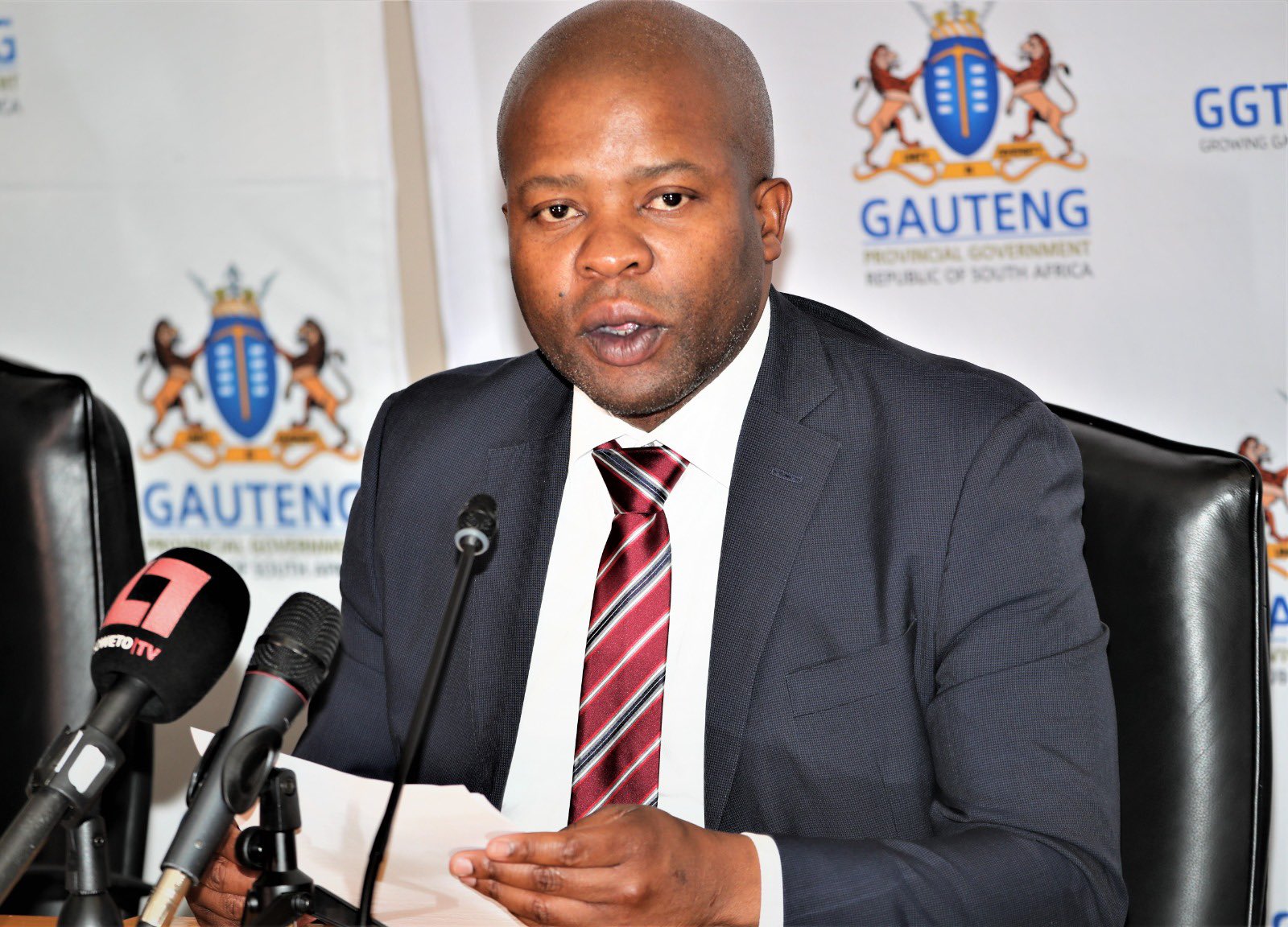
The collapse forced deputy mayor and finance MMC Loyiso Masuku to withdraw the proposal, leaving the city’s financial planning temporarily in limbo.
The vote that brought the meeting to a halt
The budget item required 136 votes to pass in the 270-seat council.
However, when the votes were counted, the numbers fell short.
Council speaker Margaret Arnolds confirmed that:
With the threshold unmet, the motion failed.
Moments later, Masuku withdrew the adjustment budget from the agenda.
In a pointed remark following the vote, Masuku told the South African Municipal Workers’ Union that opposition parties had effectively rejected the implementation of wage increases for municipal workers.
The comment triggered loud reactions from the council floor, as political tensions flared.
Why the wage bill sparked controversy
At the heart of the dispute is a R1.35 billion increase in employee-related costs, which critics argue could place further strain on the city’s finances.
According to opposition councillors, the adjustment pushes the municipality’s total wage bill to roughly R23 billion about 27% of the city’s operating revenue.
For some councillors, that figure raises serious questions about financial sustainability.
Matthew Cook of the GOOD Party pointed out that spending on employee costs had surged while funds allocated to contracted services were being reduced by more than R1 billion.
Others argued the increase could divert resources away from infrastructure projects and service delivery.
Opposition parties raise red flags
Several political parties voiced concerns that the city’s payroll was growing too quickly.
Saseka Zitha from the Economic Freedom Fighters acknowledged the importance of treating municipal workers fairly but warned that the wage bill should not grow at the expense of critical services.
Meanwhile, Chris Santana from the Democratic Alliance said the increase risked pushing the municipality’s finances to an unsustainable level.
From the ActionSA, councillor Steven Nkonyeni criticised what he described as inflated salaries among some executives within municipal entities.
He argued that while ordinary workers deserve fair pay, the city must address large salary gaps within its leadership structures.
Similarly, Cornelis Boer of the Freedom Front Plus claimed the city had already overspent on salaries by R1.2 billion over the past six months.
ANC defends the increase
Supporters of the adjustment budget argued the additional spending was unavoidable.
Thapelo Radebe from the African National Congress said the wage increase stems from collective bargaining agreements negotiated between labour unions and local government representatives.
He stressed that the city was not arbitrarily raising salaries but honouring agreements with organised labour.
Radebe added that the adjustment helps ensure that essential workers including metro police officers, water technicians and emergency personnel receive fair pay for their work.
Masuku echoed this argument, saying the salary overspending had already been clearly included in the adjustment budget.
A city grappling with political gridlock
The collapse of the vote reflects the broader political challenges facing Johannesburg.
Over the past few years, coalition politics in the city have made major decisions increasingly difficult to pass.
With multiple parties sharing power and competing priorities, budget approvals often turn into intense political battles.
Residents watching from the sidelines and on social media have expressed growing frustration.
Many say political infighting is slowing down progress on urgent issues such as infrastructure maintenance, electricity reliability and water services.
What happens next for the budget
For now, the budget remains unresolved.
The council meeting has been adjourned and will resume on March 24 and 25, when councillors will attempt to revisit the issue.
Until then, the failed vote stands as another reminder of how complicated governing Johannesburg has become.
In a city where service delivery challenges are already mounting, the debate over the wage bill has become more than just a financial question it’s a test of whether political leaders can find common ground.