Sourced: X {https://x.com/TheTruthPanther/status/1975868777511243845?s=20}
“No smoke without fire”: Pressure mounts as police leadership contradictions surface
A system under scrutiny
In South Africa, conversations about policing often happen in bursts, after a major crime, a scandal, or a headline that forces the country to pay attention. Right now, that spotlight is firmly fixed on the upper ranks of the police service.
This week, tensions inside the South African Police Service spilled into the public domain once again, as lawmakers and senior officials clashed over allegations, authority, and accountability.
At the centre of it all is a growing sense that something deeper may be wrong, even if the full picture hasn’t yet come into focus.
“There are too many contradictions”
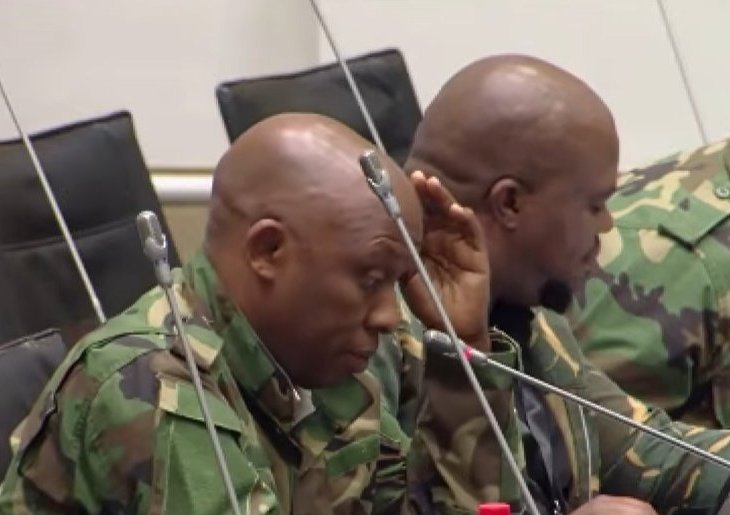
Speaking on the sidelines of a parliamentary ad hoc committee, David Skosana didn’t mince his words.
After listening to testimony from senior police officials, including National Commissioner Fannie Masemola, Skosana said the narrative simply doesn’t line up.
Different accounts, conflicting explanations, and unanswered questions have left MPs trying to piece together what really happened behind the scenes particularly around the disbandment of a key investigative unit.
For Skosana, the inconsistencies raise a red flag. In his view, they suggest that the allegations made by KwaZulu-Natal police commissioner Nhlanhla Mkhwanazi cannot be dismissed outright.
His takeaway? There’s “no smoke without fire.”
The fallout from a disbanded task team
Much of the controversy centres on the now-disbanded Political Killings Task Team, a unit that had been investigating politically linked murders, particularly in KwaZulu-Natal.
Masemola told the committee that suspended police minister Senzo Mchunu overstepped his authority by ordering the unit’s dissolution.
At the same time, Masemola clarified that while he allowed Mkhwanazi to brief the public on the unit’s work, he did not authorise him to present personal findings.
That distinction, technical as it may sound, has become a key point of tension in the broader debate about who said what, and who had the authority to act.
A bigger issue than one investigation
For many observers, this isn’t just about a single task team or one set of allegations.
It’s about trust in the institutions responsible for keeping South Africans safe.
Skosana pointed to what he described as “interference” across the broader security cluster including policing, justice, and correctional services.
If true, that suggests a systemic issue rather than an isolated one.
And that’s where the stakes rise.
Calls for accountability and consequences
One message coming out of Parliament has been clear: the allegations must be tested, not ignored.
Skosana emphasised the need for consequence management, saying that if wrongdoing is confirmed, those responsible must be prosecuted.
He also stressed that getting to the truth will require careful legal scrutiny not just political debate.
The committee is expected to hear further testimony, with Mkhwanazi set to return as a final witness.
The judiciary question
Interestingly, the conversation didn’t stop with the police.
Skosana raised concerns about the broader justice system, arguing that even when arrests are made, weak follow-through in the courts can undermine the entire process.
It’s a frustration many South Africans share, the sense that cases don’t always lead to lasting consequences.
“If we don’t fix the judiciary,” he warned, “we are wasting time with the police.”
Public reaction: frustration meets fatigue
On social media, reactions have ranged from anger to resignation.
Some users say the revelations confirm long-held suspicions about political interference in policing. Others question whether any real change will follow, pointing to past inquiries that produced reports but little visible action.
There’s also a growing fatigue, a feeling that South Africans have heard versions of this story before.
A moment that could define accountability
What happens next matters.
With the committee expected to conclude its work and submit findings, the focus will shift to whether those recommendations lead to real consequences or simply become another report filed away.
For now, the phrase “no smoke without fire” hangs over the proceedings.
It’s not proof. But it’s a signal, one that suggests the country may be looking at more than just allegations.
It may be looking at a system in need of a serious reset.