News
Cape Town Commuters Brace For Taxi Fare Pressure As Fuel Prices Climb
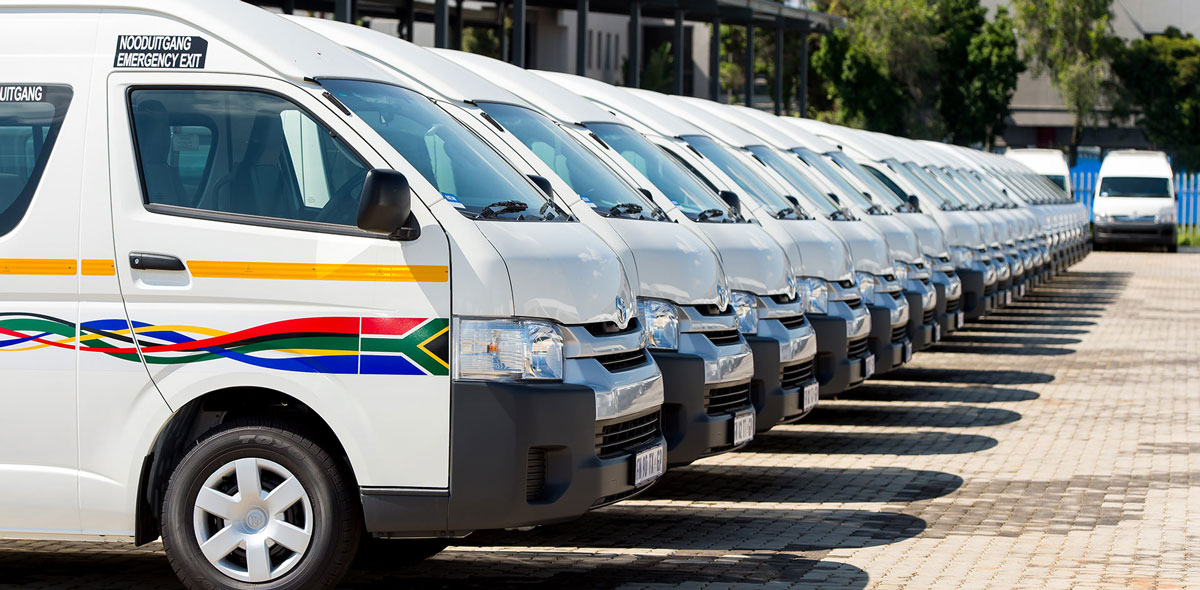
For thousands of Cape Town commuters, the daily taxi ride is more than just transport, it is a lifeline. But with fuel prices expected to spike again next month, that lifeline could soon come at a higher cost.
Across the city, taxi operators are already preparing for the knock-on effects of rising petrol prices. Some have started issuing notices warning passengers that fare adjustments could kick in from 1 April, a move that has left many commuters uneasy.
Pressure Builds On Both Sides
The reality is simple. When fuel goes up, everything else follows. For taxi drivers who already operate on tight margins, the pressure is immediate.
But for passengers, many of whom rely on taxis to get to work, school, or job interviews, even a small increase can stretch already fragile budgets.
In communities across Cape Town, where the cost of living continues to rise, transport is one of the first expenses people feel. A few extra rand per trip quickly adds up over a week or month.
A Community First Approach In Kensington And Factreton
Not every taxi association is rushing to raise prices.
The Kensington and Factreton Taxi Association has chosen to hold off for now, taking a more cautious and community-driven stance. According to spokesperson Peter Arendse, the decision reflects the economic reality facing both drivers and passengers.
The association recognises that many households are already under strain, with residents trying to make ends meet in a tough economic climate.
Instead of passing the pressure directly onto commuters, the group is opting to absorb the impact for the time being. It is a move that highlights how deeply intertwined taxi operations are with the communities they serve.
A Decision Still On The Table
That does not mean increases are off the table entirely.
Arendse confirmed that any potential fare adjustment will be discussed at the association’s annual general meeting in May. Importantly, the decision will not rest with leadership alone. Members, including drivers, will have a say.
This reflects how the taxi industry often operates, balancing business survival with community accountability.
Why Fuel Prices Hit Harder In South Africa
Fuel hikes tend to ripple quickly through South African life. From groceries to school transport, rising petrol costs push up prices across the board.
For a city like Cape Town, where many residents commute long distances between home and work, taxis remain one of the most accessible options. Unlike private transport, there is little room to absorb extra costs quietly.
That is why even the possibility of a fare increase sparks concern.
The Bigger Picture For Commuters
For now, commuters are in a wait-and-see moment. Some routes may see fare hikes as early as April, while others may hold off a little longer.
But the direction is clear. If fuel prices continue to climb, taxi fares are likely to follow.
And for many Capetonians, already juggling rent, food, and electricity, the daily trip to work may soon become just a bit more expensive.
{Source:EWN}
Follow Joburg ETC on Facebook, Twitter , TikTok and Instagram
For more News in Johannesburg, visit joburgetc.com