Just a few months ago, there was cautious optimism that South Africans might finally get some breathing room on interest rates in 2026. Now, that outlook is shifting and the pressure is building again.
According to the South African Reserve Bank, global tensions linked to the ongoing Middle East conflict are starting to ripple through the local economy. And for everyday South Africans, that could soon translate into higher borrowing costs.
Inflation Outlook Starts To Shift
The Reserve Bank says inflation is likely to tick up in the short term, even though it remains within its target range for now. The bank still expects inflation to average around 3.7 percent this year before settling back to its 3 percent target by late 2027.
That might sound stable on paper, but the concern lies in what comes next.
Before the conflict escalated, inflation was sitting comfortably at 3 percent in February. Since then, rising oil prices and global uncertainty have changed the picture.
The Reserve Bank now warns that risks are leaning to the upside, meaning inflation could climb faster than expected depending on how the situation unfolds internationally.
Why Oil Prices Matter At Home

For South Africans, global oil shocks are never just headlines. They hit close to home through fuel prices, transport costs and ultimately the price of food and essentials.
If oil prices remain elevated, especially above the $97 per barrel mark highlighted by the Reserve Bank’s severe scenario, inflation could spike sharply. In that case, the country may struggle to meet its inflation targets within the expected timeframe.
This is where interest rates come in.
Two Interest Rate Hikes Now Expected
Markets are already adjusting to the new reality. Instead of anticipating rate cuts this year, expectations have flipped toward two possible interest rate hikes of 25 basis points each.
That is a significant shift from earlier in 2026, when easing inflation had opened the door for cuts.
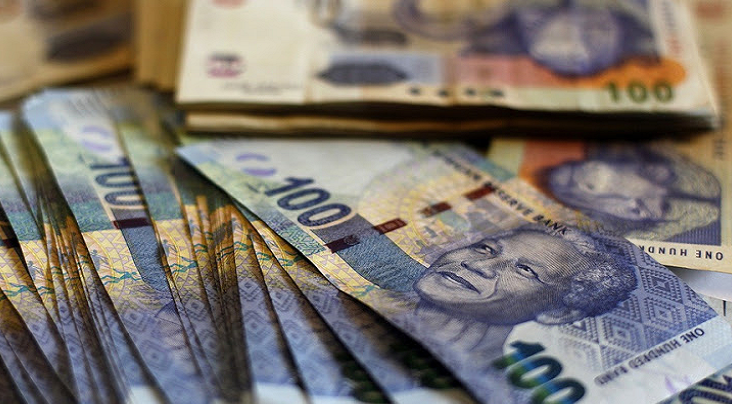
The Reserve Bank has so far held its key repo rate steady at 6.75 percent throughout the year, following a small reduction in November 2025. But with risks mounting, the window for keeping rates unchanged may be closing.
South Africa In A Better Position Than Before
There is some reassurance in the Reserve Bank’s outlook. Officials say the country is better equipped to handle this kind of shock compared to the 2022 energy crisis.
A lower inflation target and ongoing fiscal discipline have helped stabilise the economy and reduce risk levels. That means while the pressure is real, it may not spiral out of control.
What This Means For Your Wallet
For households already feeling the squeeze from rising fuel and food prices, even a small interest rate hike can have a noticeable impact.
Bond repayments, car finance and credit costs could all edge higher. And for businesses, borrowing becomes more expensive, which can slow down growth and hiring.
In short, while South Africa is holding steady for now, the global picture is starting to dictate the next move.
And if the conflict drags on, the cost of living conversation at home is about to get a lot more serious.