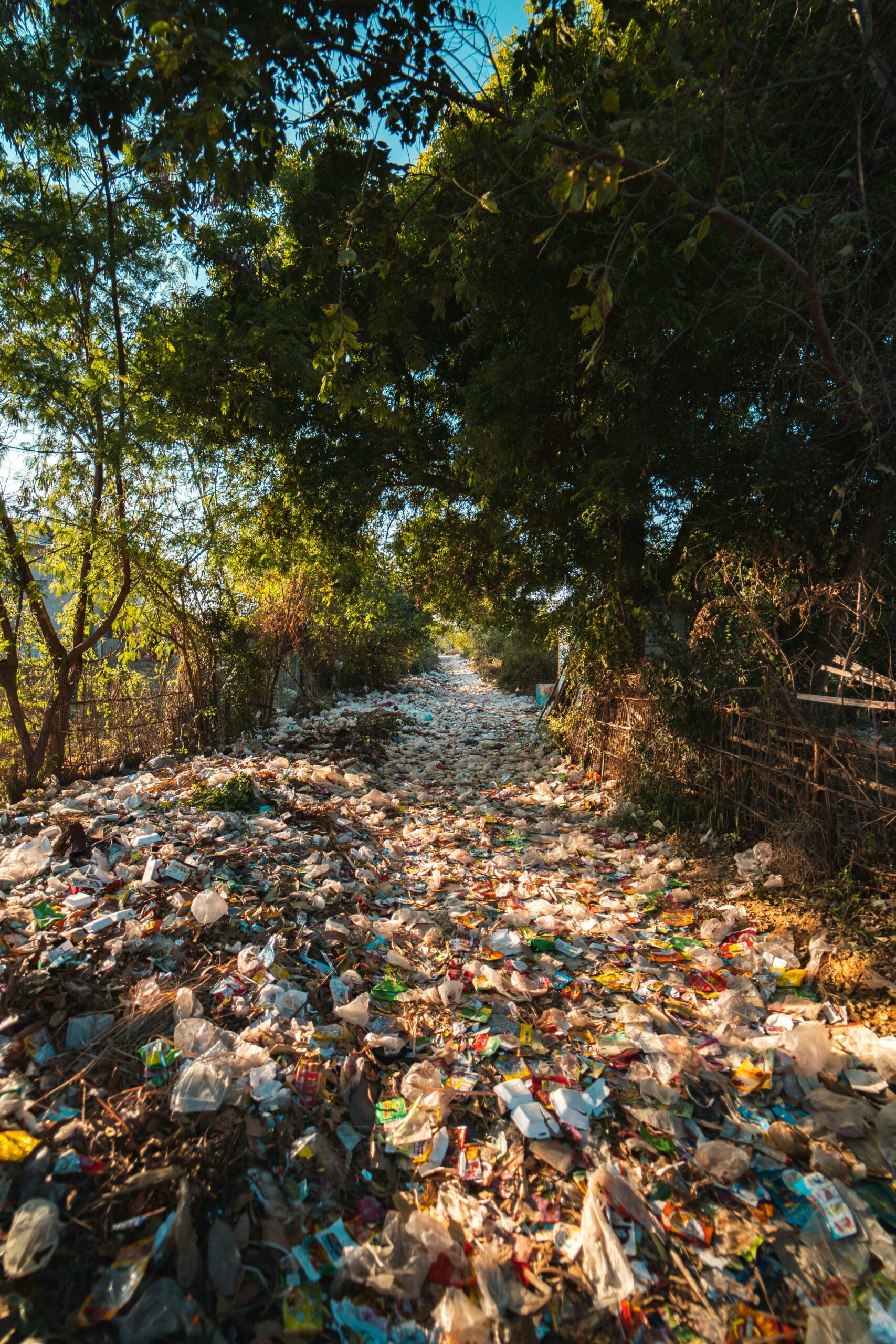
The water in Rietvlei Dam looks wrong. It smells wrong. And for the residents of Tshwane who depend on it, the effects are unmistakable. Since last year, the metro has been unable to extract water from this abundant natural source for purification and distribution. A dam that should be a vital part of the city’s water supply has become a symbol of systemic failure.
The pollution choking Pretoria’s Rietvlei Dam is not a sudden event. It is the predictable outcome of South Africa’s collapsing wastewater systema crisis that experts warn will only worsen without proper funding, maintenance, and oversight.
The Source of the Problem
DA Tshwane mayoral candidate Cilliers Brink recently visited the point where the Hartebeestfontein wastewater treatment plant in Ekurhuleni discharges effluent into the Rietvlei River. What he found confirmed his concerns.
“The poor quality of the effluent discharged into the river remains a major cause of pollution of the Rietvlei Dam,” Brink said.
The Hartebeestfontein plant is supposed to treat wastewater to acceptable standards before releasing it into the river system. Instead, it is discharging effluent so polluted that it has rendered a major dam unusable. The water that flows from that plant into the river eventually reaches Rietvlei, carrying with it the contaminants that have shut down extraction.
The Political Response
Last month, Tshwane mayor Nasiphi Moya, along with Deputy Minister of Water and Sanitation David Mahlobo and MMC for utility services Frans Boshielo, made an oversight visit to the Rietvlei water treatment plant. Moya confirmed that the Ekurhuleni Water Care Company is conducting a rehabilitation programme at the dam, scheduled to conclude in Junecoinciding with the plant’s own rehabilitation.
Moya also explained why the plant was shut down: a sewage spill upstream contaminated Rietvlei Dam, the source of water supply for the plant. While capacity is being upgraded, the plant remains offline.
But Brink is skeptical of quick fixes. “ANC deputy mayor Eugene Modise claimed Rietvlei can be rehabilitated in a few months. Judging from the state of pollution, the project to fix Rietvlei will be far more complicated.”
He argues that Tshwane must explore multiple technical solutions because the dam holds strategic value. “It holds the potential to make Tshwane significantly more independent from bulk water suppliers.”
The National Crisis
Ferrial Adam, executive director of WaterCAN, offers a broader perspective. The pollution of Rietvlei Dam, she says, is not new. It is the predictable outcome of a national wastewater crisis that has been ignored for years.
“Across South Africa, around 70% of wastewater treatment works are in a critical state and nearly 60% of our rivers are classified as threatened,” Adam said.
These are staggering numbers. Seven in ten treatment plants are failing. Six in ten rivers are at risk. The implications extend far beyond one dam in Pretoria. They touch every community that depends on rivers for water, every ecosystem that relies on clean flow, every industry that needs reliable supply.
“What we are seeing at Rietvlei is not an isolated failure,” Adam emphasized. “It is part of a systemic collapse in how municipalities manage wastewater and protect our water resources.”
The Political Framing
Adam expressed frustration at how the crisis is being framed, particularly in an election year. “It was deeply frustrating to see this framed as a political revelation,” she said.
The temptation to assign blame is strong. Opposition parties point to governing failures. Incumbents promise fixes. But the problem is deeper than any single administration. Years of underinvestment, skills shortages, and neglect have created a situation where even the best-intentioned officials struggle to keep systems running.
Rietvlei Dam is not an anomaly. It is a symptom.
What Rehabilitation Means
The rehabilitation programme at Rietvlei involves multiple components. Cleaning the dam itself. Upgrading the treatment plant. Addressing the upstream sources of pollution. Each is complex. Each requires funding, expertise, and time.
The June deadline is ambitious. Whether it can be met depends on factors beyond any single actor’s control. The condition of the infrastructure. The availability of skilled personnel. The cooperation of upstream municipalities. The weather.
Even if the dam is restored, the underlying problem remains. Wastewater treatment plants across the country are failing. Rivers are deteriorating. Until that systemic issue is addressed, Rietvlei will remain vulnerable.
The Strategic Importance
Brink’s point about independence from bulk water suppliers is worth considering. Tshwane currently relies on Rand Water for a significant portion of its supply. That dependence comes with costs, vulnerabilities, and constraints.
A rehabilitated Rietvlei could reduce that dependence, providing the metro with more control over its water future. But that potential means nothing if the dam remains polluted.
The Way Forward
Solving the Rietvlei crisis requires action at multiple levels. The immediate rehabilitation must proceed effectively. The upstream polluters must be held accountable. The wastewater treatment system must be strengthened so that future failures are prevented.
None of this is easy. All of it requires political will, technical capacity, and financial resourcesall of which are in short supply.
Adam’s warning should be heard clearly. The crisis at Rietvlei is not an isolated incident. It is a window into a national catastrophe unfolding slowly across South Africa’s water systems. If we do not act, more dams will follow. More rivers will die. More communities will lose access to clean water.
For now, Tshwane residents watch and wait. The rehabilitation continues. The June deadline approaches. And the water in Rietvlei Dam remains too polluted to use.