The Middle East is once again at the centre of global anxiety, with tensions between the United States, Israel and Iran spiralling into a conflict that is no longer contained to one region.
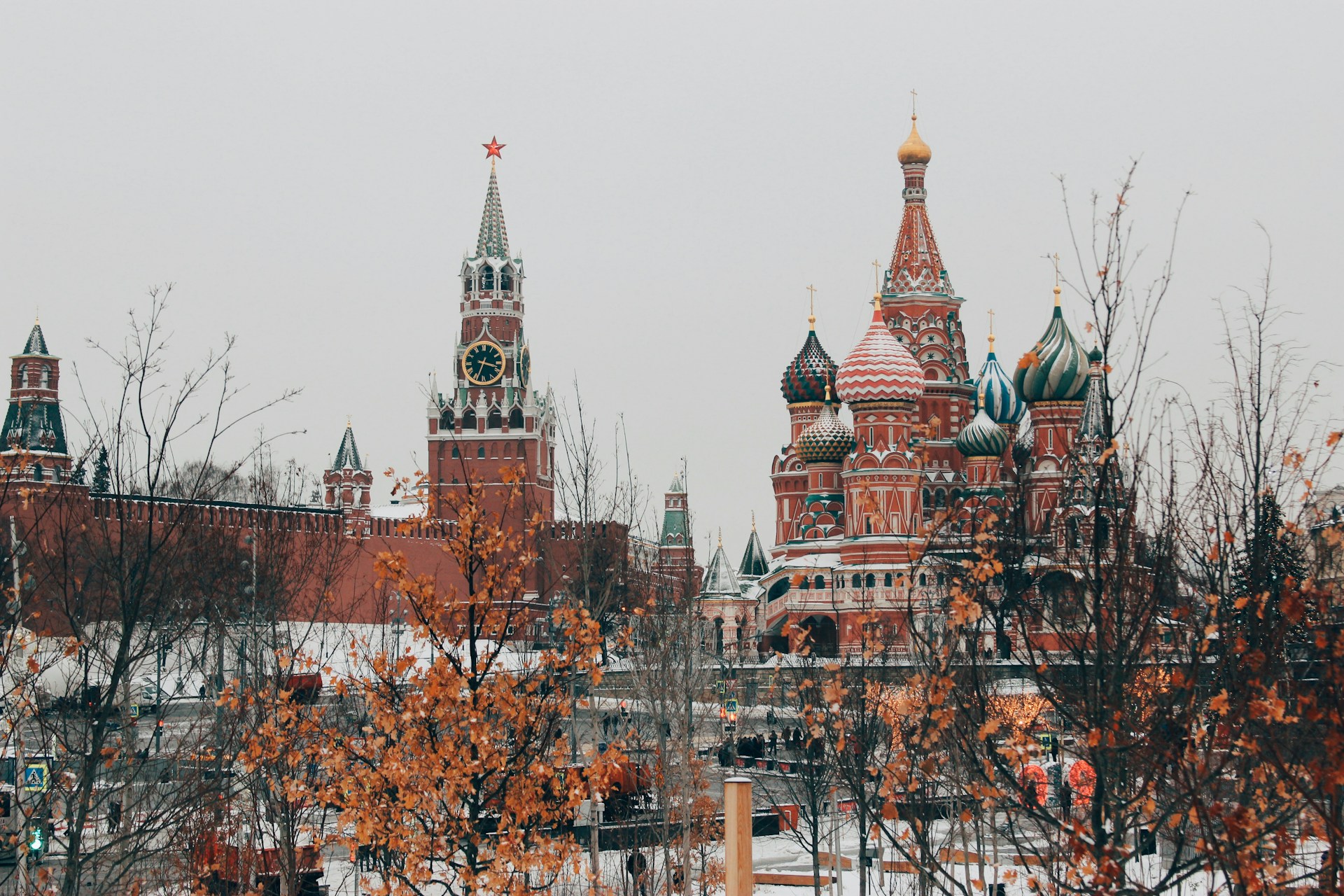
Russia has now stepped into the conversation, warning that the situation is rapidly deteriorating and could carry serious consequences far beyond the battlefield.
Russia Raises Alarm Over Escalation
Kremlin spokesperson Dmitry Peskov did not mince his words when addressing the latest developments. According to him, the conflict has effectively set the region “on fire,” with ripple effects already being felt globally.
He pointed out that what began as targeted military action has expanded into something far wider, dragging in multiple countries and armed groups across the Middle East.
Russia, which has positioned itself as a vocal critic of the military escalation, says it had warned from the outset that this path would lead to instability and economic fallout.
Trump’s Comments Add Fuel To The Fire
The situation took a sharper turn after Donald Trump issued a blunt and highly controversial demand to Iran, calling for the reopening of the Strait of Hormuz.
The waterway, one of the world’s most critical oil routes, has been largely restricted since late February, when the conflict intensified.
Trump’s aggressive tone and threats of targeting Iranian infrastructure have only deepened tensions, even as diplomatic channels appear fragile and uncertain.
Iran, for its part, maintains that the restrictions are selective, affecting shipments tied to the US and its allies rather than a full shutdown.
A Conflict Spreading Across Borders
What makes this moment particularly volatile is how quickly the conflict has spread beyond its original flashpoints.
Over the past few weeks, Iran has responded to strikes by launching missile and drone attacks targeting Israel and US-aligned Gulf states. At the same time, Israeli forces have expanded operations into Lebanon, while armed groups in Iraq and Yemen have joined the fray by targeting American bases and Israeli-linked interests.
This widening web of confrontation has turned what was once a contained standoff into a multi-front conflict, raising fears of a prolonged regional war.
Why The Strait Of Hormuz Matters
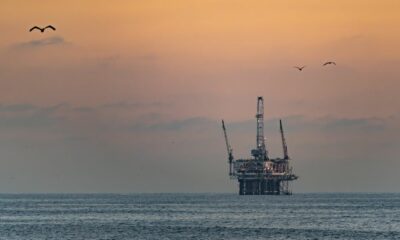
At the heart of the crisis lies the Strait of Hormuz, a narrow passage that carries a significant portion of the world’s oil supply.
Any disruption here has immediate global consequences.
For countries like South Africa, which rely heavily on imported fuel, instability in this corridor often translates directly into higher petrol prices. South Africans have already felt the pinch of global oil shocks in recent years, and another surge could hit households and businesses hard.
Global Economy Already Feeling The Pressure
The economic impact is no longer theoretical.
Oil and gas prices have surged in response to the uncertainty, sending shockwaves through international markets. For everyday consumers, this could mean rising transport costs, increased food prices and broader inflation pressures.
Peskov warned that these are exactly the kinds of consequences Russia had predicted, describing them as both dangerous and deeply negative for the global economy.
Ceasefire Talks Remain Uncertain
Amid the escalation, there are faint signs of possible diplomatic movement.
Reports suggest that discussions around a temporary ceasefire have taken place, with a potential 45-day pause being floated. However, Iran has denied that any direct talks with Washington are underway, casting doubt on how close any agreement might be.
Russia has reiterated its call for a halt to hostilities and has positioned itself as a potential mediator, though it remains unclear whether all parties are willing to come to the table.
A World Watching Closely
For now, the conflict shows little sign of slowing down.
What started as a regional confrontation is steadily evolving into a crisis with global consequences. From energy prices to geopolitical alliances, the effects are already being felt far beyond the Middle East.
And as tensions continue to rise, the question is no longer just about who controls the region, but how far the fallout will reach.