A quiet but significant shift in global migration is unfolding, and South Africa is right at the centre of it.
New data from the United States shows that almost every refugee admitted into the country in recent months has come from South Africa, a development that is raising eyebrows both locally and internationally.
Out of 4 499 refugees welcomed into the US since October 2025, a staggering 4 496 were South African. Only three came from elsewhere, all from Afghanistan.
It is a dramatic change from what the world has come to expect.
A Policy Turn That Is Turning Heads
Under former US president Donald Trump, refugee policy has taken a very different direction.
In contrast to the previous administration led by Joe Biden, which admitted around 125 000 refugees from dozens of countries in a single year, the current approach has narrowed its focus significantly.
Refugee admissions were largely paused before being reshaped to prioritise specific groups. Among them are Afrikaner South Africans, who US officials say qualify under a framework aimed at assisting people facing discrimination.
Washington has defended the move as both humanitarian and strategic. Critics, however, see it as selective and politically charged.
A Story That Feels Very Close To Home
For many South Africans, the idea of locals being resettled as refugees is both confusing and unsettling.
South Africa has long been seen as a destination for migrants rather than a source of refugee outflows on this scale. Historically, people fleeing conflict in other parts of Africa have sought refuge here, not the other way around.
This shift flips that narrative. It raises difficult questions about how the country is perceived abroad and how its internal challenges are being interpreted globally.
Diplomatic Relations Under Pressure
The fallout has not been limited to immigration statistics. Relations between Washington and Pretoria have taken strain.
Tensions escalated when former South African ambassador Ebrahim Rasool was expelled from the US after making controversial remarks linked to Trump’s rhetoric.
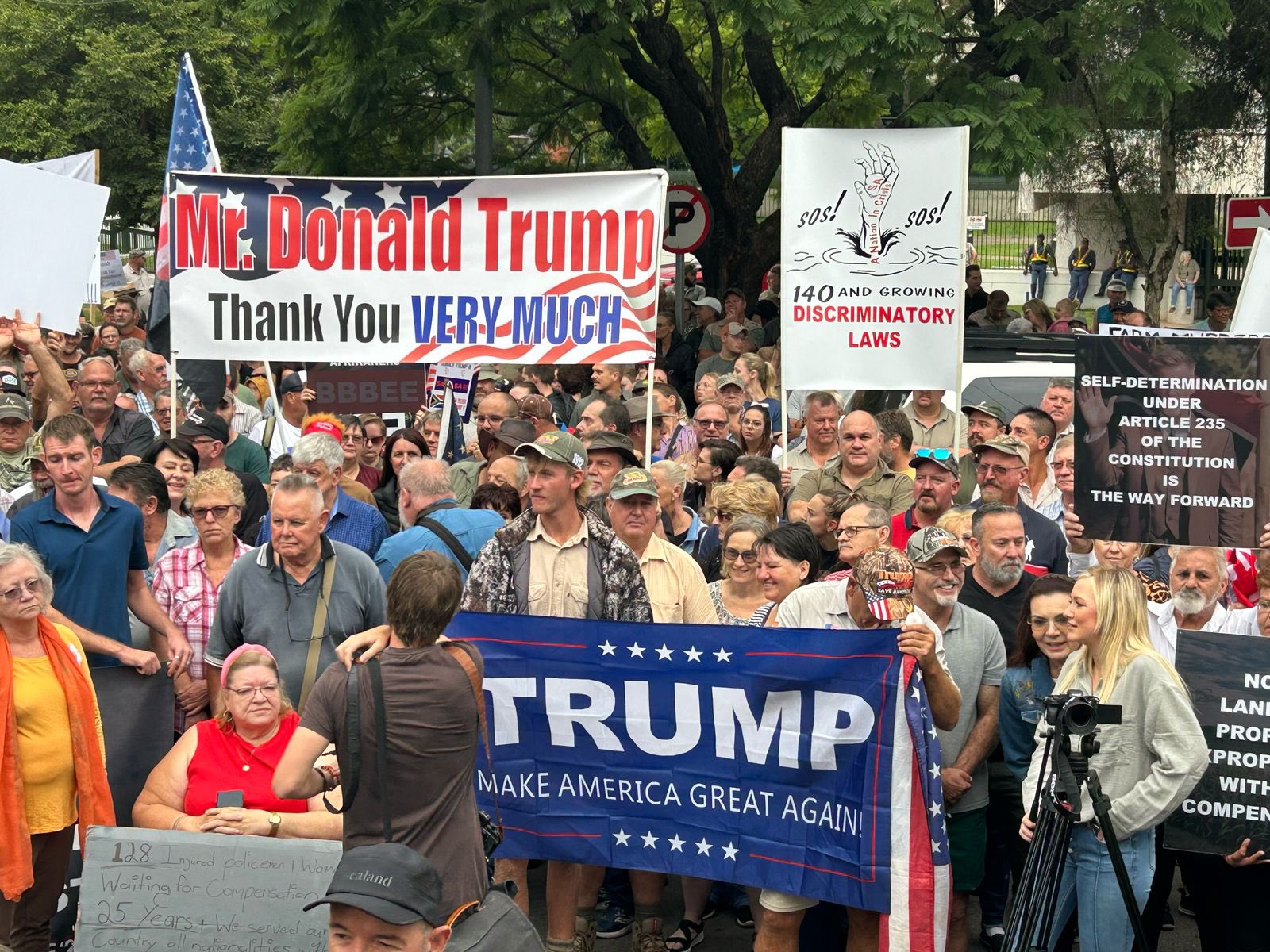
At the same time, Trump has repeatedly raised concerns about alleged persecution of white farmers in South Africa.
Those claims have been firmly rejected by Cyril Ramaphosa and the South African government, who insist there is no credible evidence to support the narrative of systematic targeting.
This difference in perspective has only deepened the divide between the two governments.
Numbers That Spiked In 2026
The resettlement programme did not start at this scale.
The first group of South Africans to arrive in the US last year was relatively small, just 68 people. But the pace picked up quickly.
In early 2026 alone, nearly 2 848 South Africans were resettled over just two months. That surge transformed what looked like a limited initiative into a full-blown policy shift.
Many of those relocating have reportedly settled in Texas, which has become a key destination for new arrivals.
What This Means Going Forward
This moment is about more than numbers. It reflects how global politics, perception, and policy can reshape migration patterns almost overnight.
For South Africa, it adds another layer to an already complex national conversation about crime, inequality, and identity.
For the United States, it signals a more targeted and controversial approach to refugee intake.
And for both countries, it is a reminder that diplomacy and domestic narratives are now more intertwined than ever.