Fake municipality claim rocks Tshwane as tender scandal deepens
A bizarre twist has emerged in the growing Tshwane corruption saga: investigators are now examining how a non-existent municipality, allegedly called the Matthew Phosa municipality, surfaced in conversations linked to a major security tender.
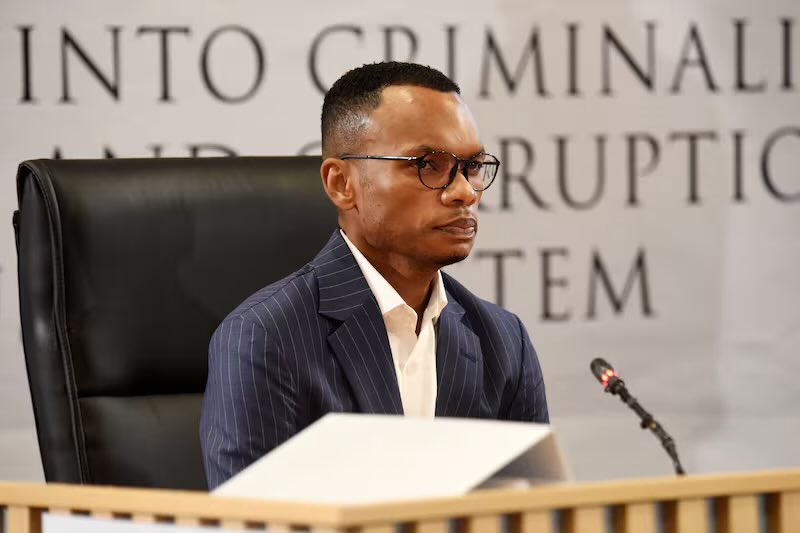
The name has no legal standing and does not appear anywhere in South Africa’s official municipal system. Yet it is now central to questions being asked at the Madlanga Commission, where City of Tshwane Chief Financial Officer Gareth Mnisi is expected to account for how such an entity became part of an alleged procurement plan.
For many South Africans used to hearing about inflated invoices and irregular tenders, this latest claim feels almost surreal a municipality that exists only on paper, if at all.
Why the fake municipality matters
At the heart of the matter is whether the so-called Matthew Phosa municipality was used as a front to influence or secure a lucrative contract.
Evidence presented to the commission reportedly links Mnisi and Sergeant Fannie Nkosi to discussions around tender processes, including shared bidder lists and internal procurement information.
If proven, it would suggest not just rule-breaking, but an attempt to manufacture legitimacy through a public body that simply does not exist.
That raises a bigger concern: if fake institutions can be casually referenced in tender circles, how vulnerable are procurement systems really?
Tshwane places senior official on suspension
Pressure on Mnisi has been building for weeks.
The Tshwane council previously held a special sitting and moved toward precautionary suspension as evidence mounted. He was given time to respond, but instead of addressing the allegations directly, his legal team reportedly challenged the process itself.
City management rejected those objections and proceeded with the suspension.
That decision signals a municipality trying to show firmness at a time when public trust in local government remains fragile.
Lifestyle questions add to scrutiny
The tender allegations are only one side of the story.
Mnisi is also under increasing scrutiny over reported wealth that appears difficult to reconcile with his stated monthly salary of around R124,000.
Evidence referenced before the commission and in previous court matters allegedly links him to a collection of luxury vehicles, including sports cars, SUVs and premium sedans.
Investigators are also looking into a property portfolio said to include around ten properties valued at roughly R36 million, alongside reports of regular first-class overseas travel.
Much of these assets are allegedly connected to family or business trusts established over several years.
Why this resonates with ordinary residents
For Tshwane residents dealing with potholes, billing disputes, power interruptions and service delays, stories like this hit a nerve.
Every rand tied up in corruption allegations is money the public believes should be fixing roads, maintaining infrastructure or improving safety.
On social media, reaction has been sharp. Many users joked that South Africa now has “ghost municipalities,” while others said the story reflects how brazen corruption has become.
Humour aside, frustration is real.
What the Madlanga Commission now faces
The commission is expected to probe two key questions:
Was the fake municipality part of a wider scheme?
Investigators will likely test whether this was an isolated idea or one piece of a broader network designed to manipulate tenders.
Where did the wealth come from?
Financial records, trust structures and asset ownership could become just as important as the procurement evidence itself.
A symbol of a larger governance crisis
South Africa has seen many corruption scandals, but this case stands out because of its symbolism. A fake municipality is more than an odd detail it represents what happens when systems weaken and accountability slips.
Citizens expect municipalities to provide services, not appear as fictional tools in tender disputes.
The Madlanga Commission now carries the task of separating fact from fiction, literally.
If the allegations are substantiated, the “Matthew Phosa municipality” may become shorthand for one of the most extraordinary procurement scandals in recent memory. And for Tshwane residents, it will be another reminder that cleaning up government is no longer optional.