News
Elon Musk demands sanctions as South Africa defends BEE laws
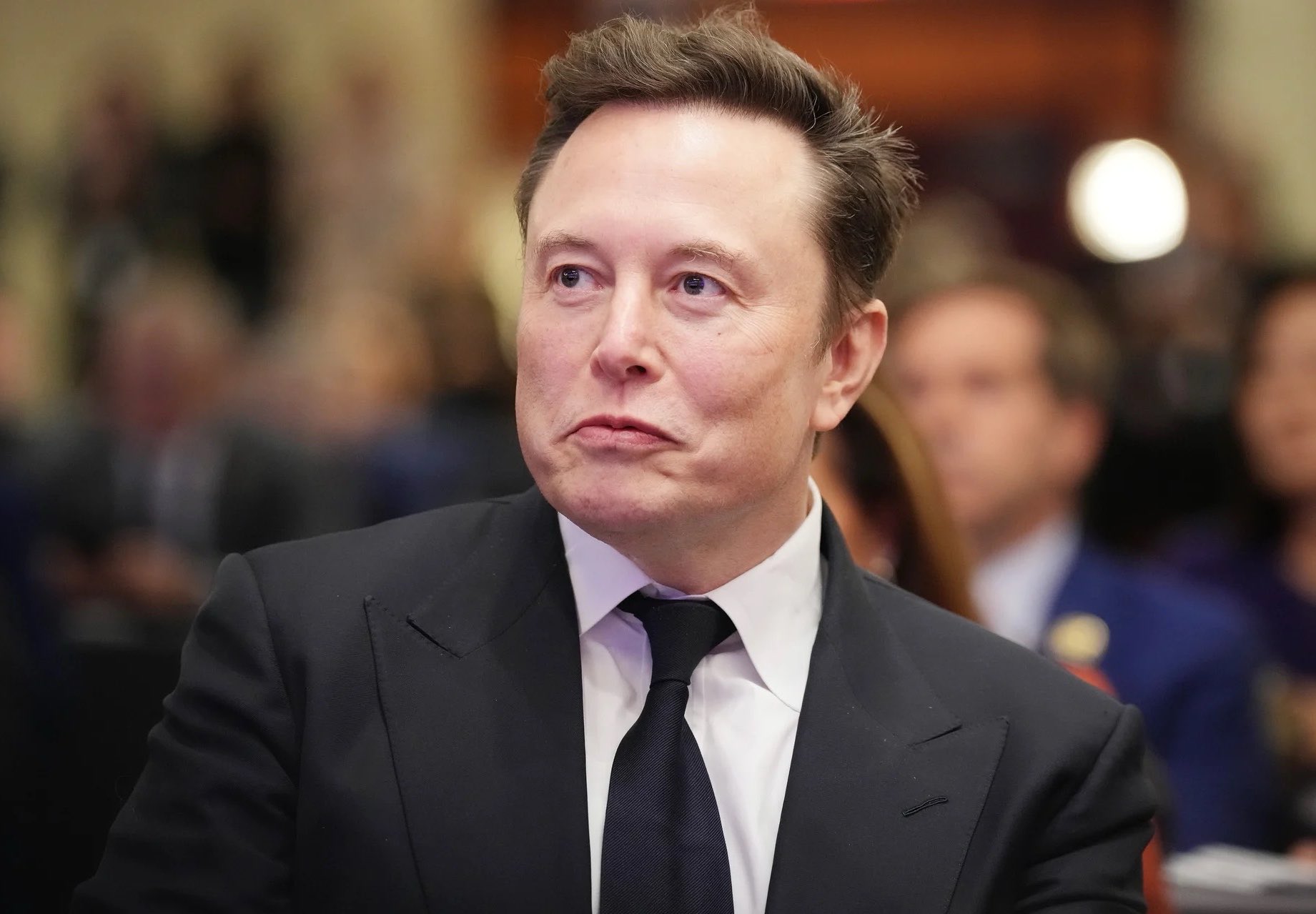
Elon Musk demands sanctions as South Africa defends BEE laws
A new global clash over South African policy
Elon Musk has reignited debate around South Africa’s economic transformation laws after calling for sanctions if the country does not change what he described as racist regulations.
The billionaire entrepreneur, who was born in South Africa, directed his criticism at Black Economic Empowerment policies and licensing rules that affect foreign companies entering sectors such as telecommunications.
His comments have once again placed one of South Africa’s most sensitive debates on the global stage: how to balance economic inclusion with investment growth.
Why Musk is angry
At the centre of the dispute is Starlink, Musk’s satellite internet service.
South African telecom rules require certain licence holders to meet ownership or empowerment criteria aimed at historically disadvantaged groups.
These groups include black South Africans, women, people with disabilities and communities excluded under apartheid-era systems.
Musk has argued that these requirements unfairly discriminate against companies controlled by white owners and discourage investment.
He also claimed Starlink faced pressure to use politically convenient local structures to gain approval, which he says he rejected.
What South Africa says
President Cyril Ramaphosa strongly rejected the accusation that empowerment laws are racist.
He said the policies are designed to address generations of exclusion and economic inequality created by apartheid.
According to Ramaphosa, South Africa’s Constitution allows measures that promote redress and wider participation in the economy.
He also pointed out that many multinational companies already comply through alternative mechanisms rather than direct equity transfer.
That means firms can contribute through enterprise development, education, skills training or community investment programmes.
Why BEE exists in the first place
To understand the tension, it helps to remember South Africa’s economic history.
When apartheid ended in 1994, political rights changed faster than ownership patterns. Much of the economy remained concentrated in the hands of a minority, while black South Africans were still excluded from capital, land, skills pipelines and executive leadership.
BEE was introduced as one way to open doors that had long been closed.
Supporters say without intervention, inequality simply reproduces itself.
Critics argue the system often benefits elites, creates bureaucracy and can scare off investors.
Both arguments have traction.
Why Starlink matters locally
This is not just a political argument. It is also about connectivity.
Many rural South Africans still struggle with unreliable internet, weak signal coverage and expensive data. Satellite broadband could help schools, clinics, farms and remote households gain faster access.
That is why some South Africans see the Starlink standoff as a missed opportunity.
Others argue access should not come at the cost of ignoring transformation laws that local companies must also follow.
Social media reaction sharply divided
Online reaction was immediate and familiar.
Some users praised Musk for challenging red tape and race-based policy design.
Others accused him of oversimplifying South Africa’s history and using global influence to pressure a sovereign state.
A third group focused less on ideology and more on practical questions: Can we just get affordable internet?
That may be where many ordinary citizens stand.
A deeper issue than Musk vs Ramaphosa
This dispute is really about two competing economic philosophies.
One side says markets work best with fewer ownership conditions and open competition.
The other says markets shaped by historic injustice need active correction.
South Africa continues trying to do both at once: attract investment while pursuing redress.
That balancing act is politically difficult and often messy.
Could sanctions ever happen?
Musk’s call for sanctions is dramatic rhetoric, but there is no sign of imminent international action tied to BEE policy.
Still, his voice matters. As one of the world’s most followed business figures, his comments shape perceptions among investors, media and policymakers.
Perception can affect confidence even without formal sanctions.
What happens next
If South Africa wants more investment and better connectivity, it may need clearer, faster and more predictable compliance pathways.
If global companies want access to the market, they will need to understand that post-apartheid transformation is not optional political branding here it is foundational policy.
Final takeaway
The clash between Musk and Ramaphosa is about far more than Starlink.
It is a window into modern South Africa’s central economic question:
How do you correct an unequal past without limiting future growth?
That debate is far from over.
{Source: My Broad Band}
Follow Joburg ETC on Facebook, Twitter , TikTok and Instagram
For more News in Johannesburg, visit joburgetc.com