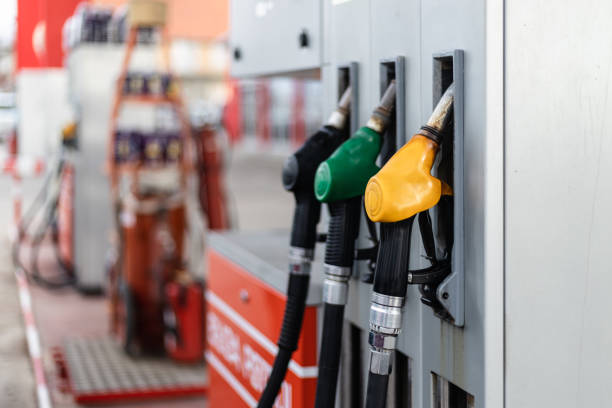

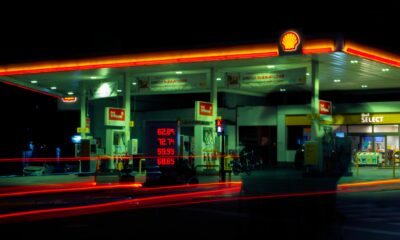
After a long weekend that likely saw many South Africans hitting the road, the reality waiting at the pumps may be far less relaxing. Early projections for May 2026 are pointing to another round of sharp fuel price hikes, and this time, the pressure is coming from far beyond local borders.
At the centre of it all is a growing global oil crisis that is starting to hit closer to home.
Why The World’s Oil Lifeline Matters To South Africa
The Strait of Hormuz might feel worlds away from Johannesburg or Cape Town, but what happens there has a direct line to your fuel bill. This narrow shipping route handles roughly a fifth of the world’s oil and gas supply.
Right now, that lifeline is under strain.
Ongoing tensions, including a United States naval blockade affecting Iranian-linked shipping, have disrupted traffic through the strait. Fewer oil tankers are making it through, and those that do face tight controls and delays. Others are turning back entirely or rerouting.
For a country like South Africa that imports most of its fuel, that disruption quickly translates into higher costs.
Shipping Chaos Is Quietly Driving Prices Up
It is not just the oil itself that is getting more expensive. The journey it takes to reach South Africa is becoming longer and far more costly.
Some shipping companies are now bypassing the Gulf entirely, opting for longer routes around the Cape of Good Hope. That means more fuel, longer delivery times, and higher operating costs.
On top of that, insurance premiums for vessels in high-risk zones have surged. Every extra cost along the way feeds into the final price paid at the pump.
This is how a geopolitical standoff thousands of kilometres away ends up hitting everyday South Africans.
Oil Prices Climb Past Key Levels
Global oil markets are already reacting.
Brent crude has climbed above $110 a barrel, with forecasts suggesting it could push even higher if tensions continue. Some analysts are warning of scenarios where prices reach between $120 and $125 per barrel.
Even talk of reopening shipping lanes has not calmed markets, as uncertainty around negotiations continues to hang in the air.
For now, high oil prices are no longer a short-term spike. They are starting to look like the new normal.
What This Means For South African Motorists
Back home, the impact is building.
South Africa’s fuel pricing model is heavily influenced by international oil prices and the rand-dollar exchange rate. With both under pressure, the outlook is not promising.
Current data shows growing under-recoveries, which usually signals increases in the next fuel price adjustment.
Here is the latest forecast for May 2026:
- Petrol 93: increase of 177 cents per litre
- Petrol 95: increase of 209 cents per litre
- Diesel 0.05%: increase of 542 cents per litre
- Diesel 0.005%: increase of 543 cents per litre
- Illuminating paraffin: increase of 460 cents per litre
If these projections hold, diesel users will feel the biggest pinch, with increases well above R5 per litre.
The Bigger Cost Of Fuel Hikes
Fuel price increases rarely stay at the pump. They ripple through the entire economy.
Higher diesel costs push up transport and logistics expenses, which in turn raises the price of goods on supermarket shelves. Food inflation tends to follow, and businesses often pass rising costs onto consumers.
For households already juggling high living costs, another fuel hike could tighten budgets even further.
A Fragile Outlook Ahead
There is still some uncertainty. Oil prices and exchange rates can shift quickly, and the situation in the Middle East remains fluid.
But even partial disruption in key shipping routes is enough to keep markets on edge. Without a clear resolution, elevated fuel prices could stick around for longer than many had hoped.
For now, South Africans may want to brace for a more expensive trip to the petrol station in the weeks ahead.