News
High-risk contacts face 42-day quarantine as hantavirus cases tracked after MV Hondius outbreak
Health authorities keep close watch after cruise ship-linked hantavirus cases
High-risk contacts of confirmed hantavirus patients are being quarantined and monitored for 42 days following their last exposure, the National Institute for Communicable Diseases (NICD) has said, as officials track cases linked to the cruise ship MV Hondius.
Who is being monitored and why
The NICD’s acting deputy director and head of the Centre for Emerging and Zoonotic HaParasitic Diseases, Dr Jacqueline Weyer, said monitoring is focused on people who had close and direct contact with infected patients because the virus spreads by that route. Medical staff who had such contact have been identified and are under observation.
“Medical staff at the front line often have close and direct contact with patients, and those who have had such contact have been identified and are being monitored,” Dr Jacqueline Weyer said.
Case numbers and contacts traced
Latest figures in reporting captured by Kimberly Panozzo from the University of Toledo show eight confirmed cases and three deaths, with 173 people suspected of having been exposed. Earlier reporting said authorities had traced 91 of 97 identified contacts following the initial identification of the outbreak on the MV Hondius.
Symptoms, treatment and travel advice
The NICD has urged the public to be alert for signs of Hantavirus Pulmonary Syndrome. Early symptoms can include fever, headache and muscle aches, while severe illness may involve shortness of breath and fluid in the lungs. The NICD warned there is no approved specific treatment or vaccine and said early intensive care and hospitalisation are important. The institute also stated that Ivermectin cannot cure or treat hantavirus.
International response and warnings
The World Health Organization’s director-general, Tedros Adhanom Ghebreyesus, urged countries to prepare for more cases and reiterated WHO advice, including a 42-day quarantine and ongoing monitoring of high-risk contacts. He said there were no signs of a larger outbreak at the time but noted the virus’s long incubation period could mean more cases might appear in the coming weeks.
“At the moment, there is no sign we are seeing the start of a larger outbreak, but of course the situation could change and, given the long incubation period of the virus, it’s possible we might see more cases in the coming weeks,” Tedros Adhanom Ghebreyesus said during a press conference in Madrid.
What happened aboard the MV Hondius
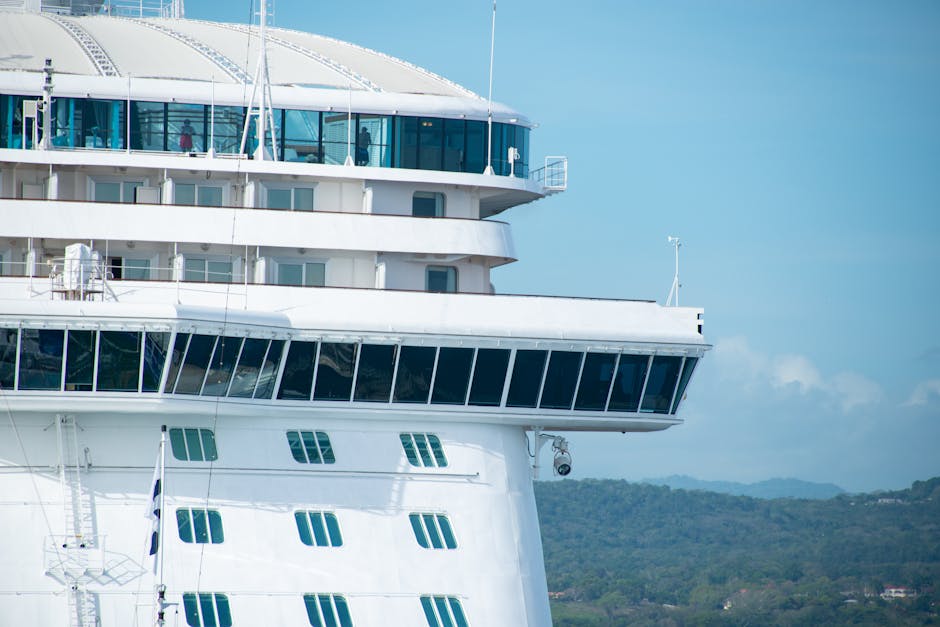
The outbreak was initially identified on the cruise ship MV Hondius. Reporting cited by The Guardian said a French woman who contracted the virus onboard had the most severe form of the disease and was placed on a ventilator. Spain accepted the ship to provide care for those affected.
What authorities are asking of the public
- Inform your health-care provider if you have travelled to hantavirus-endemic regions or had contact with a confirmed case.
- Be alert for early symptoms fever, headache and muscle aches and seek care if severe respiratory symptoms develop.
- Understand that close and direct contacts will be quarantined and monitored for 42 days from last exposure.
The situation remains under active surveillance by national and international health bodies as contact tracing and monitoring continue.
Follow Joburg ETC on Facebook, Twitter, TikTok and Instagram
For more News in Johannesburg, visit joburgetc.com
Source: citizen.co.za