News
Institute for Economic Justice warns government to curb anti-migrant violence ahead of June 30
The Institute for Economic Justice (IEJ) has warned that South Africa risks repeating dark chapters of its democratic history unless the government acts decisively against anti-migrant violence, hate speech and vigilante groups. The warning appears in a seven-page statement published by the IEJ titled They Are Us: Government Must Act Against Anti-Migrant Rhetoric and Vigilante Violence, and Urgently Address Socioeconomic Deprivation.
IEJ links anti-migrant rhetoric to broader socioeconomic collapse
The IEJ says public frustration over unemployment, poverty and deteriorating public services is being redirected towards migrants instead of the structural causes of South Africa’s economic crisis. The organisation wrote:
“Everybody wants, and has the right to, decent work, dignified public services, food, shelter, and safety,”
and added that while anger is understandable, it must not be used to justify violence.
Scope of attacks and who is targeted
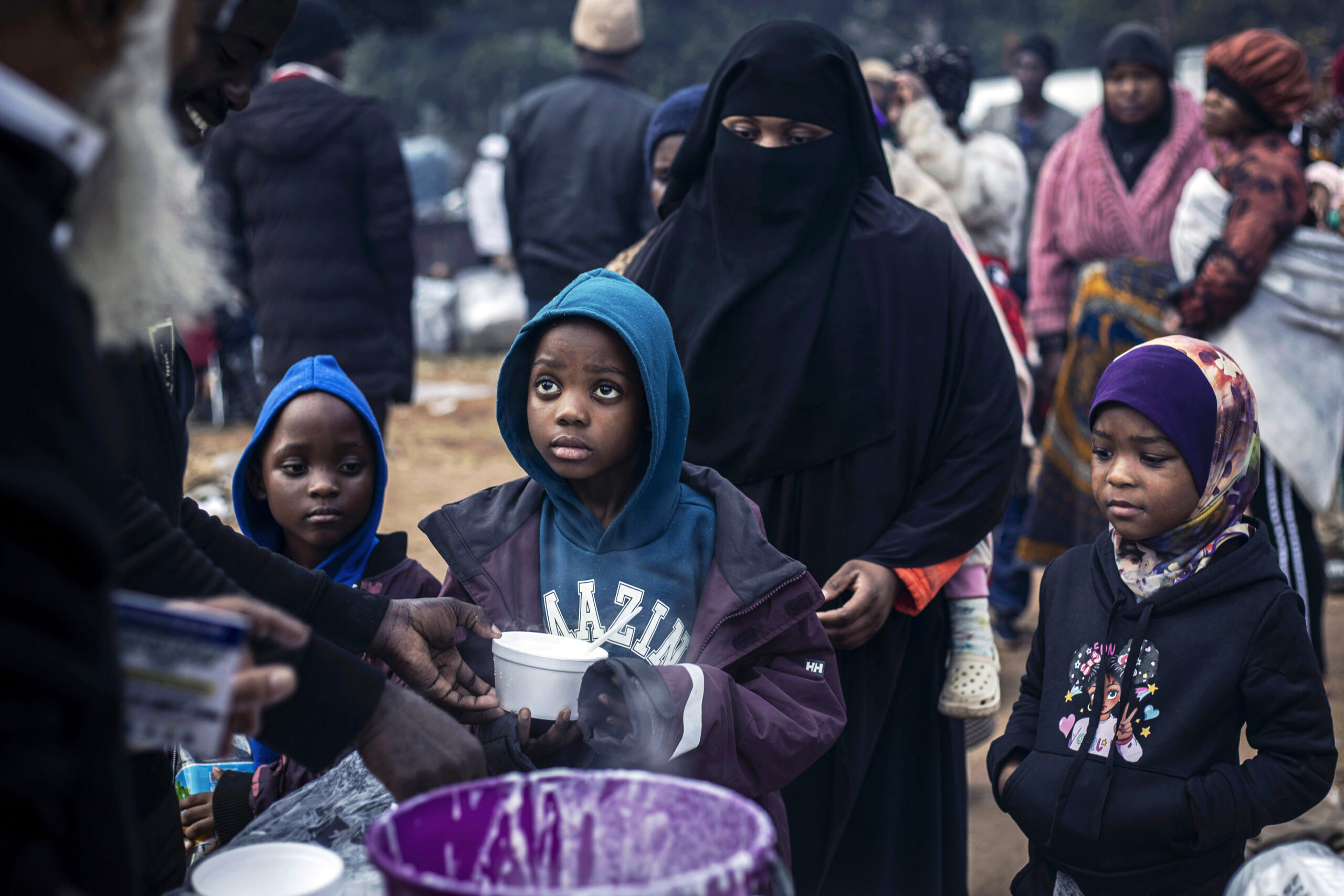
The statement says migrants in several provinces have faced intimidation, forced displacement, exclusion from schools and healthcare facilities, attacks on businesses and, in some cases, fatal violence. The IEJ argued that migrants of all legal statuses including asylum seekers, refugees and documented workers and some South Africans from minority ethnic communities have been targeted.
Groups and political mobilisation
The IEJ names groups including March and March and Operation Dudula, saying they have mobilised campaigns against migrants alongside political actors. The statement refers to calls by some leaders for undocumented foreign nationals to leave South Africa before 30 June 2026 and said:
“This is not law enforcement; it is an orchestrated attempt to manipulate and channel the anguish of impoverished communities for political gain, and to destabilise the country,”
the organisation said.
Economic context and past violence
To illustrate the economic pressures cited as fuelling anger, the IEJ highlighted South Africa’s expanded unemployment rate of 44% and said youth unemployment was approaching 70%. The statement also criticises years of fiscal austerity and notes about 150,000 public sector vacancies remain unfilled while social grants are insufficient to lift millions out of poverty.
The organisation warned that the country has already suffered devastating cycles of xenophobic violence. It wrote that 62 people were killed during the 2008 attacks, including 21 South Africans, and that more than 150,000 people were displaced. It also referenced the July 2021 unrest, saying it claimed more than 350 lives, damaged thousands of businesses and caused economic losses estimated at more than R100 billion.
Regional and diplomatic concerns
The IEJ said escalating anti-migrant hostility could damage South Africa’s diplomatic relationships across Africa, naming countries it said had supported South Africa’s liberation struggle. The statement added:
“The Pan-Africanist tradition and the ideals of Ubuntu laid the foundations for a democratic South Africa. This foundation is under attack,”
and warned that hostility could undermine South Africa’s leadership role within the African Continental Free Trade Area.
IEJ’s policy recommendations
The IEJ called on government to adopt a comprehensive response combining law enforcement with economic reform. Its recommendations include:
- Protecting everyone within South Africa’s borders from vigilante violence.
- Ensuring immigration enforcement complies with the Constitution.
- Enforcing labour laws against employers exploiting vulnerable workers.
- Expanding public employment programmes and strengthening social protection.
- Filling critical vacancies in healthcare, education and policing.
- Implementing pro-employment industrial and macroeconomic policies.
- Strengthening the criminal justice system to prosecute perpetrators of xenophobic violence.
- Improving regional migration cooperation.
- Creating legal pathways for long-term undocumented migrants to regularise their status.
Media responsibilities and concluding message
The IEJ urged media organisations to report responsibly, stating:
“The media should not amplify, legitimise, or normalise the narratives of anti-migrant formations,”
and argued reporting should focus on structural causes of inequality rather than inflammatory rhetoric.
In its closing argument the IEJ emphasised that blaming migrants will not solve the country’s problems:
“Poverty and unemployment will not be solved by driving Somalian shopkeepers from their stores. Hospitals will not be better resourced by turning away Malawian mothers from maternity wards. Jobs will not be created by burning down the enterprises of Ghanaian traders. Migrants struggle alongside South Africans, not at our expense.”
Follow Joburg ETC on Facebook, Twitter, TikTok and Instagram
For more News in Johannesburg, visit joburgetc.com
Source: iol.co.za