News
How baby savers work and the legal fight over leaving infants in a box
How baby savers (drop boxes) operate, the care pathway for infants left there, and the legal dispute after a Pretoria High Court hearing.
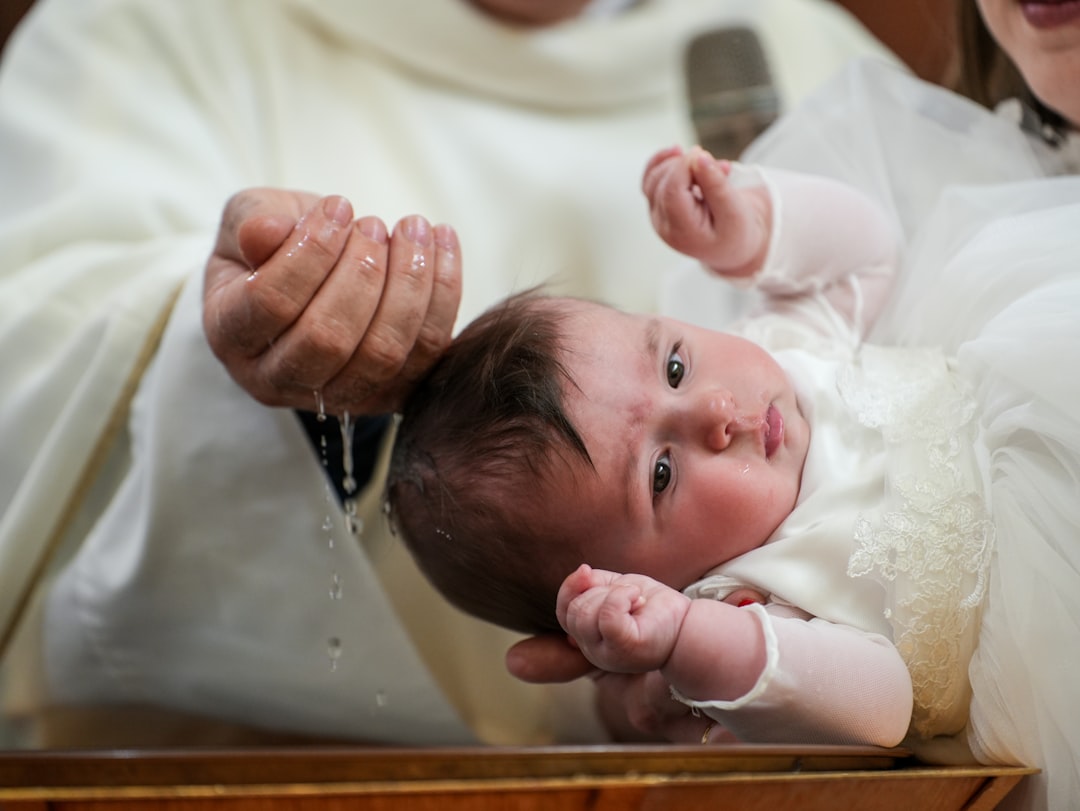
Built into the wall of registered places of safety, “baby savers” or infant drop boxes provide an anonymous, secure point where desperate mothers can leave newborns. Operators say the devices are intended as a last resort to prevent unsafe abandonment, while a recent court battle has brought the future of the savers into question.
What happens when a baby is left in a saver
The typical sequence described by operators begins when a mother places an infant inside a stainless-steel hatch. A pressure plate is triggered and a silent alarm reports the arrival to staff inside the facility. Responders unlock the hatch within minutes, remove the baby and begin immediate checks for medical conditions, injuries or signs of abuse.
If stable, the infant receives a medical check within 24 hours, is bathed and fed, and the arrival is referred to the Department of Social Development and a child protection organisation to start statutory processes.
An example of a note left with a child
Operators say some mothers leave messages. A partial text reproduced by the operators reads:
“I love you, my child. I am really broken, but I cannot give you the life that you deserve. I plead for your forgiveness. I chose not to abort and you really fought your way to be here, and God will turn your life story into a testimony. You will be the subject of my daily prayer that God will shower you with so much love. I may not physically be a part of your life, but I will be a part in other ways. I love you, my child,”
Organisers and where they operate
Door of Hope in Glenvista reports having received 301 babies through its saver since 1999, and the home has welcomed 1,940 infants through its doors in total. Operators layer alarms across multiple phones and a security company and check an online camera before opening the hatch.
Other registered places of safety with savers include:
- Rock of Hope in Pretoria, which activated its baby saver in June 2023 and has received eight newborns since then.
- Jeremiah’s Hope in Magalieskruin, which opened its saver in 2022 and has received 10 babies.
- New BeginningZ in Tshwane, which operates two savers and has received 15 babies in the past five years.
The operators’ view of risks and challenges
Operators say baby savers are intended to prevent unsafe disposal of infants. Citing a figure from Baby Savers South Africa, the article reports that such unsafe dumping kills two out of every three abandoned babies.
Those who run savers describe recurring problems with the state and the placement system. One operator said:
“Our biggest challenge would be the Department of Social Development, trying their utmost to criminalise the Savers.”
Another operator said the Department of Social Development deemed the Baby Savers illegal in 2023 and has not been referring babies to shelters with savers, and that some smaller shelters have been closed.
Operators also report difficulties when shelters are full, when Child and Youth Care Centres cannot accept children under three, and when there are questions about the nationality of a mother or child. One operator criticised proposals to prosecute mothers who used savers, saying such mothers had made an effort to relinquish a child safely rather than abandoning them.
Shared mission and the legal dispute
Operators describe a shared purpose of saving infants and speaking for those who cannot speak for themselves. One said the network gives them a platform to pursue legalisation of baby savers as an option for desperate mothers.
The issue reached the courts in a three-day hearing before a full bench of the Pretoria High Court in May, in a case for which judgment was reserved. The outcome could affect the future operation and legal status of baby savers in South Africa.
Voices from the savers
Door of Hope’s operations director and co‑founder said the saver allows babies to be removed within minutes and checked for medical issues. Other operators highlighted the networked support and the importance of the savers as a last resort for mothers.
How authorities respond and whether legislation or policy will change remain matters before the courts and the Department of Social Development.
Follow Joburg ETC on Facebook, Twitter, TikTok and Instagram
For more News in Johannesburg, visit joburgetc.com
Source: citizen.co.za