News
South Africa mobilises security as June 30 anti-immigration protests begin
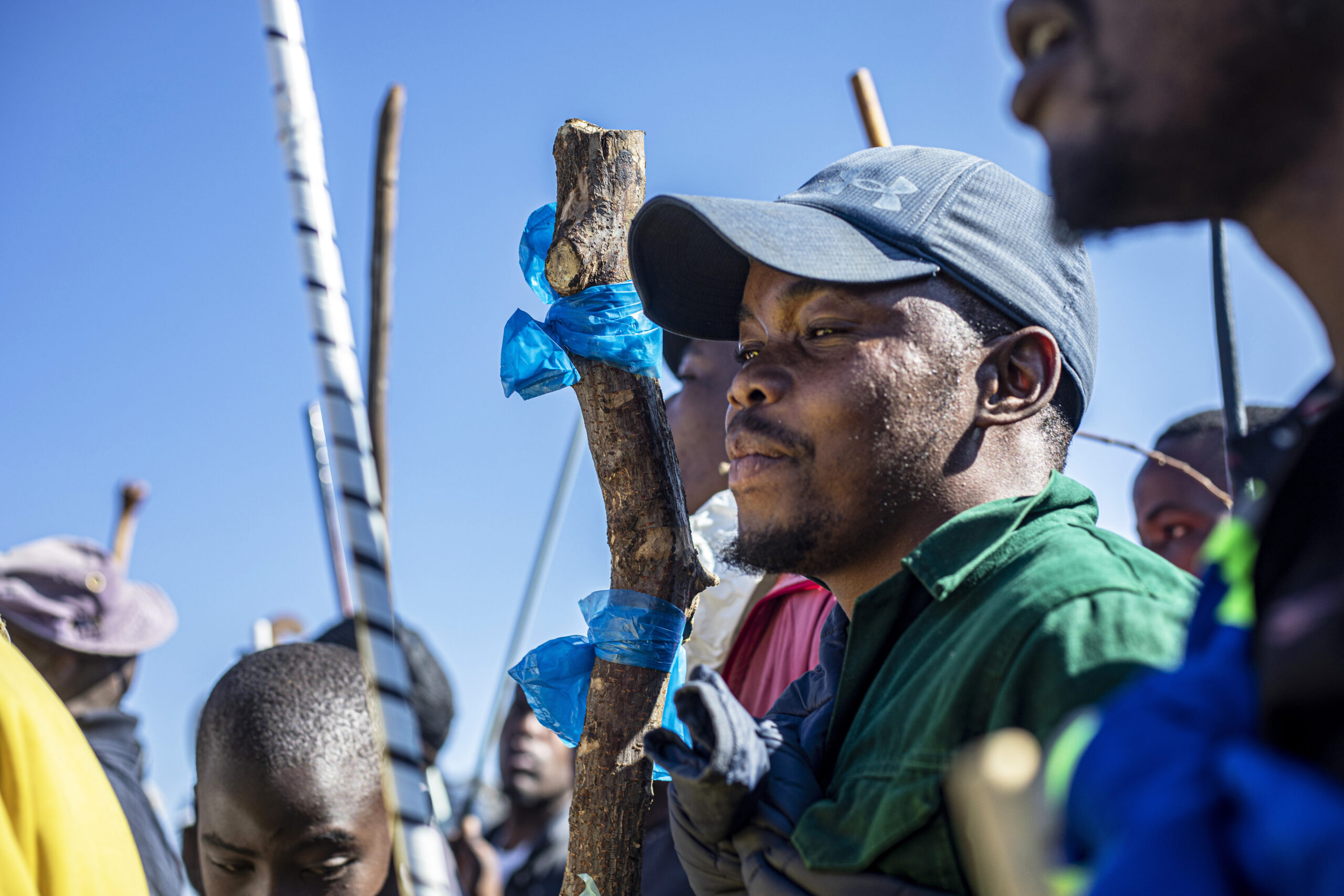
Law enforcement agencies and government leaders have moved to contain tensions as nationwide anti-illegal immigration protests begin on June 30. Organisers have framed the campaign around a self-imposed deadline for undocumented migrants to leave, while officials and rights groups warn of rising violence and displacement affecting migrant communities.
Who is organising the protests and what they demand
The demonstrations are led primarily by the March and March movement together with more than 20 allied organisations. Organisers have centred the campaign on a self-imposed June 30 deadline calling on undocumented foreign nationals to “self-deport.” At a media briefing in Midrand, March and March leader Jacinta Ngobese-Zuma said the demonstrations would be peaceful and that organisers did not support violence, looting or killings.
Government response: normal working day and security deployments
The government has repeatedly stated that June 30 is a normal working day. During an Inter-Ministerial Committee on Migration briefing, committee chairperson Mmamoloko Kubayi said schools, hospitals, clinics, businesses and public services would continue operating normally and warned that private citizens have no authority to demand identification documents or block access to public facilities.
President Cyril Ramaphosa said law enforcement agencies are prepared to maintain order. Acting Police Minister Firoz Cachalia issued a strong warning of “no tolerance” for vigilantism, xenophobic violence, intimidation or any attempts by private individuals to determine who may live in South African communities. Police, metro police, intelligence structures and private security companies have been mobilised, with Gauteng, KwaZulu-Natal, the Western Cape and the Eastern Cape identified as possible flashpoints.
Rising fears and humanitarian concerns
Despite organisers’ assurances, recent attacks linked to anti-migrant sentiment have already resulted in deaths and mass displacement. Aid organisations and diplomats have reported that thousands of Malawian, Zimbabwean and Mozambican nationals have sought assistance from their embassies or gathered at temporary camps while awaiting transport home. Humanitarian groups warn of overcrowded shelters and separated families, and many legally documented migrants, refugees and asylum seekers say they fear becoming targets.
Political and civic reaction
The campaign has prompted sharp political debate. Government leaders have condemned xenophobic violence while acknowledging challenges around undocumented migration and border management. Ramaphosa has said immigration enforcement must occur within the law and that everyone in South Africa is entitled to constitutional protection. Labour federations including COSATU, SAFTU and FEDUSA, along with several civil society organisations, have rejected calls for a shutdown and urged South Africans to defend constitutional democracy and reject violence.
What authorities are emphasising
- Enforcement belongs to the state: Officials stressed that private citizens cannot enforce immigration rules.
- Security deployment: Multiple law enforcement and intelligence structures have been mobilised ahead of the demonstrations.
- Humanitarian alarm: Aid groups and embassies are reporting displacement and overcrowded temporary shelters.
The situation remains fluid as the country observes the protests. Authorities and civil society groups continue to call for calm, legal enforcement of immigration policy and protection for vulnerable communities.
Follow Joburg ETC on Facebook, Twitter, TikTok and Instagram
For more News in Johannesburg, visit joburgetc.com
Source: iol.co.za