News
White bread could cost R45 a loaf by 2036, raising concerns for South African households
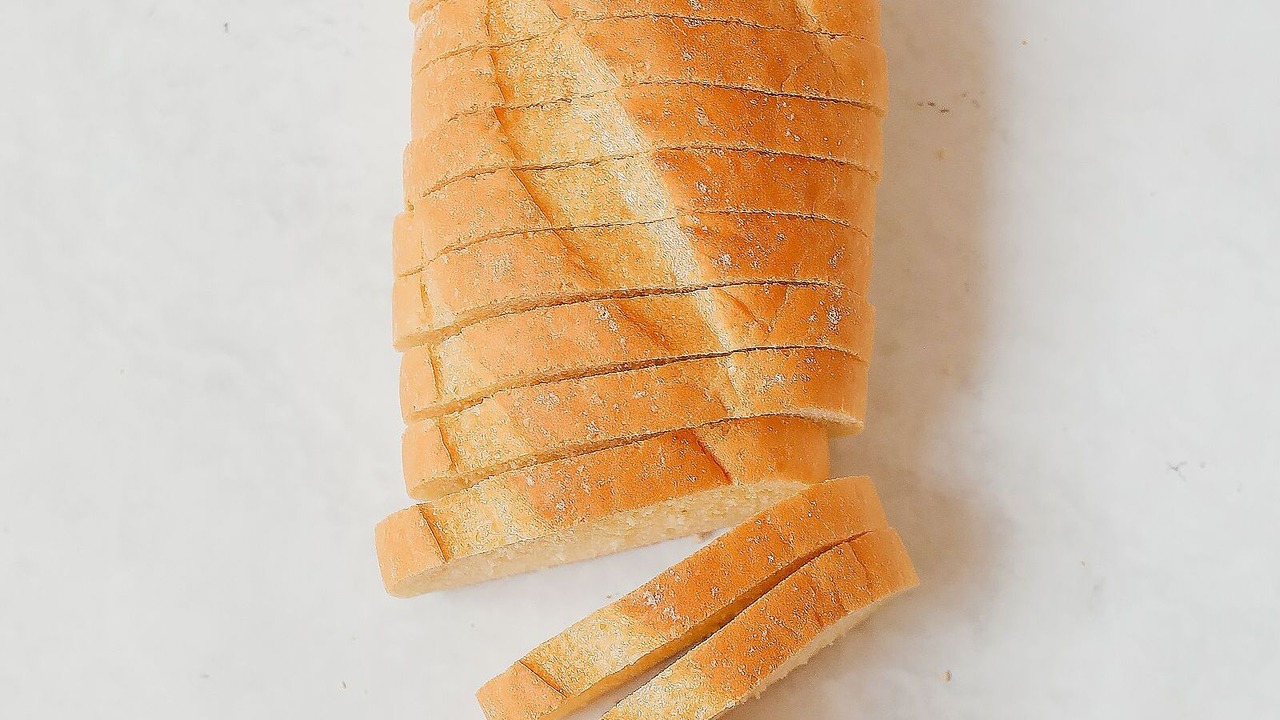
Data specialists predict that bread could become far more expensive over the next decade.
A new price projection suggests that a standard 700g white loaf could cost around R45 by 2036 under an upper-end pricing scenario. While that figure is not a prediction of what shoppers will definitely pay, it paints a picture of how years of gradual increases can eventually place real pressure on household budgets.
According to an analysis by digital data specialists SEO Backlinks, the projection was based on historical South African price data for a standard white loaf.
The research estimates that if bread prices continue rising at the highest average annual rate observed in the available data, today’s everyday staple could end up costing more than twice the current average price within the next 10 years.
The latest comparable urban average recorded for May 2026 was R19.61, up from R18.93 a year earlier. Although overall food and non-alcoholic beverage inflation slowed to 1.9% in May, the price of white bread still increased 3.6% compared with the same period last year.
For families who buy bread several times a week, even relatively small annual increases can quickly add up over time.
The analysis compared historical prices for the same standard 700g white loaf, using a December 2019 average of R13.51 and a July 2024 average of R18.68. From those figures, researchers calculated an average annual increase of about 7.7%. Applying that growth rate each year until 2036 results in a projected price of approximately R45.26, rounded to R45.
Researchers stressed that the figure represents an upper-end scenario rather than a guaranteed future retail price. Different inflation patterns, agricultural conditions, exchange rates and production costs could all influence what consumers ultimately pay.
Unlike luxury items that consumers can easily avoid, bread remains one of South Africa’s most frequently purchased food products. Whether it’s school lunchboxes, breakfast or evening meals, many households rely on several loaves every week.
That means even modest price increases have a cumulative effect over the course of a month.
Daniel Weston, founder of SEO Backlinks, said the exercise was intended to highlight the long-term impact of repeated price increases rather than predict future supermarket prices. ‘At R45, bread would take a much bigger bite out of routine food budgets, especially for larger families.’
‘The point of the projection is not to claim the price is certain, but to show how repeated annual increases can build into a serious household cost over time.’
– Daniel Weston, SEO Backlinks Founder
Food prices continue to be one of the biggest financial pressures facing South African consumers, despite inflation easing from the highs experienced in recent years. Rising electricity costs, transport expenses and higher production inputs continue to influence the price of everyday essentials sold on supermarket shelves.
Follow Joburg ETC on Facebook, Twitter, TikTok and Instagram
For more News in Johannesburg, visit joburgetc.com
Featured Image: Polina Tankilevitch / Pexels