As South Africa continues to debate immigration, border control and recent repatriation efforts, another question has moved into the spotlight: Can migrants legally receive healthcare in South Africa?
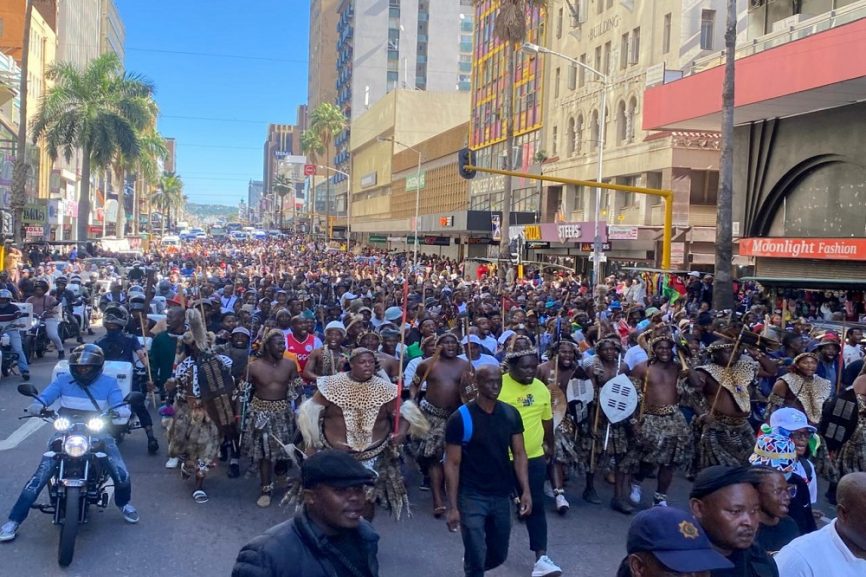
The issue has gained renewed attention following recent anti-migrant tensions and the establishment of temporary repatriation processing centres in Musina. While public opinion remains divided, South Africa’s legal framework offers a clearer picture of who is entitled to medical careand under what circumstances.
Here’s what the law says.
The Constitution protects access to healthcare
South Africa’s Constitution does not limit access to healthcare services to citizens alone.
Section 27 states that “everyone has the right to have access to healthcare services,” making the protection broader than citizenship.
The Constitution also guarantees that no person may be refused emergency medical treatment, regardless of their nationality or immigration status.
In practice, this means constitutional protections extend beyond South African citizens to include recognised refugees, asylum seekers and, in certain situations, undocumented migrants.
Emergency treatment cannot legally be refused
One of the clearest protections in South African law relates to emergency medical care.
Hospitals and clinics may not refuse treatment to someone experiencing a medical emergency simply because they do not have South African identity documents or valid immigration papers.
Emergency care generally includes life-threatening illnesses or injuries that require immediate medical attention.
This constitutional protection applies irrespective of a person’s legal immigration status.
Refugees and asylum seekers have recognised rights
People who have been formally recognised as refugees generally enjoy access to public healthcare services similar to that of South African citizens under the Refugees Act.
Asylum seekers whose applications are still being processed are also entitled to healthcare while they remain lawfully in the country.
These protections recognise that people seeking refuge should continue receiving essential healthcare while their legal status is being determined.
What about undocumented migrants?
The legal position becomes more complicated when dealing with undocumented migrants.
Although immigration legislation governs whether someone is lawfully present in South Africa, it does not automatically remove constitutional protections.
The Department of Health has previously instructed public healthcare facilities not to deny essential healthcare solely because a patient lacks documentation.
However, rights groups have reported instances where migrants have allegedly been turned away or asked to produce immigration documents before receiving treatment.
Those reports continue to fuel debate about whether constitutional protections are always being implemented consistently on the ground.
HIV, TB and maternal healthcare remain a priority
South Africa’s public health policies place particular emphasis on diseases where interruptions in treatment could have wider public health consequences.
Government programmes continue to support treatment for conditions such as:
HIV
Tuberculosis (TB)
Maternal healthcare during pregnancy
Maintaining uninterrupted access to antiretroviral treatment (ART) and TB medication is regarded as essential, both for individual patients and for preventing wider transmission of infectious diseases.
Children also receive additional constitutional protection.
Section 28 of the Constitution guarantees every child the right to basic healthcare services, regardless of nationality.
Health organisations warn against treatment interruptions
Healthcare advocacy groups have raised concerns that recent displacement of migrants could interrupt treatment for chronic illnesses.
Healthcare Workers Against Xenophobia (HCWAX) argues that denying or disrupting access to medical care undermines constitutional protections and places vulnerable patients at risk.
The organisation has also pointed to a recent Constitutional Court judgment, saying it reinforces constitutional protections that apply during immigration enforcement.
International humanitarian organisation Médecins Sans Frontières (MSF) has similarly expressed concern about maintaining continuity of care for patients receiving treatment for HIV, TB, diabetes and hypertension.
Medical experts warn that interrupted treatment may lead to poorer health outcomes while increasing broader public health risks.
Immigration enforcement and healthcare rights
The Department of Home Affairs maintains that repatriation operations are being conducted within the law while respecting humanitarian obligations.
At the same time, healthcare organisations argue that immigration enforcement should never prevent individuals from accessing essential medical services guaranteed by the Constitution.
That tension is likely to remain part of South Africa’s broader immigration debate.
Why this matters
Healthcare access is often discussed alongside immigration policy, but South African law treats the two issues differently.
Immigration laws determine a person’s legal status in the country.
The Constitution, however, protects certain fundamental rights that apply to everyone, including access to healthcare services and protection against being refused emergency medical treatment.
As South Africa continues balancing border management with constitutional obligations, healthcare is expected to remain one of the most closely watched legal and humanitarian issues in the national conversation.