News
Ramaphosa’s decision to withhold Madlanga interim report draws transparency criticism
Ramaphosa says the Madlanga Commission’s second interim report will be published only at the inquiry’s end, prompting concerns about transparency and political shielding.
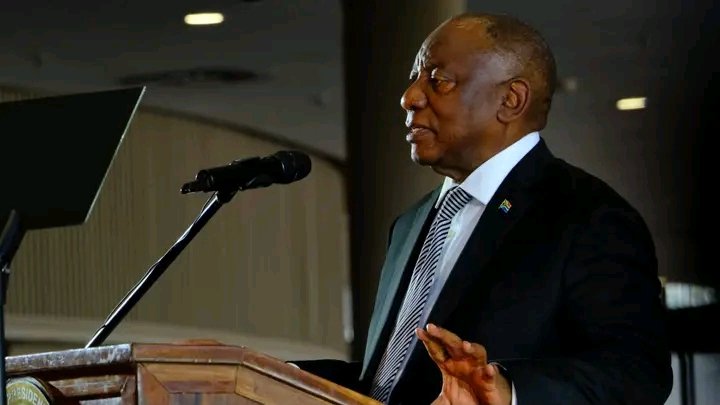
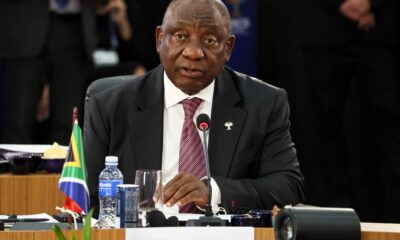
President Cyril Ramaphosa has told the public that the names and findings in the Madlanga Commission’s second interim report will not be released until the inquiry concludes, a stance that has prompted criticism from political parties and analysts concerned about transparency.
What the withheld report contains
Retired Justice Mbuyiseli Madlanga, chair of the commission, delivered the second interim report to Mr Ramaphosa on May 29, 2026. The report reportedly focuses on alleged corruption within the South African Police Service and several metropolitan police departments, and includes material on major drug busts.
The report specifically references the Ekurhuleni Metropolitan Police Department and the Tshwane Metropolitan Police Department, and sets out testimony about a syndicate described as the “Big Five” cartel that allegedly bribed and compromised high-ranking officers across Gauteng, the Western Cape and KwaZulu-Natal. Investigations cited in the report also point to evidence fabrication, interference in narcotics and murder investigations, and internal power struggles.
Presidency’s explanation
Asked why the second interim report remained withheld weeks after submission, Ramaphosa’s spokesperson Vincent Magwenya said the reports will be released when the commission finishes its work.
“Final report and all reports will be released at the end of the Commission’s tenure. The President has already made that undertaking,”
Criticism and concern
Political parties and commentators have expressed frustration that withholding interim findings could undermine public confidence and fuel suspicions that high-profile figures are being protected from scrutiny. The EFF has previously argued that repeated extensions of the commission without disclosure of progress and recommendations erode transparency.
Political analyst Zakhele Ndlovu said withholding information can be seen as protecting the integrity of investigations, but warned it also risks creating the appearance of political shielding. He said he “strongly suspect[s] that Ramaphosa is doing everything in his power to protect Senzo Mchunu,” adding that the President faces pressure to show that wrongdoing will not be tolerated while also acting with legal caution.
Governance expert and political analyst Professor Andre Duvenhage said systemic corruption and a captured criminal justice system in South Africa contribute to public suspicion, making legal processes appear as tools to shield the elite. “It is definitely creating the perception that certain individuals are shielded,” he said.
Arguments for allowing the commission to finish
Professor Theo Neethling argued that the commission should be allowed to complete its work and noted that its scope had expanded since hearings began in September 2025. He said new witnesses and evidence had broadened the investigation and that extensions were necessary because key witnesses had yet to testify.
Neethling also stressed the importance of procedural fairness, saying individuals and institutions implicated must receive proper notice, be able to secure legal representation, and have the opportunity to respond to allegations and cross-examine witnesses. He warned that rushing the process could expose findings to legal challenge and said the commission should be allowed to conclude over the next five months.
Timeline and mandate
The commission’s tenure was scheduled to end on August 31, but the President extended the mandate until November 16. The second interim report was submitted under a timetable that required its delivery by May 29, 2026.
Follow Joburg ETC on Facebook, Twitter, TikTok and Instagram
For more News in Johannesburg, visit joburgetc.com
Source: iol.co.za