News
Musina repatriation centre to scale down after more than 68,000 processed
Government will reduce Musina repatriation centre capacity from 20,000 to 1,500 from Aug 1 after processing 68,138 migrants as part of intensified migration operations.
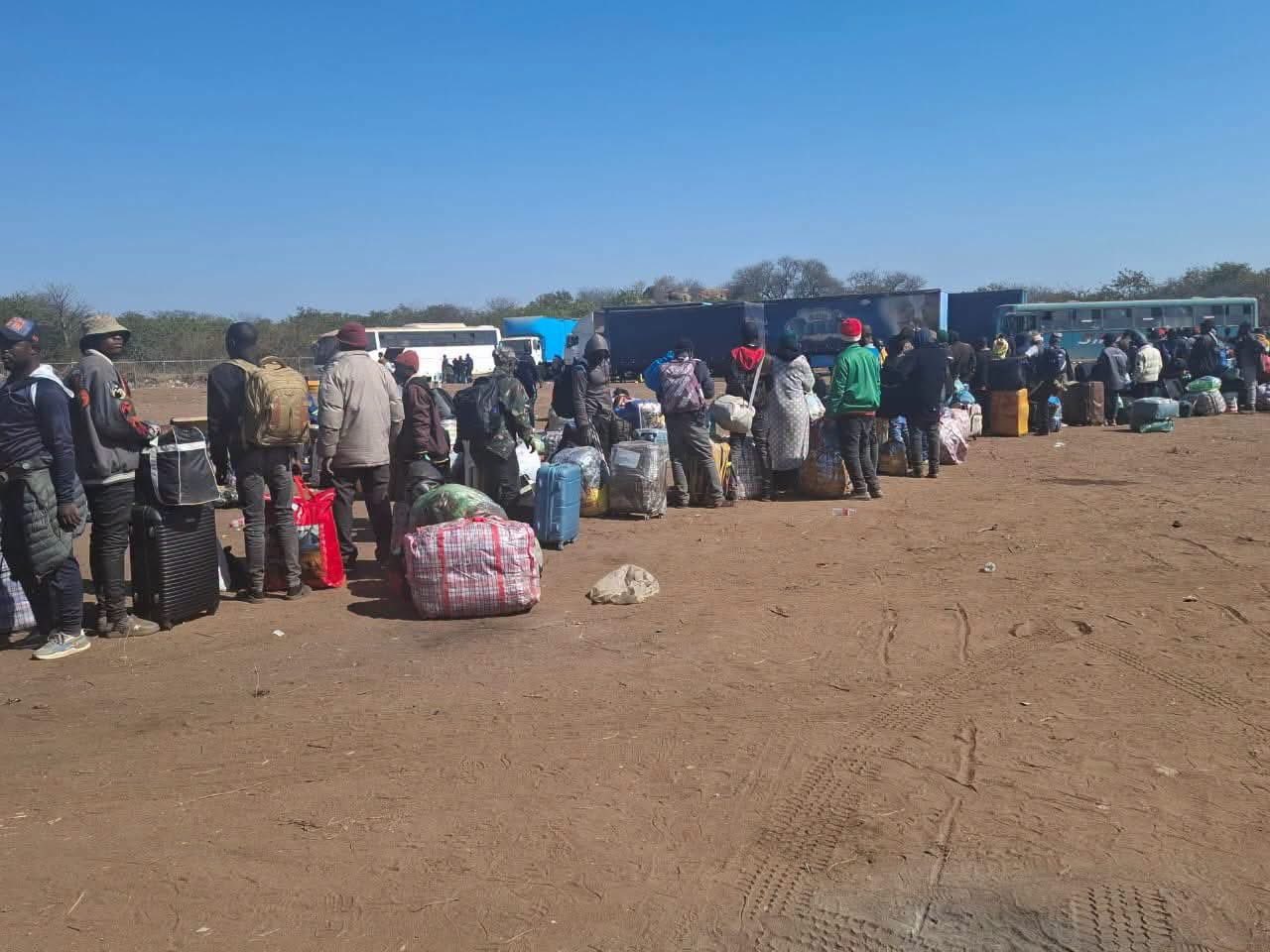
The Musina Temporary Repatriation Processing Centre will be scaled down from a capacity of 20,000 people to 1,500 from 1 August, the Justice and Constitutional Development Minister announced after the facility processed more than 68,000 foreign nationals.
Decision follows recent processing and migration assessments
Justice and Constitutional Development Minister Mmamoloko Kubayi told the Inter-Ministerial Committee on Migration that the reduction in capacity comes after an assessment of migration trends over the past three weeks and forms part of government’s Five-Point Plan on migration management, border security and law enforcement.
Kubayi said that, “Since Malawian nationals assembled at Sherwood in KwaZulu-Natal between June 14, 2026, and July 24, 2026, a total of 68,138 foreign nationals have been processed, the majority repatriated following processing at the Musina Temporary Repatriation Processing Centre.”
National repatriation and enforcement activity
The Border Management Authority has processed 72,906 repatriations through ports of entry between June 7 and July 14, involving various nationalities, including Malawian, Zimbabwean and Mozambican nationals, the committee said.
Authorities reported intensified action against migration-related crimes and recorded 354 arrests and prosecutions linked to migration law violations. An additional 69 arrests were made in Jeffreys Bay over the past weekend, and those arrested appeared in court earlier this week.
The IMC said dedicated immigration courts finalised 28,736 immigration-related cases between April and June 2026, with Gauteng accounting for almost half of those matters.
Operations, infrastructure and warnings
Kubayi told the committee that authorities had conducted 93 joint border operations since April targeting illicit goods trafficking, human trafficking and drug syndicates.
Government said it is preparing to launch major border infrastructure projects and to modernise six of the country’s busiest ports of entry, including Beit Bridge, Lebombo, Maseru and Kopfontein.
The IMC warned against unauthorised identity inspections of foreign nationals and businesses by people allegedly impersonating Home Affairs officials. Kubayi confirmed that seven people had been arrested in Polokwane in connection with such activities and warned those undermining law enforcement that they would face consequences.
“Government is making it clear that migration management is fundamentally a rule-of-law matter. Criminality will not be tolerated, regardless of who is involved,” Kubayi said.
Humanitarian support and rights
The committee defended the government’s humanitarian response to migrants affected by recent tensions, saying healthcare, food, water, sanitation, child protection services and support for vulnerable groups had been provided through coordinated efforts involving embassies, non-governmental organisations and international agencies.
Kubayi said South Africa remained committed to balancing border security and migration control with constitutional obligations and human rights protections, adding that the Five-Point Plan “is yielding tangible progress.”
Next steps
The IMC said it would continue providing updates as government advances what it described as a migration system that is “secure, humane, lawful and aligned with the values of our Constitution.”
Follow Joburg ETC on Facebook, Twitter, TikTok and Instagram
For more News in Johannesburg, visit joburgetc.com
Source: iol.co.za