News
Eskom marks 441 days without load shedding as utility cites improved generation and zero diesel use
Eskom reports 441 consecutive days without load shedding, zero diesel use for two weeks and highest EAF since 2017 as experts credit renewables, demand shifts and bailouts.
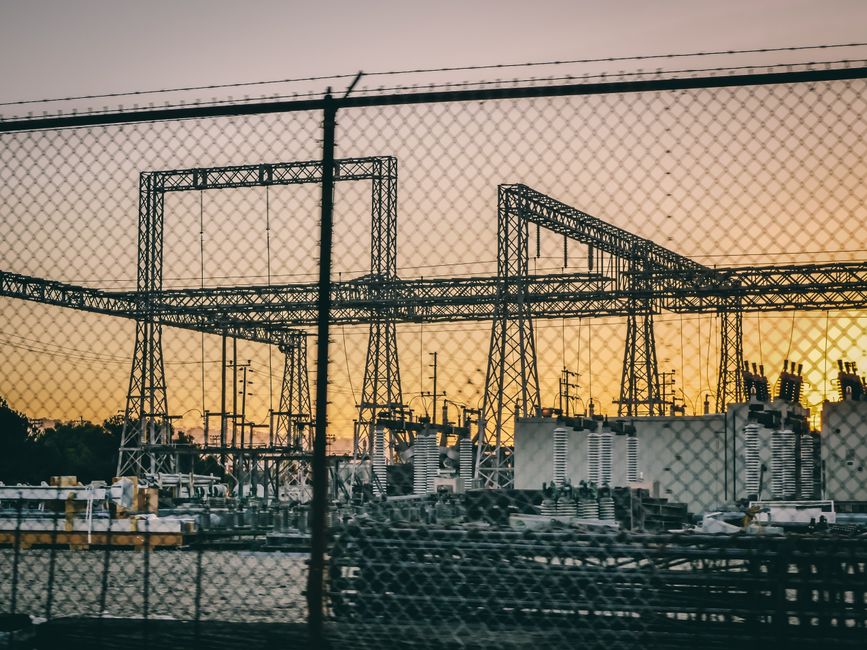
Eskom says it has reached 441 consecutive days without load shedding, recording improved generation performance, reduced diesel use and the highest daily energy availability factor (EAF) since 2017.
Key figures from Eskom
The utility said demand was met 100% of the time between April and July this year, with available capacity exceeding winter peaks. Eskom reported it did not use any diesel to support the grid between 24 and 30 July, and recorded that year-to-date diesel costs stand at R807.41 million, compared with R5.63 billion over the same period last year a reduction of 85.67%, the company said.
Eskom also recorded a daily EAF of 82.04% on 26 July, the highest since 2017, and said unplanned outages had been reduced to 4 562MW, the lowest level in eight years.
Operational recovery and targets
The utility said more than 85% of the coal fleet is operating at EAF levels between 73% and 97%. Compared to three years ago, Eskom said its EAF has improved by 11.8%, returning about 5.9GW of generating capacity to the grid.
Eskom said its load reduction eradication programme has produced tangible results: six provinces are now load reduction-free, with 1.1 million customers removed from schedules. The company said it remains on track to make a seventh province load reduction-free by October, and is targeting nationwide eradication in 2027.
What experts say
Energy expert Chris Yelland attributed part of the improvement to new generation capacity from renewable energy and increased uptake of solar PV. He said government encouragement and tax incentives helped people install solar PV, and that the private sector brought significant new generation capacity online.
Yelland also pointed to demand-side changes, saying the closure of intensive smelting industries had reduced pressure on Eskom’s generation. He added that although Eskom has improved the performance of its generation fleet, the private sector response and demand reduction created the space for maintenance.
Wayne Duvenage, CEO of Organisation Undoing Tax Abuse (Outa), said the cessation of load shedding and improvement in EAF was “largely due to about 6GW of electricity requirements being taken off Eskom’s grid and then to management impacts driven by improved generation capacity and maintenance”. He added: “Eventually, Eskom is getting to a place where they once were and out of a situation where they should never have got to in the first place.”
Funding and maintenance
Yelland noted that Treasury provided a bailout of several hundred billion rands to Eskom, which he said helped ease liquidity problems and enabled the utility to buy spares and contract personnel to perform maintenance properly, without the financial help from the taxpayer.
Utility statement on progress
In its statement, Eskom said its operational recovery is firmly on track, reporting record system performance that has reduced reliance on diesel generation and strengthened energy security nationwide.
Summary
Eskom’s figures show improved generation performance, sharply reduced diesel costs, and a rise in EAF to levels not seen since 2017. Experts cited renewable capacity, private-sector generation, demand shifts and a large Treasury bailout as contributing factors. Eskom has set targets to eliminate load reduction nationwide by 2027.
Follow Joburg ETC on Facebook, Twitter, TikTok and Instagram
For more News in Johannesburg, visit joburgetc.com
Source: citizen.co.za