Opinion
Justice was always selective Trump’s actions just made it explicit
An opinion on how recent US sanctions against ICC officials and withdrawals from global bodies reveal a selective approach to international law and institutions.
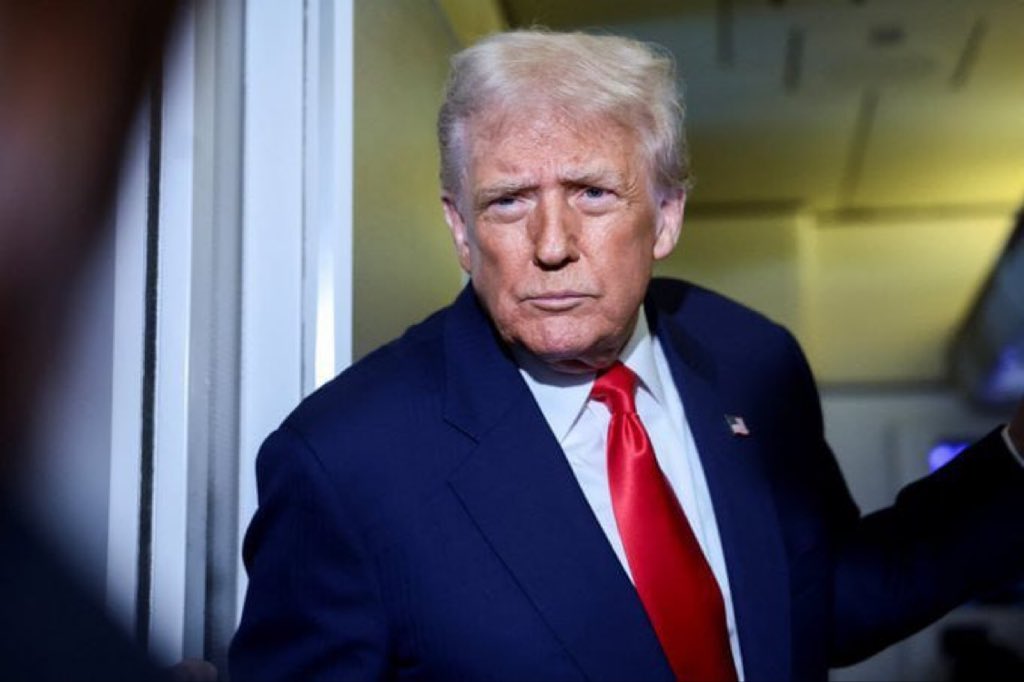
The United States has moved from quietly shaping international justice to openly punishing it. That is the argument in this opinion piece examining recent U.S. measures against the International Criminal Court and wider withdrawals from global institutions.
Sanctions on ICC officials
On Tuesday, the United States sanctioned two International Criminal Court figures: Tomoko Akane, President of the ICC, and Abdoulaye Seye, a senior trial lawyer. The sanctions bar them from entering the United States and cut them off from the American financial system.
According to the U.S. government, these officials had “participated in efforts to investigate officials from countries that had not consented to ICC jurisdiction.” The opinion argues that the phrasing treats the court’s investigations as if they required permission from the governments whose officials are accused of crimes.
From founding supporter to active opponent
The piece traces the ICC’s origins to the aftermath of twentieth‑century atrocities, noting that the court was constructed out of a conviction that some crimes are so grave the world cannot look away. It recalls that the United States once played a leading role at Nuremberg and in shaping the Rome Statute negotiations.
It then notes a reversal: when the court began operating as designed, Washington moved to oppose it.
The proximate cause: an ICC arrest warrant
The opinion ties the recent actions to an ICC arrest warrant issued for Prime Minister Benjamin Netanyahu over conduct in Gaza. It describes the warrant as the outcome of a legitimate legal process by an independent judicial body and says the U.S. response was to sanction judges rather than challenge the decision through legal channels.
Broader pattern: withdrawals and defunding
The piece places the sanctions within a wider U.S. strategy. It states that on 7 January 2026 the United States announced its withdrawal from 66 international organisations, including 31 entities within the United Nations system, and lists bodies named in the source: the UNFCCC, the IPCC, the WHO, and UNESCO.
The opinion argues each withdrawal follows a pattern: declare an institution corrupt or politicised, defund it, and dare remaining members to continue without U.S. money or participation. It cites the U.S. share of WHO funding as an example of the practical consequences of such departures.
Selective application of international law
The author contends the Trump administration’s approach is selective: international institutions are opposed not as a matter of principle but when they produce outcomes the U.S. dislikes. The piece contrasts the muted U.S. response to an ICC indictment of Vladimir Putin with the sanctions that followed the court’s attention to Netanyahu.
International reactions and consequences
The opinion records that 79 ICC member states issued a statement expressing concern, the European Union expressed support for the court’s independence, and the UN Human Rights Chief called the measures deeply corrosive of good governance. It says these responses have not changed Washington’s course.
It also notes retaliatory moves by other states: Russia has issued arrest warrants for ICC officials in response to the Putin indictment, and the author warns that powerful states are now setting precedents smaller or authoritarian governments may emulate.
What is at stake for countries like South Africa
The piece highlights South Africa’s role in negotiating the Rome Statute and observes that the country’s Constitution draws on the same international human rights law now under strain. It acknowledges the contested history between parts of Africa and the ICC but says the appropriate response to perceived flaws was reform and engagement, not sanctions and attempts to dismantle the court.
“The judge being sanctioned this week is a Japanese woman who took an oath to uphold international law and kept it. The man signing the executive order has taken an oath too. The difference is which one is honouring theirs.”
The opinion closes by asserting that the current U.S. posture including an expressed commitment to use all appropriate instruments to block ICC investigations is aimed at permanently preventing certain prosecutions, rather than reforming or engaging the court.
Follow Joburg ETC on Facebook, Twitter, TikTok and Instagram
For more News in Johannesburg, visit joburgetc.com
Source: iol.co.za