Business
Subscriptions cancelled and meals out cut but many South Africans still can’t keep up
TransUnion research: 39% expect to miss a repayment as consumers cut subscriptions, eat out less and juggle debt while household saving ratio is negative.
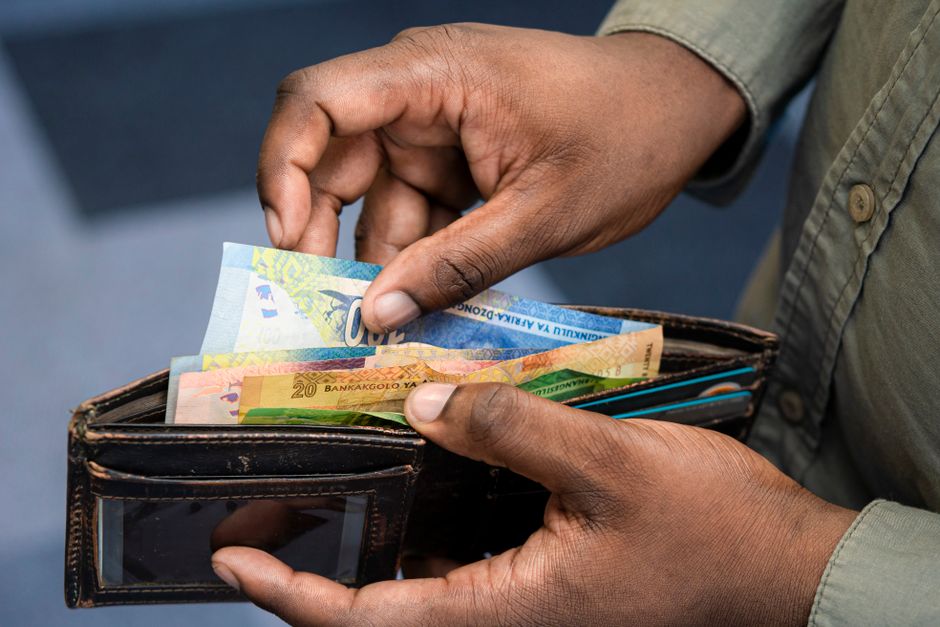
Many South Africans are trimming discretionary spending and cancelling subscriptions, yet almost four in 10 still expect to miss a bill or loan repayment, according to recent TransUnion consumer research.
Who is cutting back and how
The study found that more than half of consumers had reduced discretionary spending such as dining out, travel and entertainment over the previous three months. Twenty-eight percent had cancelled subscriptions or memberships and 25% had cut or cancelled digital services.
Worries about rising costs and income
Inflation ranked among the top three household financial concerns for 79% of respondents, while only 37% believed their income was keeping pace with rising prices. TransUnion reported that 39% of South Africans expected to miss at least one bill or loan repayment.
How people are coping
TransUnion found mixed behaviour: some households are trying to build buffers and pay down debt, while others are drawing on savings or credit to get through the month. The survey showed that almost a third of consumers were paying down debt faster, 27% had increased contributions to emergency savings or stokvels, and 20% were saving more for retirement.
At the same time, 14% had cut retirement savings, 14% were using more available credit and 13% had dipped into retirement savings.
Experts warn margins for error are shrinking
“Consumers are still managing, but the margin for error is shrinking,”
said Ayesha Hatea, director of research and consulting at TransUnion South Africa, adding that modest increases in essential costs were forcing difficult trade-offs and reflected in lower confidence and more cautious credit behaviour.
“Think of it like an emergency room, where doctors focus on the most urgent patients first. Right now, families are making sure the essentials, like housing, groceries, transport, insurance, and debt repayments, are covered before anything else,”
said Byron Geddes, a financial adviser at ASI Wealth. He called the current pattern the “financial triage effect” and warned that longer-term goals can be pushed aside, making recovery harder after a crisis or unexpected expense.
“Long-term investing remains incredibly important, but it’s difficult to stay invested if every unexpected expense forces you to dip into your investments or take on expensive debt,”
said Adrian Hope-Bailie, fintech entrepreneur and co‑founder of Fynbos Money. He recommended prioritising emergency savings to absorb surprises without derailing long-term plans.
National indicators show limited room for manoeuvre
Official Reserve Bank data cited in the reporting showed the household saving ratio was at negative 1.4% of disposable income in the first quarter of 2026, and household debt stood at 62.2% of disposable income.
Practical responses and trade-offs
Financial advisers in the story described practical steps households are taking: shopping around, planning meals, cancelling unused subscriptions, negotiating fees, repairing instead of replacing items, and focusing on paying down high‑interest debt or building small, consistent emergency savings. Experts emphasised that consistency in saving can be more important than the absolute amount saved.
Bottom line
TransUnion’s Consumer Pulse portrays a country adjusting to persistent cost pressures: many people are cutting discretionary costs and taking steps to pay down debt or save, but a sizeable share still faces the real prospect of missing payments when unexpected expenses arise.
Follow Joburg ETC on Facebook, Twitter, TikTok and Instagram
For more News in Johannesburg, visit joburgetc.com
Source: iol.co.za