Business
October fuel hikes push per-kilometre costs sharply higher for South African motorists
Official October fuel rises of more than R3 a litre will push per-kilometre and monthly fuel bills sharply higher, IOL calculations show.
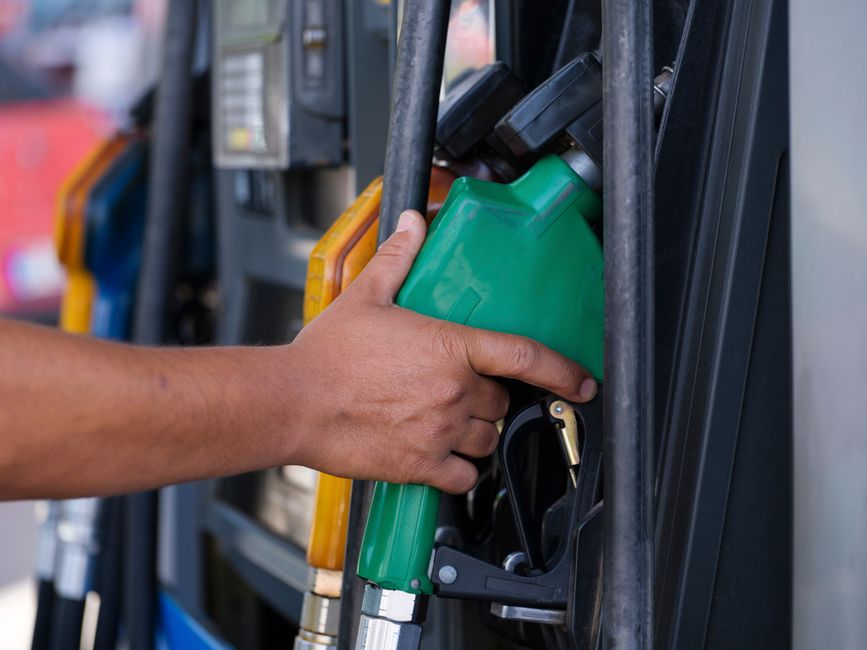
South African motorists face sharply higher driving costs after the Department of Mineral and Petroleum Resources confirmed steep October fuel price increases. The increases, announced on Monday, take effect on Wednesday, October 7.
Official price rises and retail levels
The DMPR announced that 95 Unleaded petrol will rise by R3.33 per litre and 93 Unleaded by R3.12. For diesel, 500ppm diesel increases by R2.84 and the cleaner 50ppm diesel by R3.24.
Following the hikes, motorists will pay R29.38 a litre for 95 Unleaded at the coast and R30.25 in Gauteng, while 93 Unleaded will rise to R29.00.
This is the first time ever that South Africans will be paying more than R30 for petrol.
How much more each kilometre will cost
According to IOL, fuel price rises since March have pushed per-kilometre costs much higher across vehicle types.
- Small car (5.5 l/100km): IOL’s calculations show per-kilometre fuel cost rose from around R1.07 in March (coastal prices) to R1.47 in September and to R1.62 in October.
- Compact SUV (8.0 l/100km): IOL reports a rise from R1.55 earlier in the year to R2.08 in September and to about R2.35 in October.
- Diesel bakkie (9.0 l/100km): IOL states per-kilometre cost rose from R1.83 in March to R3.09 in October, an increase of 28 cents over the previous month. IOL notes diesel calculations are based on a retail price estimate.
IOL says these calculations use coastal prices for October.
Monthly fuel-bill examples
IOL provides monthly cost illustrations based on 1,500km of driving:
- Small car (example: Suzuki Swift): R1,606 in March, R2,149 in September, and R2,424 in October.
- Compact SUV (example: Chery Tiggo, 8.0 l/100km): R2,336 in March, R3,126 in September, and R3,526 in October.
- Toyota Hilux (9.0 l/100km): R2,746 in March, R4,212 in September, and R4,637 in October.
According to IOL, driving 1,000km in a small-to-medium SUV now costs almost R800 more than it did in March, and IOL’s calculations show an entry-level car will cost over R1,000 more to fuel versus March if you travel around 2,000km per month.
Why prices remain elevated
The report links elevated oil prices to the war in the Middle East, saying it has raised fears of disruptions to global crude supplies and shipping. IOL highlights the Strait of Hormuz as an area of concern because a significant share of the world’s oil passes through the waterway and tensions can increase insurance, shipping and supply-risk costs.
What motorists should expect
With the October adjustments taking effect on October 7 and coastal and Gauteng retail prices above R29, drivers can expect higher per-kilometre and monthly fuel bills from this month. The scale of the increases is reflected in IOL’s vehicle and monthly-cost examples.
Follow Joburg ETC on Facebook, Twitter, TikTok and Instagram
For more News in Johannesburg, visit joburgetc.com
Source: iol.co.za