Opinion
Why the Flydubai incident is prompting uncomfortable questions in Israel
An opinion piece examines how the Flydubai cockpit attack was quickly folded into Benjamin Netanyahu’s election narrative, prompting scepticism across Israel’s political spectrum.
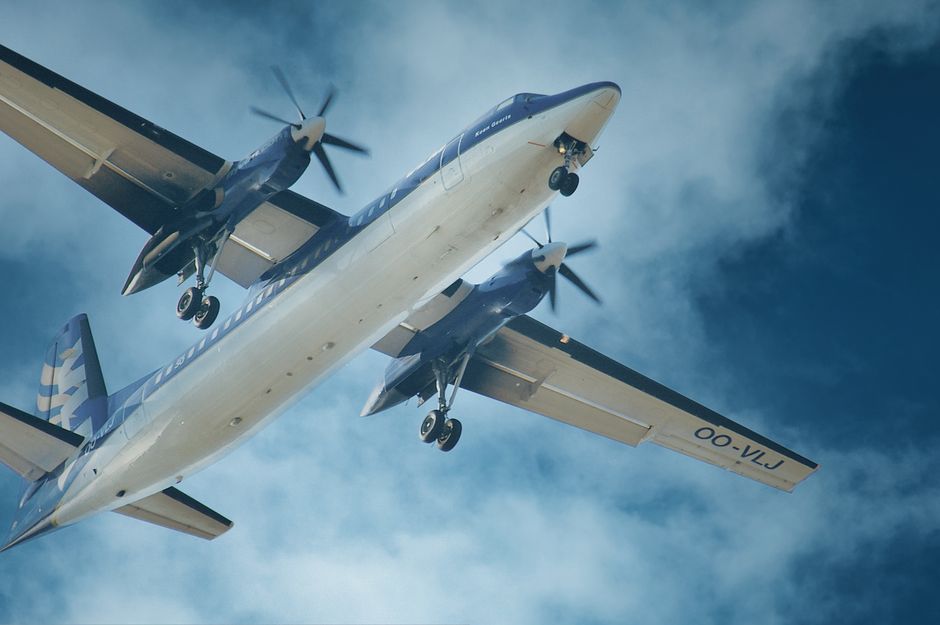
A midair attack aboard a Flydubai flight and its aftermath have become a political flashpoint in Israel, with critics questioning how the episode was framed by Prime Minister Benjamin Netanyahu during an already tense election campaign.
What happened aboard the flight
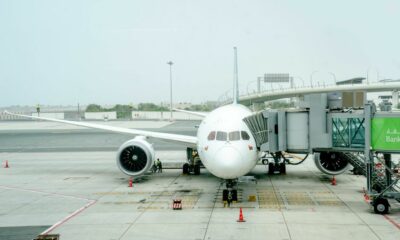
According to reporting, a co-pilot allegedly stabbed the captain and attempted to send the aircraft plunging through the Arabian desert while it was over Saudi airspace. Passengers subdued the attacker, and the wounded captain managed to force open a locked cockpit door. The plane later made an emergency landing in Tabuk with 174 people on board.
How the event entered Israel’s political debate
The episode arrived against the backdrop of an election campaign in which the prime minister had warned of possible attacks ahead of the vote. Supporters framed his earlier warning as prescient. Critics, including opposition leader Yair Lapid, said a security briefing he received from the prime minister’s office the night before the warning contained nothing resembling a plane attack.
Conflicting official narratives
Senior Israeli military officers reportedly assessed that hijacking had been ruled out and suggested the emergency squawk codes were tied to a violent personal altercation between the pilots rather than a coordinated act of terror. Saudi and Emirati state media avoided describing the incident as a terror attack. At the same time, Prime Minister Netanyahu and Defence Minister Israel Katz publicly described it as a “jihadist terrorist attack attempt” and invoked the possibility of Iranian involvement, even as other officials reportedly favoured a “lone wolf” assessment.
Why critics are uneasy
Observers who question the government’s response point to the gap between the events in the cockpit and the security narrative advanced by the prime minister’s office. They say the framing from warnings about unspecified attacks to naming jihadist and Iranian drivers of the episode warrants scrutiny, especially given differing assessments among Israeli security bodies.
Different readings of the political impact
Not all commentators agree on the electoral consequences. Some argue the incident may not deliver political benefit and could instead deepen national trauma among Israelis exhausted by two years of war and unresolved wounds from 7 October. Others note that international perceptions of the prime minister’s security claims are already changing and that episodes like this one may accelerate scepticism about the motives behind public warnings.
What remains to be resolved
Investigations continue in Riyadh, Dubai and Tel Aviv, and questions persist about what exactly happened in the cockpit and how the incident was depicted publicly. The differing accounts have left a portion of Israel’s political class and public asking why the narrative advanced by the prime minister’s office diverged from assessments reportedly held by other security bodies.
Follow Joburg ETC on Facebook, Twitter, TikTok and Instagram
For more News in Johannesburg, visit joburgetc.com
Source: iol.co.za