Business
Why South Africa has not reintroduced fuel tax relief, economists say
Economists tell IOL that reintroducing fuel tax relief would hit the fiscus hard, require borrowing or cuts, and could undermine fiscal credibility amid record fuel prices.
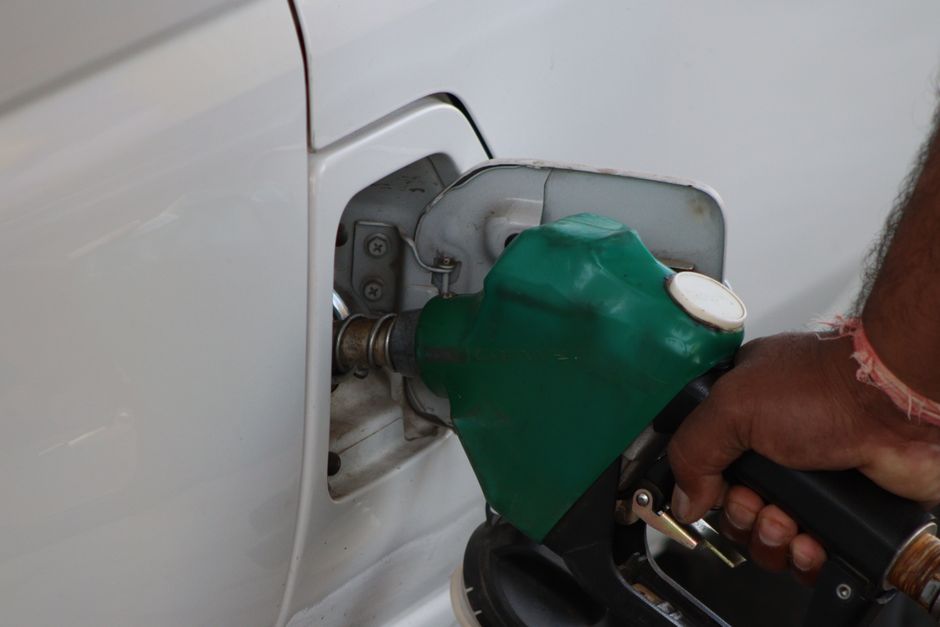
South Africa’s fuel pain returned on 7 October as petrol and diesel climbed to record levels following another round of steep increases. According to IOL, the temporary fuel tax relief that applied between April and June has not been reintroduced, leaving motorists exposed to the full tax burden.
What the relief did and why it matters
According to IOL, the earlier temporary measures reduced the General Fuel Levy by R3 a litre on petrol and, at their peak, by R3.93 a litre on diesel. With the levies back in place, additions such as the Road Accident Fund levy push the petrol tax component higher, a point that has intensified public concern as pump prices hit new highs from October 7.
Why Treasury has not repeated the relief
Observers told IOL that reintroducing the levy cuts would be expensive for the fiscus. Patrick Buthelezi, economist at Sanlam Investments, said that absorbing October’s increases again by cutting the fuel levy could cost the fiscus just over R6 billion per month. He added that countries are moving away from fiscal shields as international conflicts prolong price shocks and public finances come under strain.
“If National Treasury were to absorb the shock of October’s fuel price increases again by cutting the fuel levy, it could cost the fiscus just over R6 billion per month. However, given uncertainty about the duration of the conflict, extending fiscal measures could undermine fiscal consolidation efforts and ultimately weigh on the sovereign credit rating outlook. The Treasury does not have sufficient fiscal space,”
IOL reports that the earlier measures cost the fiscus around R17.2 billion, but that the move was fiscally neutral at the time.
The exhausted fiscal buffer
According to IOL, Deloitte Africa’s Southern Africa chief economist Hannah Marais said the relief was originally funded by stronger-than-expected tax collections and departmental underspending, but that fiscal buffer has largely been exhausted. She warned that reintroducing relief would likely need additional borrowing or spending cuts precisely when preserving fiscal credibility and sustainable public finances is important.
“Reintroducing such relief would likely require additional borrowing or spending cuts somewhere, at a time when preserving fiscal credibility and maintaining sustainable public finances remains particularly important for South Africa,”
Economic trade-offs and risks
Economists interviewed by IOL emphasised the trade-offs. Sanisha Packirisamy, group economist at Momentum, said the economic case for relief is compelling because higher fuel costs squeeze households and businesses and could keep inflation and interest rates higher for longer. But she also warned of fiscal and market consequences.
“Absorbing high fuel prices through additional government borrowing risks driving up government bond yields and weakening the rand, while cutting public spending elsewhere carries its own growth and socio-economic penalties,”
IOL also reports Packirisamy’s point that a severe economic downturn could cost the fiscus more in lost personal, corporate and VAT collections than the direct cost of a fuel levy reduction. She said targeted support for vulnerable groups may be necessary if price shocks threaten lasting structural damage, but that Treasury would need to clearly set out the revenue cost and broader economic risks of intervening.
What to watch next
According to IOL, economists warn of possible second-round effects if high fuel prices persist: rising wage demands, higher inflation expectations, and a materially weaker rand. Those dynamics could embed fuel-driven inflation in the wider economy and increase pressure on households, business margins and growth, strengthening the case for temporary and targeted support for the most affected sectors and households.
Follow Joburg ETC on Facebook, Twitter, TikTok and Instagram
For more News in Johannesburg, visit joburgetc.com
Source: iol.co.za