News
Government targets R38.1 billion in savings in South Africa
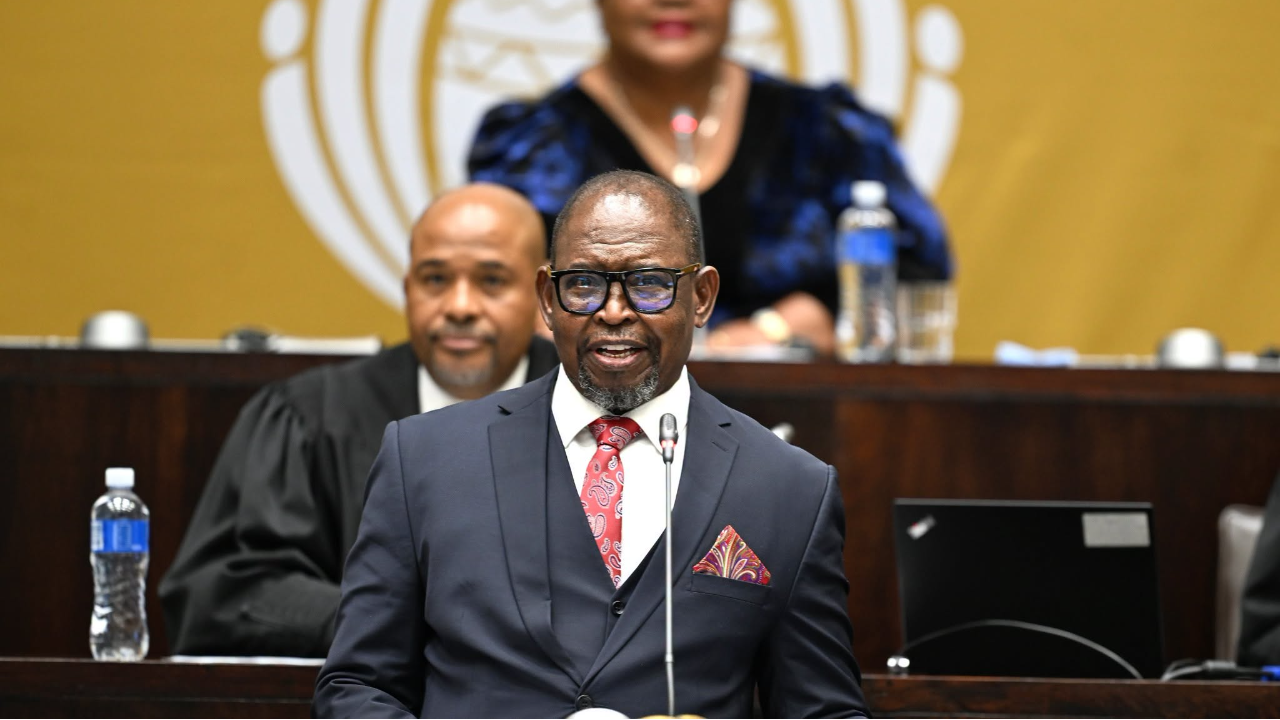
South Africa’s government is looking to save R38.1 billion over the medium term by tackling inefficiencies, reducing fraud and redirecting money away from programmes that fail to deliver results.
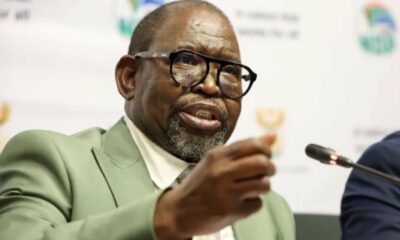
The savings form part of a broader effort to improve how public funds are spent, with Finance Minister Enoch Godongwana signalling a move away from simply allocating money to departments towards measuring what that spending actually achieves.
Announcing the measures during the Medium-Term Budget Policy Statement (MTBPS) in Parliament, Godongwana said government would phase out outdated programmes, restructure underperforming initiatives and address administrative inefficiencies.
The move comes as government faces pressure to make public money go further, particularly in areas such as housing, healthcare and social support, where communities depend on effective service delivery.
Where the R38.1 billion in savings will come from
The latest savings target builds on R12 billion identified in the 2026 Budget, with a further R38.1 billion identified for the 2027 Medium-Term Expenditure Framework (MTEF) period.
According to government, the additional savings will come from four main areas:
- R11.7 billion: Cutting low-priority programmes, reducing duplication and addressing administrative inefficiencies in national departments.
- R13 billion: Reducing fraud in social grants.
- R7.8 billion: Addressing inefficiencies and rent-seeking linked to the human settlements development grant.
- R5.5 billion: Using surplus funds held by public entities.
The human settlements allocation is particularly significant given the ongoing demand for housing. Government says inefficiencies and rent-seeking have contributed to money being spent less effectively on building homes.
The proposed changes aim to ensure that available funding translates into better outcomes rather than being lost through poor administration or programmes that fail to meet their objectives.
Healthcare and housing among the priorities
National Treasury says the quality of spending matters as much as the amount allocated.
In provincial budgets, for example, more effective remuneration policies for healthcare workers could help provinces employ additional health professionals.
The principle is straightforward: if government can reduce inefficiencies in existing budgets, more resources could become available for essential services.
Treasury says departments will be assessed against several questions, including whether their programmes support policy priorities, deliver measurable results and provide value for money.
Persistent underspending, duplication and poor performance will also come under scrutiny.
Government plans to strengthen administration and verification processes to limit fraud, redesign ineffective programmes and redirect money towards higher-priority needs.
Additional funding planned for disaster relief and public services
Despite the savings drive, government is also proposing additional expenditure in the 2026/27 financial year.
The 2026 Adjustments Appropriation Bill provides for a R10.6 billion increase in expenditure. This includes R6.2 billion for unforeseeable and unavoidable expenses, largely linked to disaster relief, and R1.9 billion carried over from the previous financial year.
A further R2.2 billion is earmarked for early-retirement and voluntary-exit packages for qualifying public servants.
The adjustments also include funding for several other priorities:
- R823 million for the South African National Defence Force to support police operations targeting gang-related crime and illegal mining.
- R516 million for the Madlanga, Khampepe and Nkabinde commissions of inquiry.
- R4.3 billion for self-financing expenditure.
Government is also proposing a Special Appropriation Bill for 2026/27, allocating R6.9 billion, mainly to the South African Revenue Service.
MyMzansi app and infrastructure projects receive attention
The adjustments budget also makes provision for the development of digital government services.
An allocation of R150 million will strengthen the technical capabilities of the digital services unit responsible for developing the MyMzansi app.
The planned platform is intended to give citizens access to government services through a single digital point of entry.
Meanwhile, government has earmarked R20 billion for infrastructure projects still being assessed by the Budget Facility for Infrastructure.
National Treasury also says R10 billion from additional revenue collected during the financial year will be placed in the contingency reserve to support the response to El Niño and manage other risks. The remaining revenue overrun will be provisionally allocated to infrastructure projects under evaluation.
Government spending to increase despite savings drive
Godongwana said additional revenue in 2026/27 would allow government to increase expenditure by R45.5 billion compared with the amount announced in February.
Be the first to know – Join our WhatsApp Channel for content worth tapping into! Click here to join!
Follow Joburg ETC on Facebook, Twitter, TikTok and Instagram
For more News in Johannesburg, visit joburgetc.com