News
Parties press Godongwana to cut fuel levies and ease cost of living ahead of MTBPS
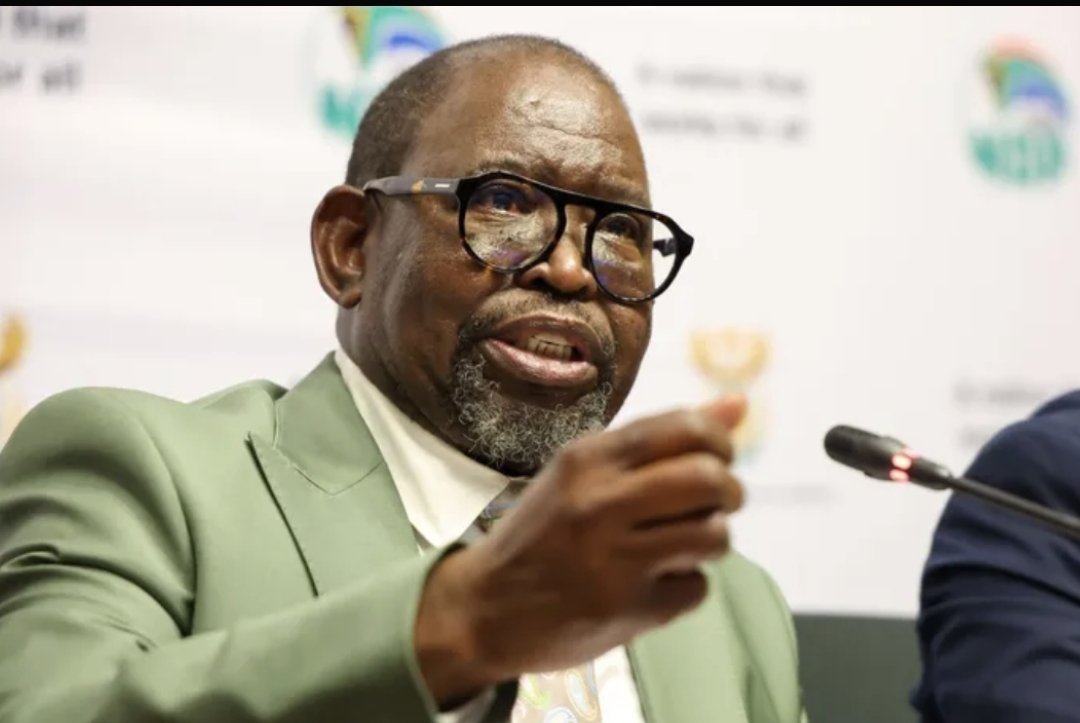
Parties press Finance Minister Enoch Godongwana ahead of the 2026 MTBPS to cut fuel levies, ease cost of living and clarify plans for income support.
What political parties are asking
Multiple parties say the state should act to ease the squeeze on households. Their demands centre on three main areas:
- Consideration of another reduction in the general fuel levy to lower pump prices.
- Changes to funding models that could, parties argue, reduce the cost of fuel at the pump.
- Clear decisions on income support, including what will replace short-term relief that is due to end.
Key claims and party positions
The pressure comes as parties point to stronger-than-expected revenue collection as potential fiscal room to provide relief. They stress that South Africans are contending with high fuel prices alongside rising food and transport costs, utilities pressures and an economy struggling to create jobs.
Rise Mzansi linked global volatility to restricted oil supplies amid what it called the United States’ war on Iran, and said a forecast tax windfall could give Treasury room to act. Rise Mzansi spokesperson Mabine Seabe was quoted directly:
“A forecast tax windfall exceeding R50bn offers short-term breathing room, but it won’t solve the structural problems”.
The Good Party has also urged a review of the levy system, arguing the general fuel levy functions as a broad tax rather than being earmarked for a specific purpose. Good Party secretary-general Brett Herron emphasised how fuel prices ripple through the economy and households:
“All South Africans, not only those who drive their own cars, are directly impacted by fuel prices, be it through paying more for food and consumer goods or public transport,”
The Democratic Alliance (DA) proposed an alternative route to immediate relief, saying reform of the Road Accident Fund’s funding model could reduce the pump price by more than R2 a litre, while noting that such a change would require adjustments to how that fund is financed.
Fiscal trade-offs and timing
Parties’ calls for temporary levies relief come with a clear fiscal trade-off. The source notes that a three-month reprieve from fuel levies would cost the state billions, a figure cited without a precise amount in the available reporting. That underlines the central tension facing Treasury: balancing immediate, visible relief for consumers with the need to fund government commitments and services.
These trade-offs are a common feature of budget choices. Reducing a tax that generates revenue lowers receipts available for scheduled spending, so policymakers must weigh short-term household benefit against longer-term fiscal sustainability and service delivery obligations.
Income support on the agenda
Income support is another focus for parties ahead of the MTBPS. The reporting states that the R370 Social Relief of Distress grant is due to end in March, and the Good Party has called for a basic income grant to replace it. Party leaders say delays in deciding on the future of that support are untenable given ongoing household pressures.
Broader context cited by parties
Parties linked current domestic pressures to international developments. The report notes turmoil in the Middle East has disrupted oil supplies, increasing fuel-price pressure locally. That global volatility is being used by some parties to justify a re-examination of levy and funding arrangements in the short term.
What to watch in Godongwana’s MTBPS
The Finance Minister’s statement will be scrutinised for a small set of specific actions and signals:
- Whether Treasury announces any immediate relief at the pump, such as a temporary adjustment to the general fuel levy.
- Any proposals for longer-term changes to tax or funding models for example, approaches affecting the Road Accident Fund or how levy revenue is used.
- Decisions or clear timelines on income-support measures, including the future of the R370 relief grant and alternatives proposed by parties.
Why this matters for households
Fuel prices are a transmission channel for wider cost-of-living pressures. As parties have noted, increases at the pump tend to feed through to transport costs, food prices and the cost of consumer goods. For many households already managing tight budgets, any change in fuel costs can be immediately felt.
Finance Minister Godongwana will face competing claims in the MTBPS debate: immediate, politically salient relief measures pushed by opposition and smaller parties, and the need to protect long-term fiscal commitments. His speech and the details that follow will be watched closely for where Treasury draws the line between those priorities.
Follow Joburg ETC on Facebook, Twitter, TikTok and Instagram
For more News in Johannesburg, visit joburgetc.com
Source: iol.co.za