News
Lamola urges deeper South Africa–Uganda cooperation as Africa faces global pressures
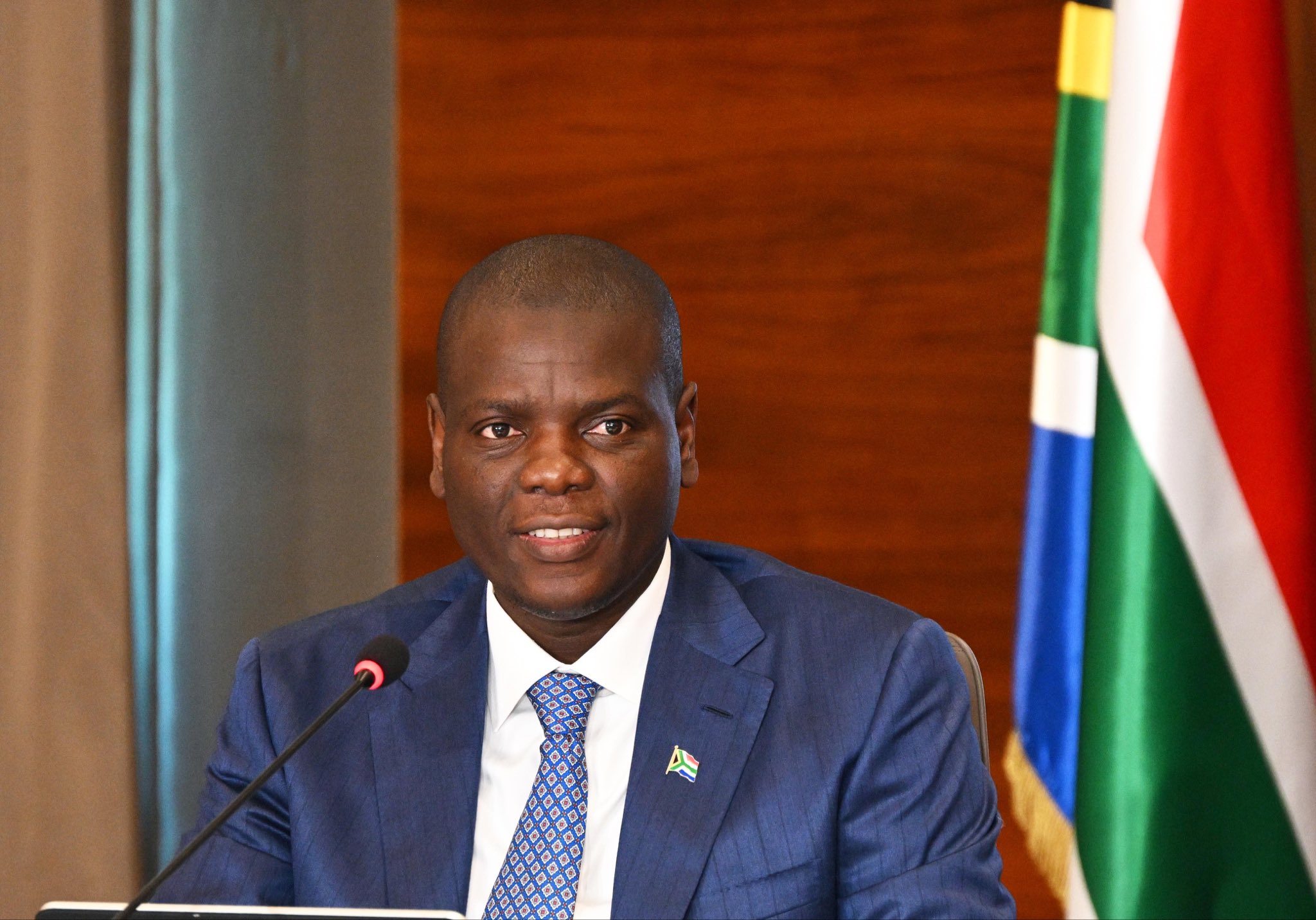
International Relations Minister Ronald Lamola called for deeper South Africa–Uganda cooperation at the third JCC in Pretoria, stressing unity amid global instability.
Shared history and a practical agenda
Lamola described relations between South Africa and Uganda as rooted in historical solidarity and a shared development vision. He paid tribute to Uganda’s support for South African liberation activists during the anti-apartheid struggle and offered congratulations to President Yoweri Museveni on beginning his new term after Uganda’s 2026 elections.
The minister said the Joint Commission for Cooperation (JCC) provides a forum to advance collaboration across political, economic, security and social sectors, and he urged that the commission’s success be measured by tangible follow-through rather than rhetoric.
What the JCC aims to achieve
Lamola emphasised that the JCC should translate agreements into outcomes, including stronger trade and investment, improved connectivity, closer institutional cooperation, and easier movement of people. He said practical measures are needed to lower barriers to business and to make it simpler for companies from both countries to invest and operate in each other’s markets.
Discussions at the session focused on expanding economic cooperation across multiple sectors. Lamola highlighted the potential to grow trade and investment in areas such as:
- mining
- energy
- agriculture
- manufacturing
- infrastructure
- telecommunications
- tourism
He noted the presence of major South African companies already operating in Uganda, while also acknowledging that the bilateral economic relationship has not yet reached its full potential.
Responding to a challenging global backdrop
Against rising geopolitical tensions, ongoing wars and economic uncertainty, Lamola called on African nations to coordinate more effectively and to project a united stance in international forums. He argued that these pressures make adherence to multilateralism and international law, and improved African representation, more important than ever.
“South Africa believes that these challenges reinforce the importance of effective multilateralism, respect for the United Nations Charter and international law, and a stronger voice for Africa in global decision-making.”
He reiterated South Africa’s position that the continent remains underrepresented in global governance bodies and said this underrepresentation must be addressed because decisions made by such institutions have profound consequences for Africa.
Calls for African-led solutions to regional conflicts
Lamola highlighted specific regional conflicts as matters of concern and urged African responses led by regional actors. He mentioned conflict situations in Sudan, the eastern Democratic Republic of Congo and Somalia, stressing that collective action is needed to halt violence.
“Our collective objective must be to silence the guns across Africa in our lifetime. This requires sustained political will, effective regional cooperation and a commitment to addressing the underlying causes of conflict.”
This appeal underscored a broader diplomatic stance favouring regional ownership of conflict resolution and long-term political solutions.
International humanitarian concerns and Palestine
Turning to crises beyond Africa, Lamola said developments in Palestine and the wider Middle East remain a matter of serious concern for South Africa. He called for international action that places the protection of civilians, unobstructed humanitarian assistance and respect for international law at the centre of any response.
“International efforts must keep the protection of civilians, unhindered humanitarian assistance, and respect for international law central.”
He reaffirmed South Africa’s support for a just and lasting resolution to the Palestinian question, including the realisation of the Palestinian people’s right to self-determination and a two-state solution.
Practical steps urged for trade and investment
On economic diplomacy, Lamola encouraged deeper efforts to remove regulatory obstacles, improve trade facilitation and strengthen the mobility of businesspeople between South Africa and Uganda. He said these measures would help both countries take greater advantage of existing opportunities and protect Africa’s development priorities from being sidelined by competing geopolitical interests.
Lamola also linked the need for reform in global governance to securing fairer access to development finance, climate finance, technology and international markets a connection he presented as central to achieving sustainable development outcomes for African countries.
Implementation over promises
Throughout his address, Lamola returned to the theme that commitments must be followed by action. He said the ultimate test of the JCC will be whether its deliberations produce measurable gains in trade, connectivity, institutional collaboration and regional cooperation.
“The success of this JCC should ultimately be judged by what follows after today: stronger trade and investment, improved connectivity, closer institutional cooperation, greater movement of people, stronger regional cooperation and closer coordination on matters of common interest.”
Why the Pretoria meeting matters
For citizens and businesses, a functional and action-oriented JCC can mean simpler cross-border trade, clearer investment pathways and better coordination on security concerns. For diplomats and policymakers, it is a mechanism to align national plans, prioritise projects with immediate impact and agree on follow-up steps that make cooperation sustainable.
Lamola expressed confidence that discussions at the ministerial session would yield meaningful results that deepen ties between South Africa and Uganda. The emphasis throughout was on turning shared history and political solidarity into concrete benefits economic, social and security-related for both countries.
Follow Joburg ETC on Facebook, Twitter, TikTok and Instagram
For more News in Johannesburg, visit joburgetc.com
Source: citizen.co.za