News
Tshwane sends extra water tankers after 408 fall ill from contaminated supply
Tshwane deploys an extra water tanker as tests link contaminated treatment-works water to 408 gastrointestinal cases; authorities ramp up tankers, testing and investigations.
What investigators found
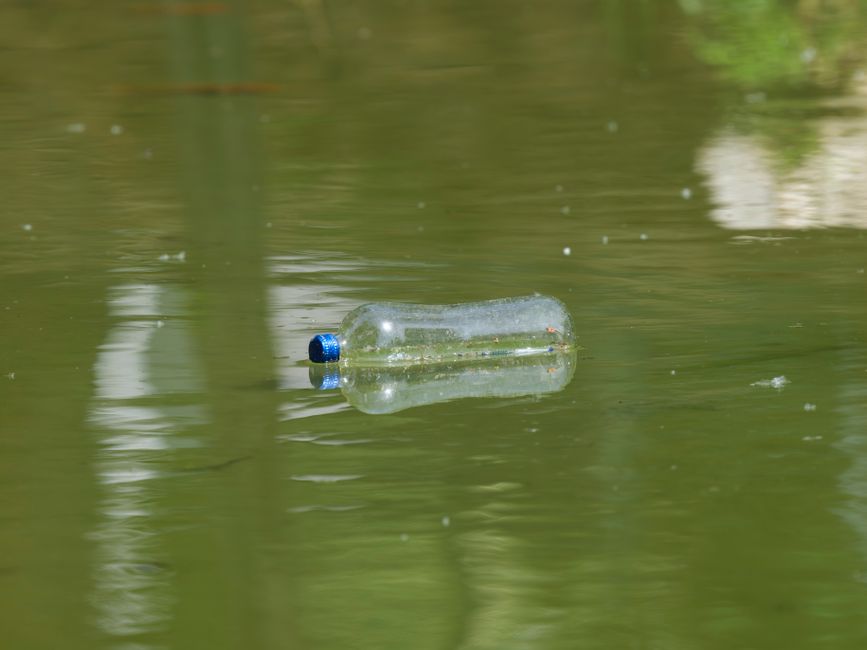
Laboratory and water-quality testing linked the outbreak to contaminated water from the local treatment works. The National Institute for Communicable Diseases (NICD) analysed stool samples and detected norovirus, Campylobacter and Shigella in three of four samples submitted. No cholera bacteria were found.
“The fact that mixed pathogens were found in the samples and the rapid spread point to a common water supply being the likely source of illness,” the statement said.
Separate tests by the Department of Water and Sanitation (DWS) on October 14 found extremely high levels of E. coli and total coliforms in water from the treatment works and from the Ekandustria and Zithobeni reservoirs. Authorities said further tests are under way to identify other contaminants.
How the contamination occurred, according to investigators
The DWS investigation identified a chain of problems that left water from the plant unchlorinated: a disruption to the city’s chlorine supplier meant the treatment works supplied water without chlorination between September 24 and October 14. Investigators also reported mechanical failures at the plant, including problems with pumps, sand filters and other equipment.
Authorities noted the treatment works draws from the Bronkhorstspruit River, which investigators said is polluted by sewage from dysfunctional wastewater treatment works in Victor Khanye Municipality and by malfunctioning sewage pump stations operated by the city. Those pollution sources were cited as factors that worsened water quality entering the plant.
Emergency measures and public-health advice
City officials instructed residents linked to the affected system to not use the water for drinking, cooking, bathing or other household purposes, even after boiling. The water may be used only for flushing toilets until further notice, officials said.
Tshwane Mayor Dr Nasiphi Moya said the city had expanded alternative water supplies and stepped up technical and awareness efforts. As of the briefing, 35 water tankers were operating across affected communities, made up of seven municipal vehicles and 28 service-provider vehicles, and an additional tanker was expected on Wednesday, bringing the total to 36.
“As of today, 35 water tankers are operating across affected communities, comprising seven municipal vehicles and 28 service-provider vehicles,” she said.
The mayor said safe drinking water is being supplied from the Cullinan Water Treatment Works. Filling points and tankers are being tested regularly, cleaning and disinfection measures are under way, and dedicated deliveries are being made to critical institutions including healthcare facilities and schools.
City teams have been conducting door-to-door awareness campaigns and coordinating with ward councillors and committees to organise tanker distribution and inform residents where to access safe water.
Repair, testing and monitoring
Officials reported that sufficient chlorine was now available to clean the plant and meet ongoing treatment requirements, but added that additional technical work and testing are required before the facility can resume supplying water for consumption.
Rand Water technical teams are undertaking maintenance and assessing the interventions needed to restore the plant to required standards. Flushing and disinfection of the affected distribution network have begun, supported by daily water-quality monitoring carried out by the city, the DWS and the Water Research Commission. Authorities warned the work may require temporary shutdowns to install equipment; residents will be notified of any changes affecting supply. Rand Water has also restricted access to authorised personnel to allow urgent work to proceed safely.
Accountability and legal responses
Mayor Moya said the city will investigate the chlorine supply interruption, why the failure was not escalated appropriately, and why residents were not warned in time. The city’s chief operations officer has been tasked to review procurement, operational and management processes and to recommend corrective action.
“Where negligence or misconduct is identified, the city will act decisively in accordance with the applicable disciplinary processes,” she said.
Moya accepted political responsibility for the city’s response and said administrative accountability was also necessary to protect residents’ health and safety.
Opposition figures and parties have taken legal or oversight steps. A former mayor and Democratic Alliance mayoral candidate opened a criminal case at the Bronkhorstspruit Police Station seeking an investigation into alleged city failures. The Economic Freedom Fighters treasurer-general also opened a case at the same police station against the mayor and the city manager over the alleged failure to address chlorine-related problems. The Freedom Front Plus lodged a complaint with the Public Protector and a separate complaint with environmental management inspectors the Green Scorpions citing alleged maladministration, inadequate oversight and failures to communicate critical information, and pointing to sewage pollution in the Bronkhorstspruit River as a contributing factor.
What this means for residents
The immediate priority for authorities is to ensure safe alternative water supplies and to prevent further illness while technical repairs and thorough water-quality testing continue. Residents in affected areas are being directed to use supplied safe water for drinking and food preparation and to reserve water from the affected system only for flushing toilets until officials confirm the treatment works is once again producing safe, chlorinated drinking water.
Further laboratory results and water-quality testing are expected to guide the next steps in restoring the system and in determining any additional public-health measures required to protect the affected communities.
Follow Joburg ETC on Facebook, Twitter, TikTok and Instagram
For more News in Johannesburg, visit joburgetc.com
Source: iol.co.za