Health
Lead poisoning prevention: How Gauteng families can protect children and pregnant women
Gauteng Health urges families and pregnant women to reduce lead exposure during International Lead Poisoning Prevention Week. Practical tips and testing updates.
Why lead is a particular concern for children and pregnant women
The department noted that lead can enter the body through contaminated dust, paint and toys. In a public statement it said:
“Lead is a toxic substance that can cause serious health problems when it enters the body.”
The department warned that young children face the greatest risk. In its statement it said:
“Children are particularly vulnerable because lead exposure can affect brain development, learning abilities, and overall growth.”
The department also pointed out that the effects of lead exposure may not show immediately, underlining why early identification and assessment matter for families and pregnant women.
What the Gauteng Health Department is doing now
To find and address potential sources of contamination, the department said it tests toys and paint, with a particular focus on Early Childhood Development centres. It has also moved to increase laboratory capacity, telling the public that it is procuring two lead-testing machines to strengthen its testing ability.
Beyond testing, health officials follow up on exposure reports. The department explained that:
“The department also investigates reported or suspected lead exposure incidents, identifies possible sources of contamination, and recommends appropriate measures to reduce or eliminate exposure.”
As a point of reassurance, the department stated that no lead poisoning cases have been reported in the province over the past two years.
Practical steps families and pregnant women can take at home
The department urged anyone who suspects that they or their children were exposed to lead to visit the nearest clinic or community health centre for assessment. Beyond seeking assessment, it offered specific advice for reducing exposure in everyday settings.
Key household measures recommended by the department include:
- Keep living areas clean and take steps to minimise exposure to dust that may contain lead.
- Avoid giving children toys that are suspected of containing lead; remove or isolate such items from play areas.
- Keep children away from surfaces with peeling, flaking or chipped paint.
These steps reflect the department’s emphasis on reducing points of contact with potential sources of lead when prevention is possible.
Practical cleaning and everyday habits (general guidance)
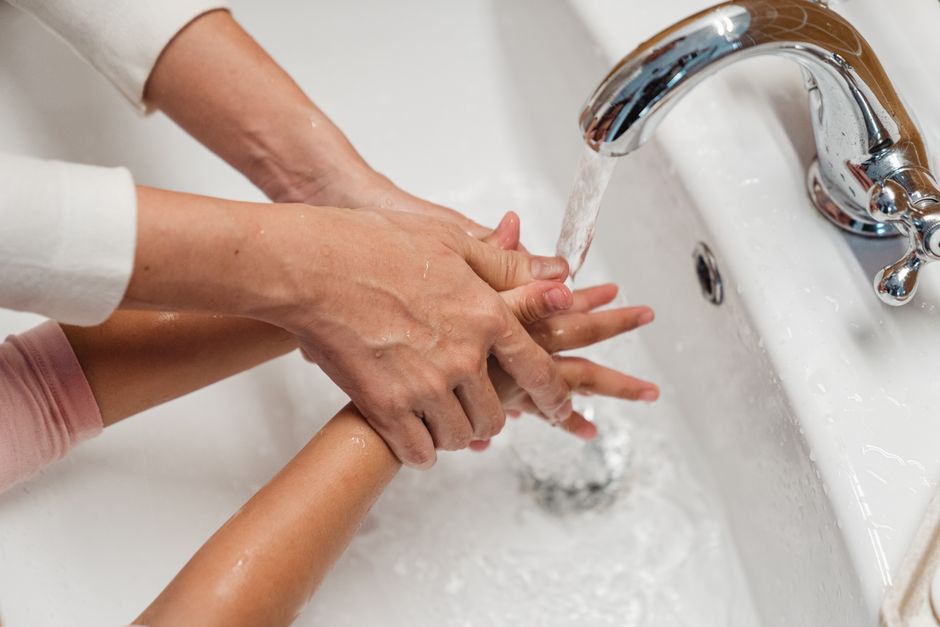
As a general, non-specific reminder, routine cleaning that reduces household dust, supervising children so they do not mouth non-food objects, and prioritising handwashing before meals and after play are sensible measures to lower everyday exposure to environmental contaminants. These are general prevention approaches commonly recommended by public-health authorities to limit contact with contaminated dust and surfaces.
Advice for workers who handle lead-containing materials
The department gave detailed advice for employees whose work involves lead-containing materials. In its guidance it said:
“Workers who handle lead-containing materials should follow occupational health and safety procedures, change out of contaminated clothing and footwear before entering their homes, and wash thoroughly to prevent bringing lead dust into their living environments.”
Following this advice helps prevent the transfer of workplace contaminants into family living spaces.
Reporting, testing and follow-up
The department urged residents to report suspected sources of contamination so Environmental Health Services can investigate. Where exposure is suspected, the immediate step is assessment at a clinic or community health centre so officials can determine whether further testing, follow-up or remediation is needed.
According to the department, testing work currently focuses on toys and paint and will be supported by the two new lead-testing machines it is procuring. Officials also said they will investigate reported incidents to identify contamination sources and recommend measures to reduce or eliminate exposure.
When to seek help
If you suspect exposure for yourself, a child, or someone who is pregnant, the department’s clear instruction is to visit the nearest clinic or community health centre for assessment. Early assessment is important because the health effects of lead exposure may not show immediately, even when harm is occurring.
What this means for Gauteng families
The department’s statements during International Lead Poisoning Prevention Week combine immediate, practical household advice with public-health actions such as targeted testing, incident investigation and capacity strengthening. For families and pregnant women, the most actionable steps are to reduce household dust, avoid contact with peeling paint and suspect toys, and to seek health assessment promptly if exposure is suspected.
Reporting suspected contamination to Environmental Health Services ensures departmental follow-up and helps protect others by identifying and addressing possible sources in community settings such as Early Childhood Development centres.
Gauteng residents with concerns about lead exposure can follow the department’s guidance, seek assessment at local clinics or community health centres, and report suspected contamination so investigators can take appropriate action.
Follow Joburg ETC on Facebook, Twitter, TikTok and Instagram
For more News in Johannesburg, visit joburgetc.com
Source: citizen.co.za